

Habit 1: Overloading Messages with Slang, Abbreviations, and Emojis

In today’s workplaces, over 80% of professionals rely on messaging apps or texts for daily work tasks. Yet, packing your messages with slang, abbreviations, or a barrage of emojis often signals a lack of seriousness. Managers in a 2024 survey preferred clear, concise texts with proper punctuation by more than 60%. This casual style can make you seem less competent, especially in hybrid or remote setups where tone gets lost. I’ve noticed how a simple “thx” or thumbs-up spam turns a quick update into something flippant. Recipients might question your attention to detail right away. Clear words build trust faster than shortcuts ever could.
Research highlights that excessive abbreviations make messages appear unprofessional in professional settings. Nearly 70% of employees struggle to read tone in texts compared to in-person talks. Emojis work in relaxed teams, but overuse screams immaturity in formal chains. One client shared how their emoji-heavy replies cost them a promotion pitch. Stick to words that match the context. Professionalism shines through restraint. Your career hinges on these small perceptions more than you think.
Habit 2: Using All Caps or Skipping Punctuation Altogether

All caps in texts comes off as shouting, no matter your intent. It ramps up tension in work chats where calm heads prevail. Studies rank poor communication, like sloppy punctuation, among top causes of misunderstandings at work. A 2024 survey showed managers favor properly punctuated messages overwhelmingly. Dropping commas or periods muddles your point fast. I’ve advised execs who fixed this habit and saw replies warm up instantly. Reliability starts with readable texts. Peers judge your polish by these basics every day.
Without punctuation, even smart ideas look rushed or careless. Over 80% daily texters notice these slips in colleagues. Tone misreads skyrocket without clear structure. One-word bursts without marks feel abrupt too. Remote work demands this precision now more than ever. Train yourself to pause and edit. Credibility builds sentence by sentence. Skip this, and opportunities slip through un punctuated cracks.
Habit 3: Delaying Replies or Sending Curt One-Word Responses
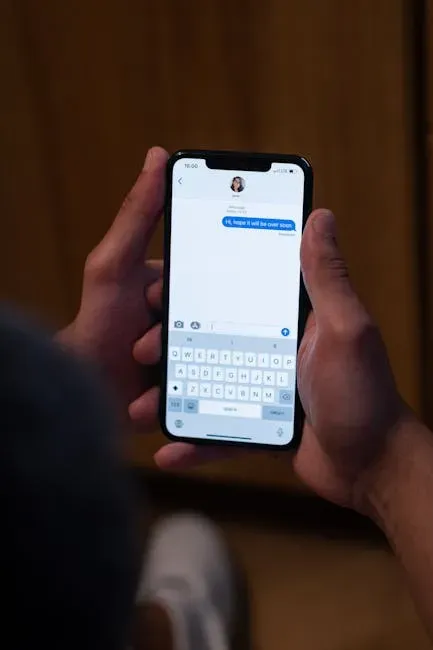
Long delays in work texts paint you as disengaged or unreliable. Employees who lag on replies often get tagged as less committed. Short, one-word answers like “yes” or “ok” read as dismissive, even if you’re swamped. Clear digital skills rank as core competencies in modern offices. A quick, thoughtful reply shows you’re on top of things. I’ve seen slow responders miss key assignments because bosses moved on. Timely engagement keeps you in the loop. Perception drives promotions here.
Nearly 70% admit texts confuse tone more than talks do. Curt replies amplify that risk big time. Response speed matters in fast-paced teams. Hybrid setups expect near-instant accountability. Flesh out your answers with context when possible. This habit shift turned around one team’s dynamic overnight. Stay responsive without overdoing it. Your career trajectory thanks you for it.
Mastering these texting tweaks polishes your professional edge in a message-driven world. Small changes yield big gains in how bosses and peers see you. Stay mindful, and watch doors open wider.