
The Birth of Inbox Zero Pressure

Professionals everywhere chase that empty inbox feeling, a habit that started as a simple productivity trick but turned into a daily grind. Many aim to clear every message before logging off, convinced it signals control over their workload. This obsession pushes people to sift through hundreds of emails, often late into the evening. The average worker glances at their inbox over 70 times each day, turning what should be quick checks into endless interruptions. Focus shatters with every ping, making deep work nearly impossible. Stress builds as the pile grows, feeding a cycle of compulsion rather than relief. Workplace culture celebrates this as dedication, yet it rarely lightens the actual load.
Guilt creeps in when the inbox lingers past business hours, especially on weekends. People feel they owe instant replies to stay ahead, even without urgent demands. This mindset stems from years of glorifying constant availability. Remote setups make it worse, with phones always nearby. Boundaries fade as work bleeds into personal time. The result shows up in higher anxiety levels and poorer sleep. Simple habits like batching responses during set times could help, but the pull to zero proves stronger for most.
Daily Email Checks That Drain Focus
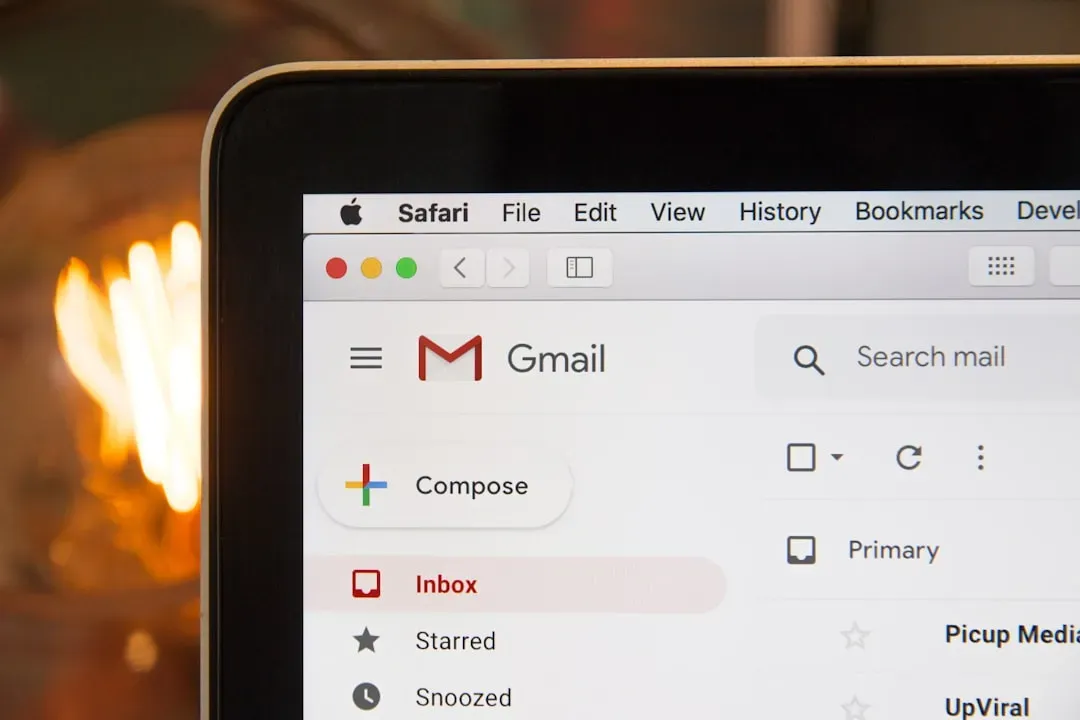
Workers hit their email over 70 times daily, a stat that reveals how fragmented our attention has become. Each check pulls us from tasks, costing precious minutes to refocus. Mornings start with inbox dives, setting a reactive tone for the day. Notifications buzz relentlessly, demanding immediate action. This pattern repeats through lunch and afternoons, chipping away at productivity. Compulsive peeking turns hours into a blur of skimming and replying. Few realize how these micro-interruptions stack up to lost hours weekly.
The guilt hits hardest when weekends arrive with unread messages waiting. Professionals sense they’re falling behind if they don’t tackle them right away. This stems from a fear of Monday overloads. Yet constant checking rarely prevents that pile-up. It just extends work into rest periods. Smarter approaches involve designated check times, like twice daily. Such limits preserve mental energy for real priorities. Over time, this builds resilience against the always-on urge.
Weekend Pressure From All Sides

More than 60 percent of employees in a 2023 study felt compelled to answer emails outside regular hours, weekends included. Bosses send casual notes on Saturdays, expecting quick acknowledgments. Team chats light up with non-urgent queries, pulling people back in. Social expectations amplify this, as silence feels like neglect. Remote workers face it most, with home offices blurring off-switches. The guilt festers, turning leisure into lurking dread. Many justify it as staying competitive in busy fields.
This after-hours tug wears down even the most disciplined. Burnout rises among those who cave regularly, with emotional exhaustion following close. Weekends lose their recharge power under email weight. Practical steps start with auto-replies stating Monday responses. Sharing availability calendars helps teams respect limits. Companies pushing 24/7 access overlook long-term costs. Healthier cultures prioritize recharge, proving boundaries boost output.
Burnout Fueled by Off-Hours Habits

Frequent email checks during free time link directly to higher burnout rates, leaving workers drained and detached. Emotional exhaustion builds from never fully unplugging. Sleep suffers as late-night scrolls replay work worries. Anxiety spikes with every unanswered thread. A 2023 workplace analysis highlighted this pattern clearly. Those glued to inboxes off-clock report the worst symptoms. Recovery time vanishes, perpetuating fatigue cycles.
Guilt for ignoring weekend emails keeps the loop spinning. Professionals worry about seeming unresponsive or lazy. Yet data shows rest improves performance far more than perpetual availability. Setting firm no-check zones, like phone-free evenings, counters this. Communicating expectations upfront eases peer pressure. Leaders modeling disconnection inspire teams to follow. Over time, these shifts yield better balance and sharper focus.
Remote Work’s Boundary Blur
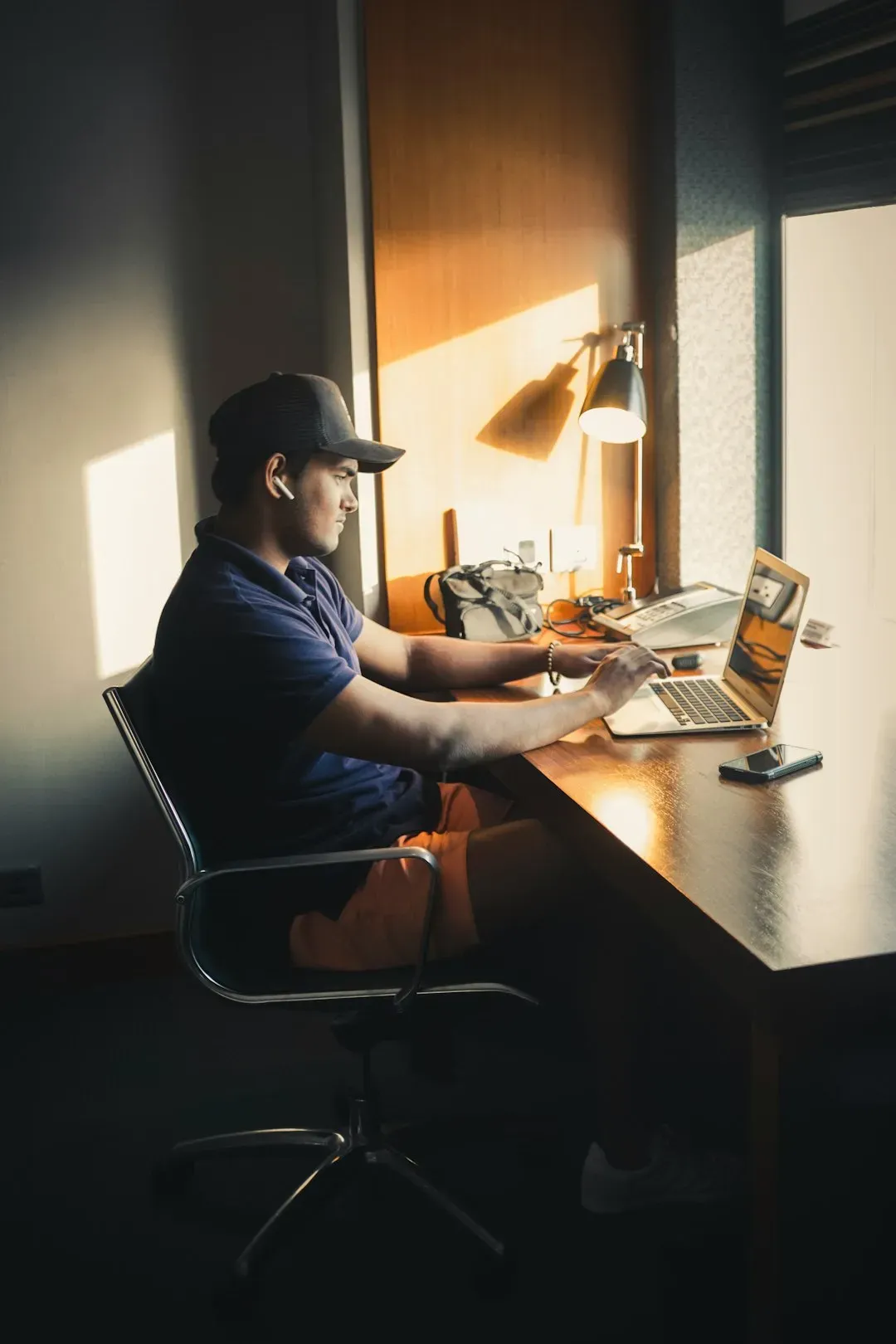
Hybrid and remote shifts have left many feeling always on, with email as the main culprit. Home setups mean work tools sit steps away, tempting constant access. Weekends blend into workweeks without office cues to stop. Digital tools promised flexibility but delivered round-the-clock demands. Over 60 percent feel this after-hours pull strongly. The guilt intensifies when family time competes with inbox alerts. Clear physical separations, like dedicated workspaces, help some reclaim control.
Psychological triggers make disconnection tough in this environment. Dopamine from replies reinforces the habit loop. Delayed responses get labeled unprofessional, even casually. Right to disconnect laws in some places push back against this. Workers benefit most by defining end-of-day rituals, like closing apps. Sharing no-weekend-email norms with teams normalizes it. These practices restore weekends as true breaks, enhancing overall well-being.
Dopamine Hits From Email Pings
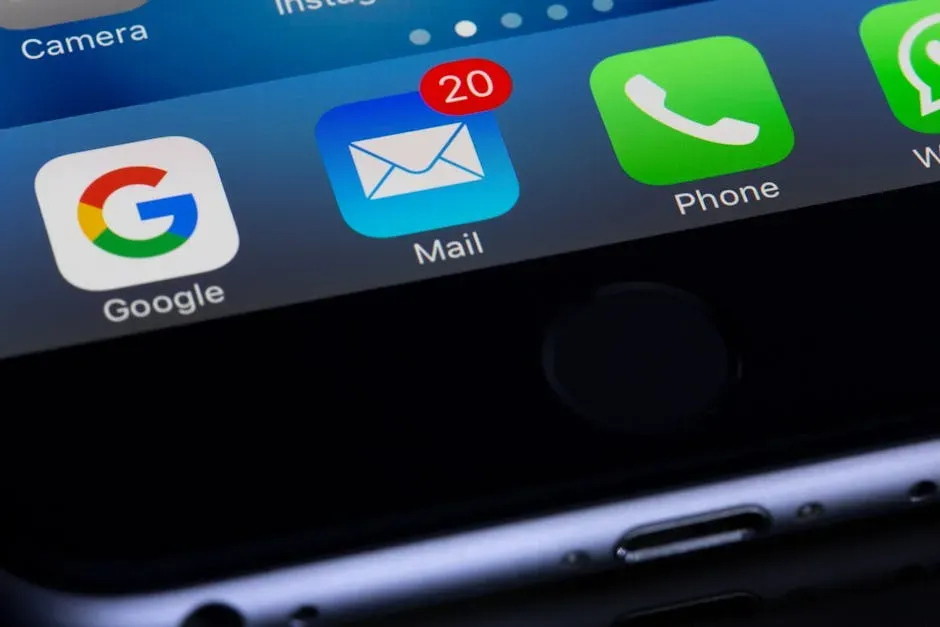
Notifications light up brain reward centers, much like social media likes, driving compulsive checks. Each buzz promises quick wins from replies, hooking users deeper. This explains the 70-plus daily peeks for many pros. Weekends amplify the pull, as idle time invites mindless scrolling. Guilt follows ignored alerts, feeling like missed opportunities. The cycle boosts anxiety over time, not productivity. Awareness of this trigger is the first step to breaking free.
Overcoming it involves muting non-essentials during off-hours. Batch processing emails in short windows curbs the urge. Tools for focus modes block distractions effectively. Studies tie this excess to sleep issues and mental strain. Setting phone screens to grayscale dulls the appeal. Practical boundaries like these let dopamine serve work, not sabotage rest. Healthier patterns emerge, reducing weekend guilt naturally.
The Unprofessional Label on Delays

Delayed replies often read as slacking, despite no rules mandating speed. Culture equates silence with disinterest, pressuring constant responsiveness. Weekend gaps feel risky, inviting assumptions of unreliability. This perception persists even in low-stakes exchanges. Pros check obsessively to avoid it, fueling inbox zero chases. The 2023 data on after-hours stress underscores this dynamic. Clear communication about response times counters misunderstandings best.
Shifting norms takes team buy-in and leader example. Auto-messages set realistic expectations upfront. Prioritizing urgent flags over volume eases the load. Those enforcing boundaries report stronger respect long-term. Burnout drops as guilt fades. Right to disconnect policies gain traction for good reason. Embracing measured availability proves more professional than frantic always-on vibes.
Building Healthier Email Boundaries

Workers setting no-weekend replies enjoy sharper work-life balance and less mental fatigue. Start with auto-replies noting next availability. Designate check windows, like mornings only on Mondays. Mute notifications outside hours to kill temptations. Share calendars highlighting off-time clearly. These steps reduce the 60 percent after-hours pressure many face. Track progress weekly to build confidence. Teams adopting this thrive with renewed energy.
Psychological wins come from consistent practice, quieting guilt voices. Dopamine retrains toward real rewards like hobbies. Sleep and focus improve noticeably. Companies with disconnect rules see retention rise. Personal experiments reveal what fits your rhythm. Leaders encouraging this foster loyal, productive groups. Weekends reclaim their role as reset buttons, making Mondays less daunting.