
Fresh Deliveries Hit Late in the Week
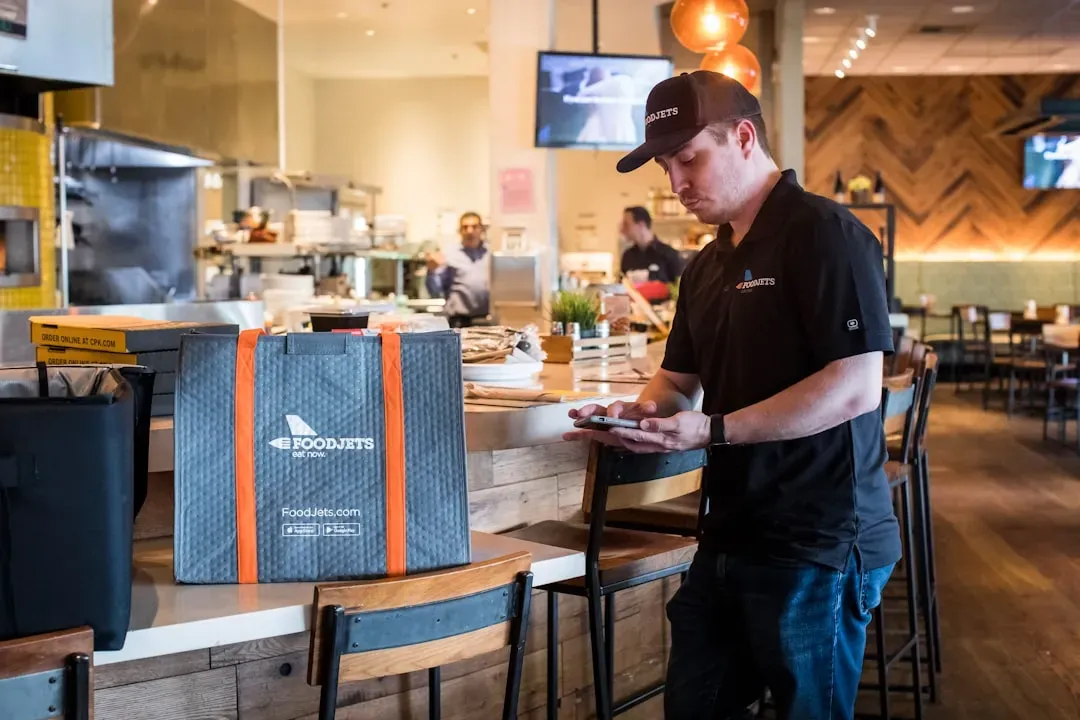
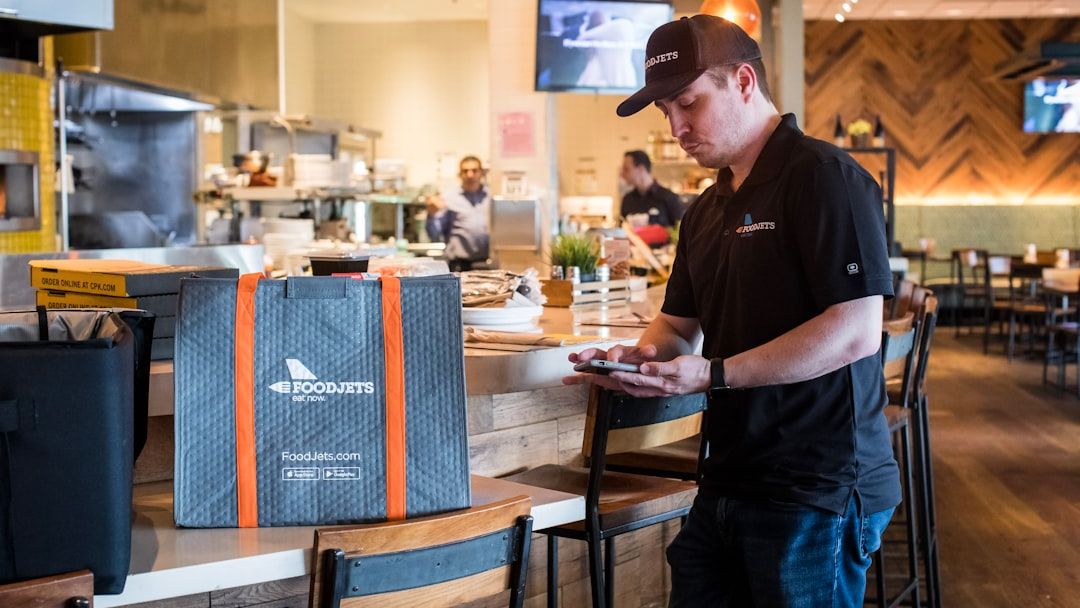
Restaurants across the board get their main shipments of fresh ingredients from Thursday through Saturday. This timing keeps the highest quality produce, meats, and seafood arriving just before the weekend rush. Early in the week, kitchens work with whatever stock remains from those deliveries. Tuesday nights often mean pulling from inventory that’s already a few days old. Chefs know this cycle inside out from years in the trenches. They plan menus around it to avoid waste while maintaining standards. Operations run smoother when everyone understands these rhythms. Skipping the special helps diners get consistently better plates.
Industry patterns from recent years confirm this delivery schedule dominates. About three quarters of spots follow it to sync with supplier logistics. Midweek stock sits longer under refrigeration or storage. Quality dips subtly but noticeably for discerning eaters. Chefs train staff to rotate items first in, first out. Tuesday becomes a testing ground for older cuts or veggies. Forward-thinking kitchens track this to tweak orders weekly. Diners benefit by sticking to core menu reliability.
Tuesday Stands as the Quietest Night
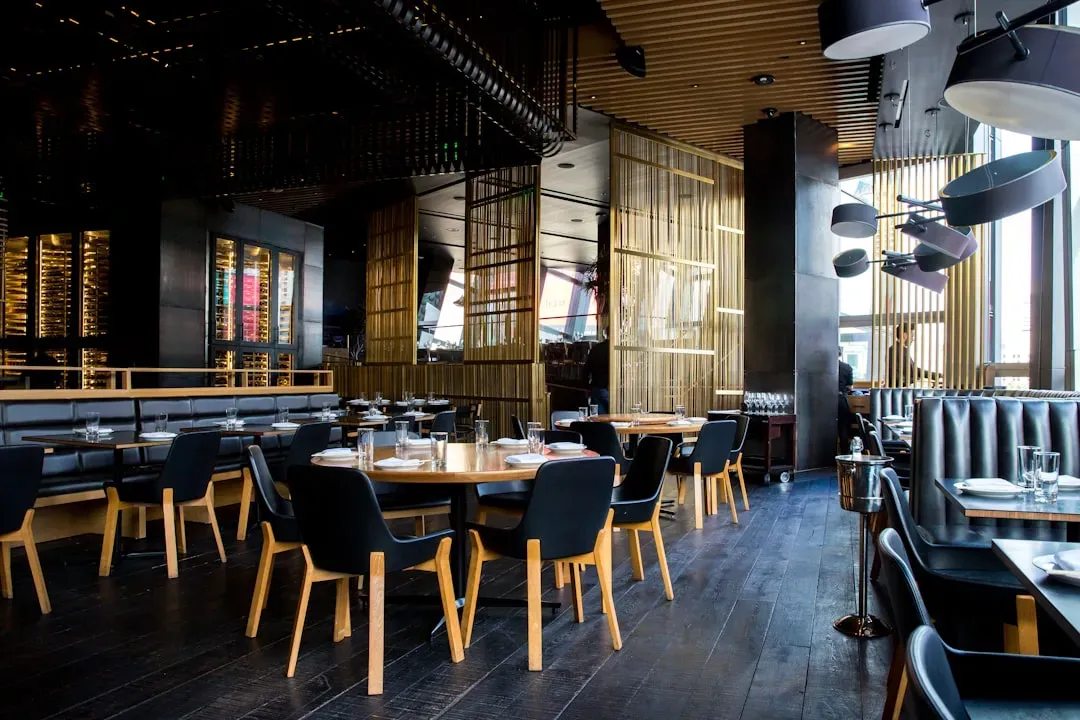
Restaurant foot traffic dips lowest on Tuesdays according to operational data up to 2025. Servers and cooks notice the empty tables right away. Kitchens scale back intensity without the weekend frenzy. Leftover ingredients from busier nights pile up more noticeably. Management pushes specials to move them out efficiently. Chefs avoid highlighting these on slow nights for quality reasons. The vibe shifts to maintenance mode rather than peak performance. Savvy regulars pick up on this and order familiar dishes instead.
Slow days like Tuesday let staff deep clean but also expose inventory realities. Data shows customer numbers nearly half compared to Fridays. This influences how far ahead prep happens for specials. Chefs prioritize core items that sell steady. Specials fill the gap for excess but carry risks. Operations tighten budgets this way post-pandemic. Everyone from line cooks to owners juggles these pressures daily. Opting out keeps meals above par.
Specials Tackle Food Waste Head-On
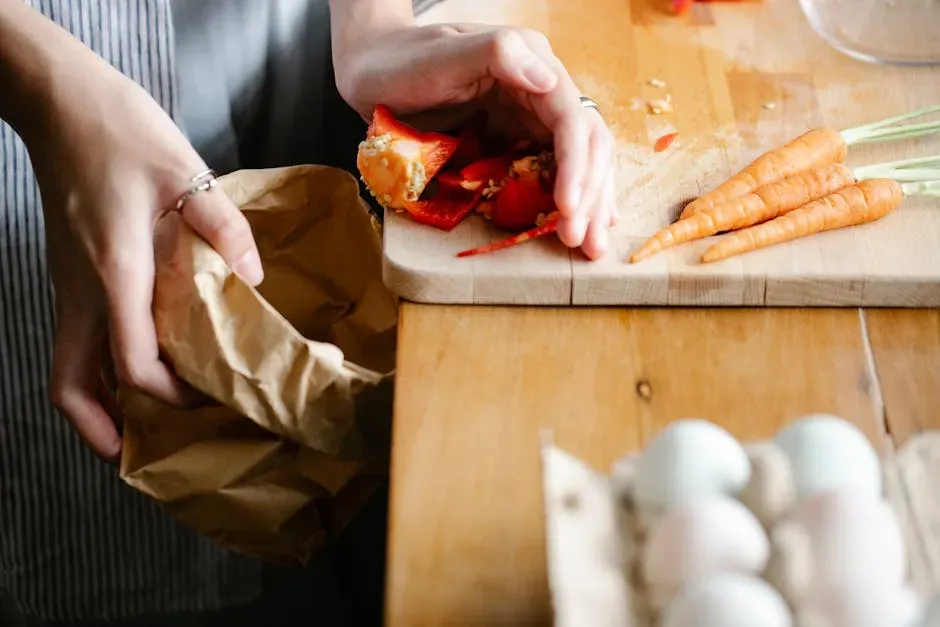
Chefs craft daily specials mainly to use ingredients nearing shelf life ends. This practice cuts waste in high-volume operations. Tuesday nights amplify the need as stock ages from weekend deliveries. Kitchens monitor expiration dates closely every shift. Specials rotate based on what’s urgent to move. This keeps costs down in a tight-margin industry. Staff learn to spot the signs of fading freshness quick. Diners get creative flavors but sometimes at quality’s edge.
Recent industry reports highlight waste reduction as a top goal through 2025. Specials serve this purpose without overhauling the main menu. Tuesday’s lull gives space to experiment safely. Chefs balance creativity with caution here. Leftover proteins or veggies find new life this way. Operations stay leaner overall. Guests who know skip ahead to proven winners. It’s all about smart kitchen math.
Seafood Freshness Fades Fast Midweek
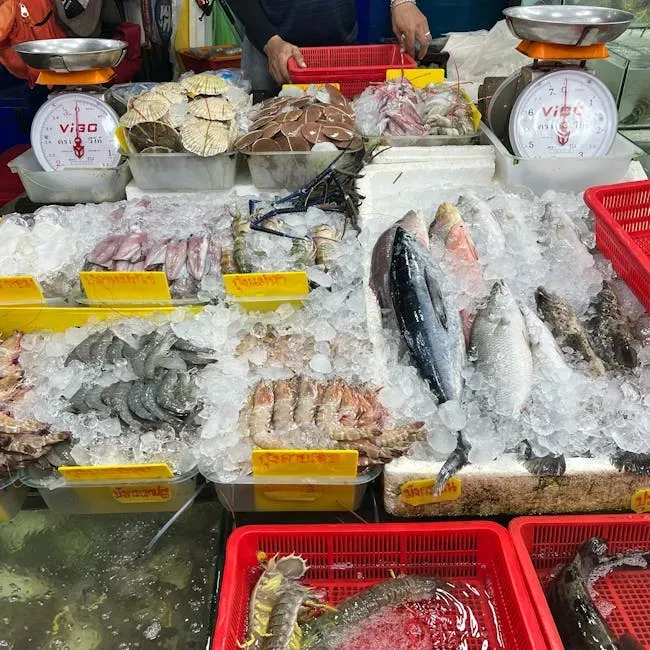
Fresh seafood lasts just one to three days max in pro kitchens. Deliveries timed for weekends mean Tuesday fish comes from earlier batches. Chefs inspect rigorously but time works against them. Texture and flavor suffer after that window. Specials often feature it to clear stock promptly. High-end spots rotate suppliers to combat this. Tuesday nights reveal the limits plainly. Pros steer clear personally for peak taste.
Guidelines stress quick turnover for shellfish and finfish alike. Data from 2023 operations logs this short lifespan clearly. Kitchens chill at precise temps but can’t stop clocks. Specials highlight seafood when it’s prime, not lingering. Chefs train eyes for off odors or colors. Midweek choices lean safer on menu staples. This keeps reputations solid. Diners taste the difference intuitively.
Specials Lack Fixed Recipes
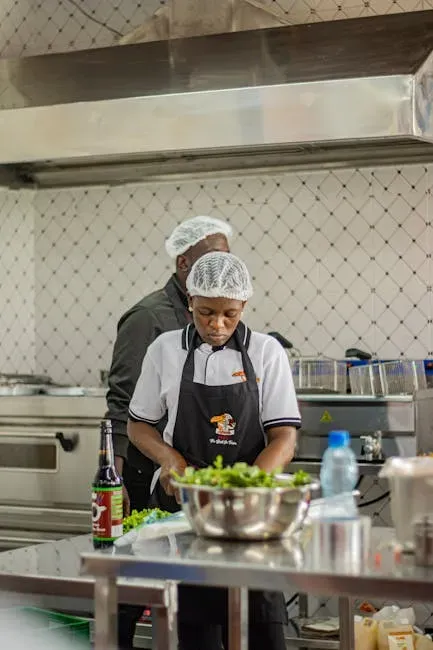
Daily specials vary wildly without set standards across restaurants. Chefs improvise based on available stock each day. Tuesday’s older inventory leads to inconsistent results. One night shines, the next falls flat subtly. Operations favor flexibility over rigidity here. Surveys up to 2025 note this as common practice. Kitchens adapt to supply realities on the fly. Reliability suffers compared to printed menu anchors.
No two specials match exactly even in chains sometimes. This creativity thrills but risks quality dips midweek. Chefs note guest feedback shapes future tweaks. Tuesday tests these variables most. Staff execution plays big too on slow nights. Core dishes get refined over time instead. Pros order those for surety. It’s the nature of fresh, fast-paced work.
Prep Items Dominate Early Week
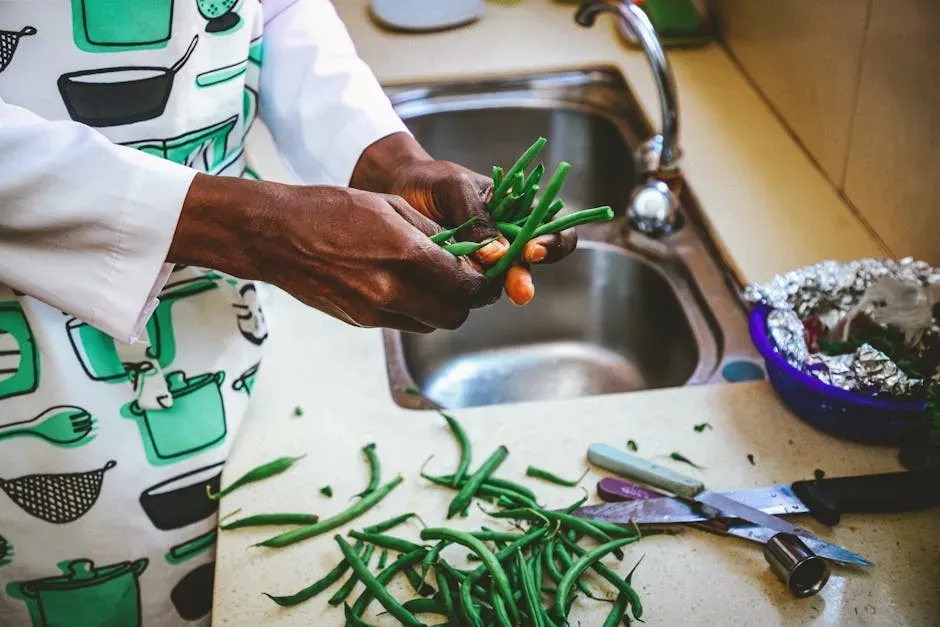
Restaurants prep sauces, stocks, and cuts days ahead for efficiency. These build up before new deliveries roll in. Tuesday pulls heaviest from that bank. Freshness wanes as the week progresses without restock. Specials incorporate them to avoid discard. Kitchens time mise en place meticulously. Chefs watch for separation or dullness in preps. Steady menu items use fresher pulls.
Operational data shows prep reliance peaks Mondays through Wednesdays. This cycle holds firm through 2025 trends. Staff portion to match expected traffic. Slow Tuesdays stretch supplies further. Specials bridge the gap creatively. Pros know when to trust core offerings more. It streamlines high-pressure shifts. Quality holds when skipping the unknown.
Safety Rules Force Quick Turns
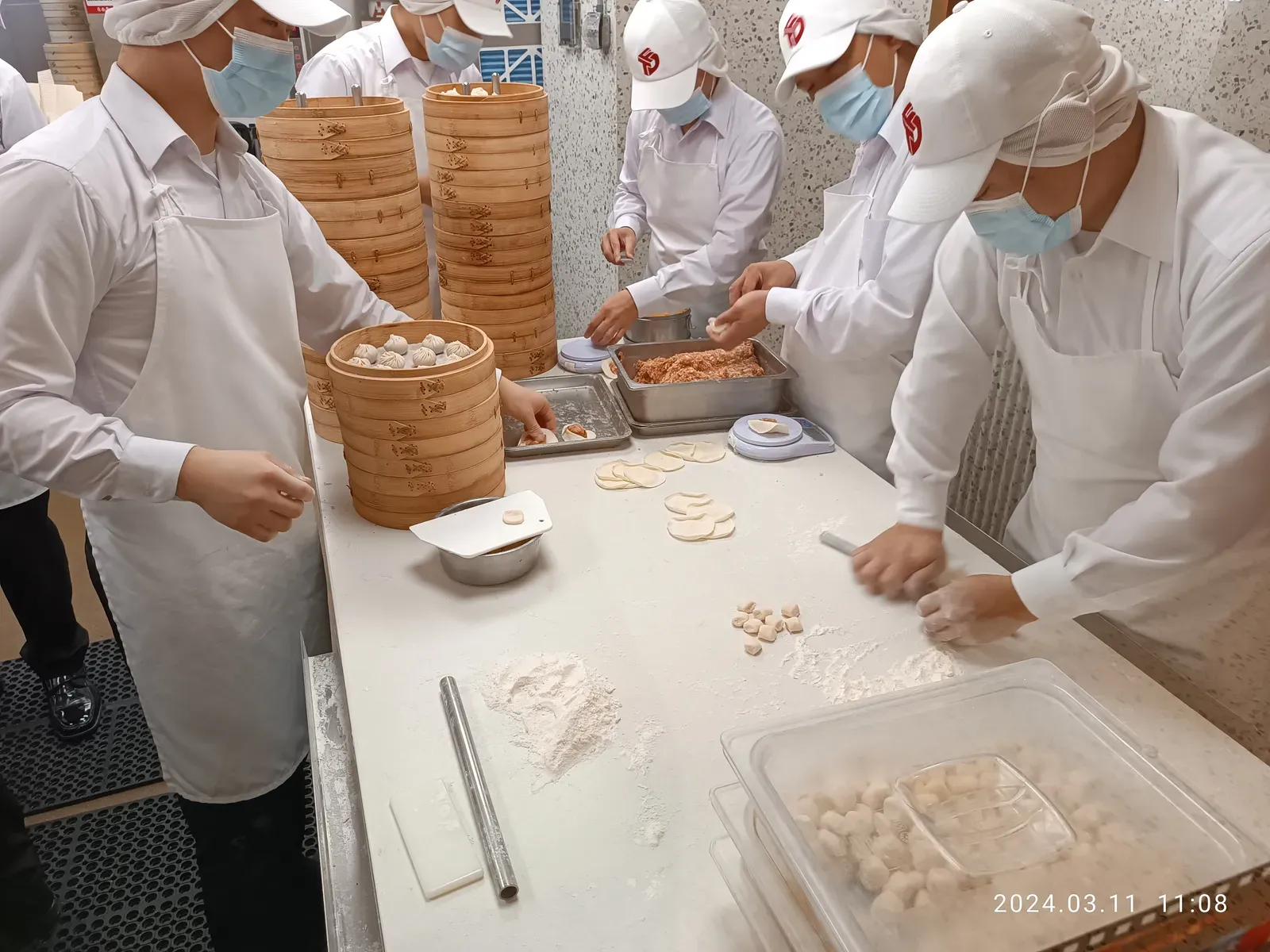
Food safety protocols demand perishable use within tight windows. Kitchens follow FIFO strictly to dodge risks. Tuesday stock hits those limits often. Specials prioritize items on the clock. Chefs enforce temp logs and date checks religiously. Violations cost licenses fast. Operations drill this into every hire. Diners stay safe but miss peak vibrancy sometimes.
Guidelines updated through 2024 emphasize rapid rotation. Data tracks compliance in audits nationwide. Midweek specials embody this urgency. Chefs balance flavor with caution always. Core menu gets longer-life components. Tuesday wisdom lies in selection. Staff thrive under these rules. Reliability trumps novelty here.
Weekends Claim Top Priority Focus
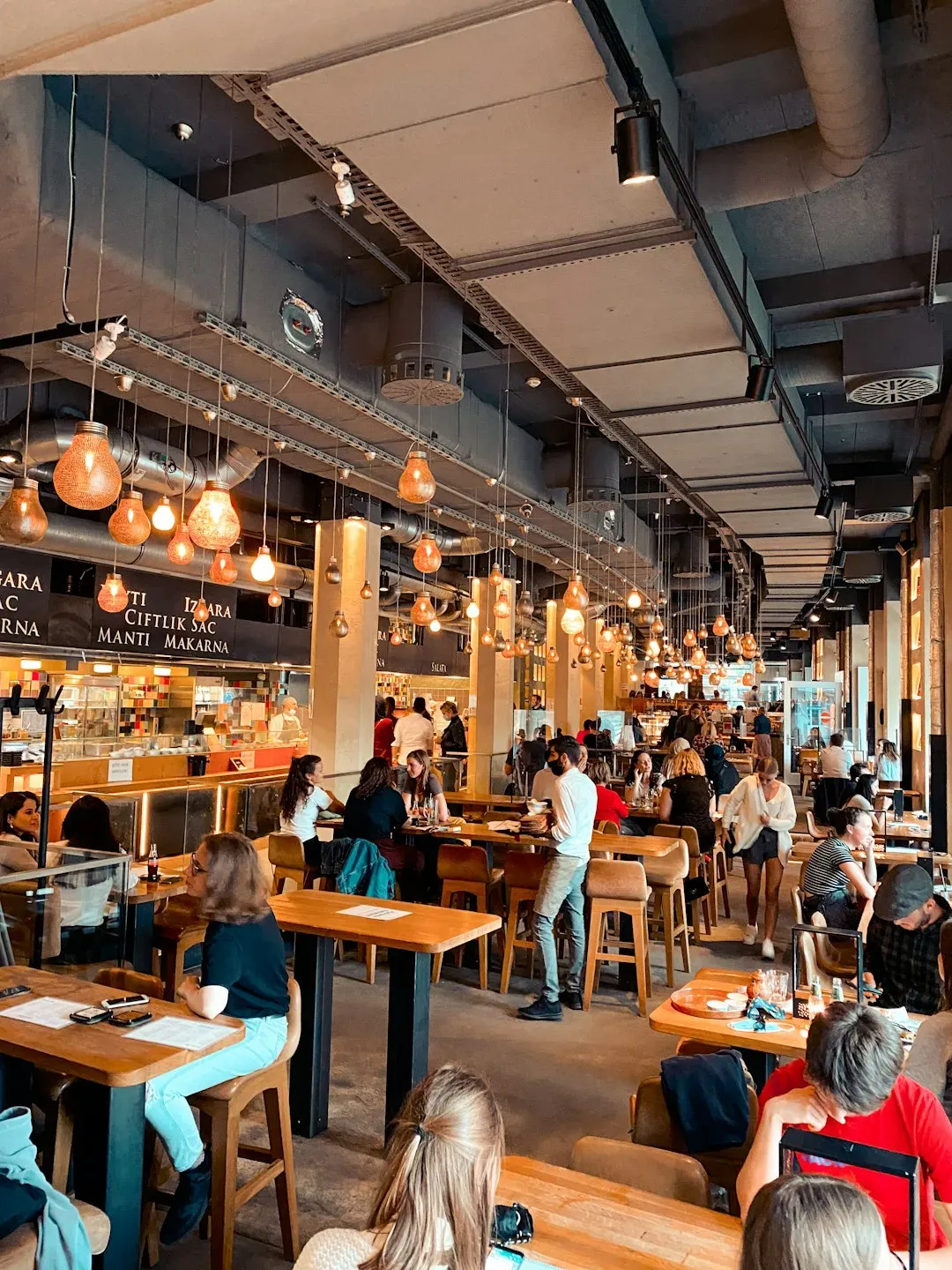
Friday to Sunday traffic surges demand flawless execution. Kitchens stock premium for volume peaks. Energy focuses on high-turnover hits. Tuesday shifts contrast sharply with recovery mode. Specials test waters then, not shine. Chefs reserve best for crowds. Operations gear toward those profitable nights. Slow days handle the rest quietly.
2025 stats show weekends driving most revenue still. This shapes staffing and prep deeply. Tuesday leftovers fuel specials strategically. Pros navigate by experience honed over seasons. Menu anchors deliver every time. Guest expectations align with peaks. Kitchens optimize this way smartly. Choosing safe keeps nights enjoyable.