Financials Fall Short of Expectations (Image Credits: Unsplash)
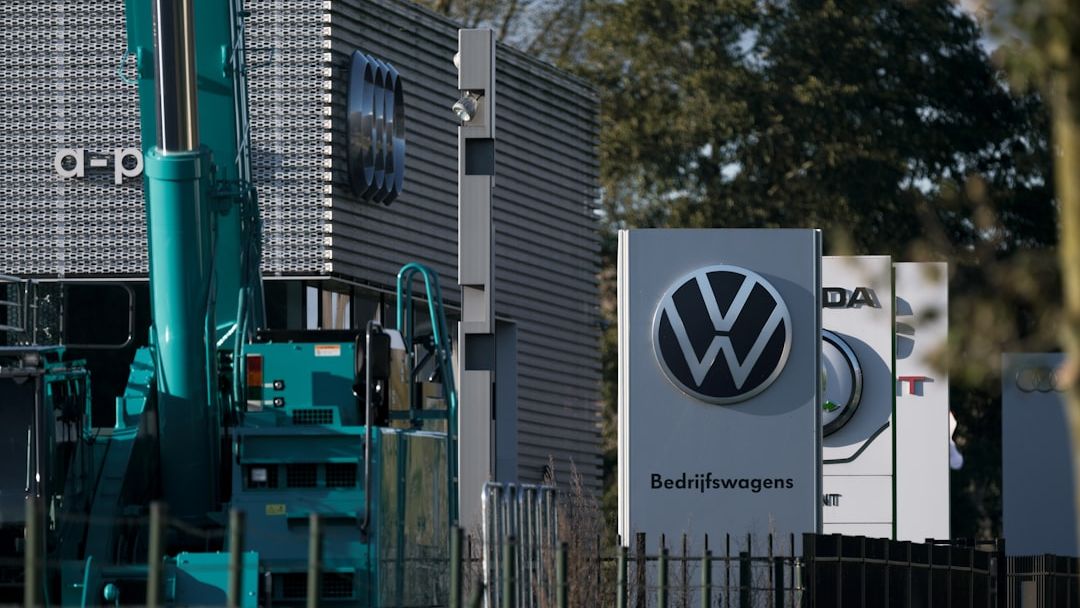
Wolfsburg, Germany — Volkswagen Group disclosed a sharper-than-expected decline in first-quarter operating profit on Wednesday, highlighting strains from U.S. tariffs and faltering demand in major markets. Operating profit fell 14 percent to 2.5 billion euros, while sales revenue dipped 2.5 percent to 75.7 billion euros, both trailing analyst forecasts.[1] Finance chief Arno Antlitz emphasized the need for accelerated action, stating the company’s existing cost controls fell short in the current climate.
Financials Fall Short of Expectations
The results marked a rocky start to 2026 for Europe’s largest carmaker. Analysts had anticipated a stable operating profit and revenue closer to 77.6 billion euros. Instead, the downturn reflected broader industry pressures that eroded margins across the group.[1]
Vehicle deliveries compounded the picture, sliding 4 percent to 2.05 million units globally. The drop stemmed from uneven regional performance, with gains in Europe failing to offset steep losses elsewhere.[2] Battery-electric vehicle deliveries declined 7.7 percent to 200,000 units, though plug-in hybrids rose sharply by about 31 percent to 109,000.
Regional Disparities Drive the Downturn
China and the United States emerged as primary pain points. Deliveries in China tumbled 14.8 percent to 548,700 vehicles, battered by subsidy phase-outs and fierce local competition. In the U.S., volumes plunged 20.5 percent amid tariff hikes and subsidy expirations.[2]
Europe provided some relief, where deliveries climbed 4.7 percent to 983,800 units. Western Europe saw a 4.2 percent increase, fueled by stronger battery-electric uptake. South America also advanced 7 percent, led by Brazil’s 14.4 percent surge.
- Europe: +4.7% (983,800 vehicles)
- North America: -13.3% (205,500 vehicles)
- Asia-Pacific: -14.1% (618,900 vehicles)
- South America: +7.0% (147,900 vehicles)
Geopolitical tensions, including Middle East conflicts, added uncertainty, though their direct impact remained limited so far.[1]
Restructuring Gains Urgency
Volkswagen entered 2026 already reeling from 2025’s 53 percent operating profit collapse to 8.9 billion euros, the lowest since the Dieselgate scandal. That year set the stage for aggressive measures, including plans to slash up to 50,000 jobs in Germany by 2030. Now, executives doubled down, with Antlitz warning that prior initiatives proved inadequate.[1]
Production capacity faces the deepest overhaul yet. The group aims to trim global output to 9 million vehicles annually from over 12 million, including a 1 million-unit reduction in Europe by 2028 at Volkswagen and Audi plants. CEO Oliver Blume described overcapacity as unsustainable, citing post-pandemic shifts, tariffs costing tens of billions, and EV demand volatility.[3]
These steps build on last year’s first German factory closure in 88 years. The Scout brand’s U.S. expansion offers potential offsets, possibly sharing capacity with Audi to mitigate risks. Porsche, a key profit driver, reported its own 22 percent Q1 operating profit drop amid similar sales weakness.[4]
Cautious Outlook Amid Persistent Risks
Volkswagen reaffirmed its 2026 guidance, targeting a 4 to 5.5 percent operating margin after 2025’s 2.8 percent. Sales revenue growth of up to 3 percent remains in view. Yet leaders cautioned against complacency, excluding potential Middle East escalations that could spike raw material costs and curb demand.[1]
New models, including Europe’s Electric Urban Car Family and China-specific electrics, promise momentum. Order backlogs in Europe swelled 15 percent, with battery-electric intake up 4 percent. Still, U.S. tariffs alone threaten 4 billion euros annually, amplifying the need for agility.
As Volkswagen navigates this turbulent landscape, its commitment to profitability over volume signals a pivotal shift. Whether deeper cuts restore resilience will define the group’s trajectory in an era of trade barriers and electric transitions.