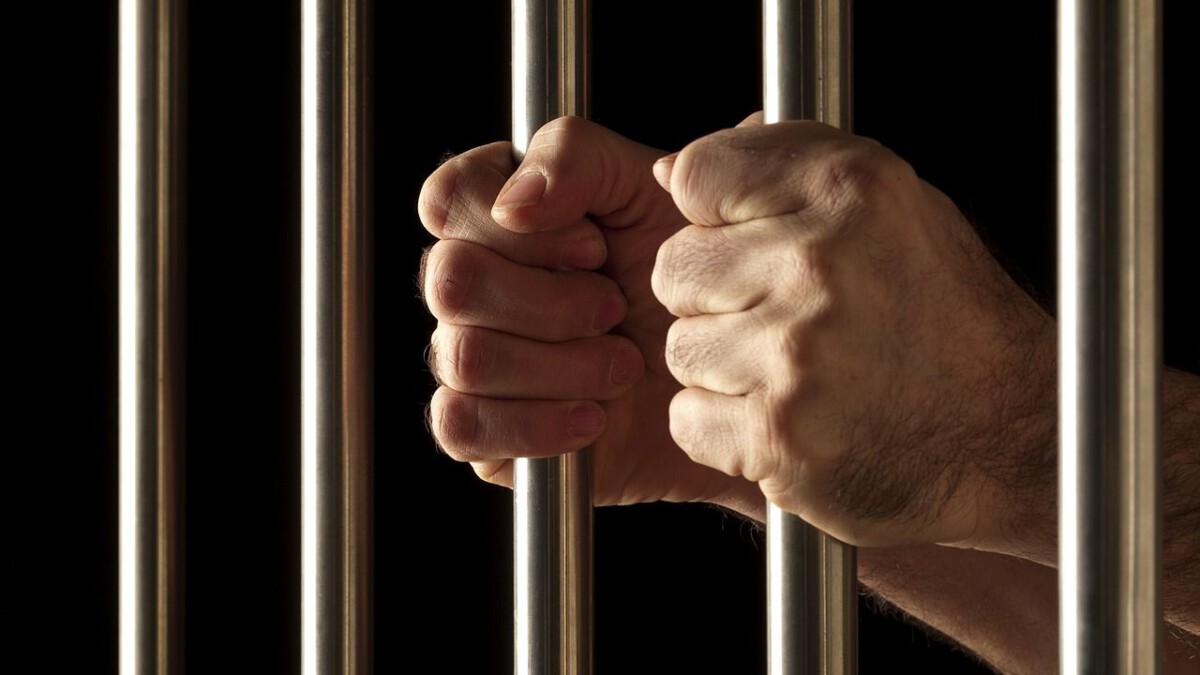
Understanding the Human Need for Touch (Image Credits: Pixabay)
Prisons strip away liberties, but the absence of simple human contact often inflicts deeper wounds. Researcher Lauren Hayman recently highlighted her findings on touch deprivation, drawing attention to how inmates suffer from prolonged isolation without physical touch. This phenomenon, also known as skin hunger or touch starvation, exacerbates mental health struggles and challenges rehabilitation efforts across correctional systems.[1][2]
Understanding the Human Need for Touch
Human beings thrive on physical contact from birth. Studies show that touch regulates stress hormones, fosters emotional bonds, and supports overall well-being. Deprived of it, individuals experience heightened anxiety, depression, and even physical symptoms like elevated blood pressure.
Psychologist Tiffany Field has explored how touch deprivation fuels aggression, particularly among adolescents. Her work links the lack of tactile interaction to self-harm and interpersonal violence, effects that intensify in controlled environments like prisons.[3] In solitary confinement, where contact is minimal or absent, these outcomes become starkly evident.
Exercise offers some relief by mimicking endorphin release from touch, yet it falls short of genuine human connection. Researchers note that while physical activity buffers deprivation’s edge, it cannot fully replace interpersonal warmth.[1]
Amplifying Effects in Solitary Confinement
Solitary confinement emerged as a punitive measure, but science reveals its profound neurological impact. Experts like Craig Haney describe how isolation – devoid of touch, light variation, and social cues – rewires the brain, leading to lasting psychological damage.[3] Inmates report chronic loneliness that persists long after release.
One analysis compared solitary to broader incarceration, finding that touch absence compounds sensory deficits. This deprivation correlates with increased hallucinations, paranoia, and aggression upon reintegration into general populations.[4]
- Heightened cortisol levels from stress.
- Impaired emotional regulation.
- Risk of self-injurious behaviors.
- Challenges in forming post-release relationships.
Former inmates often describe relearning touch as a painful process, underscoring the long-term scars of institutional isolation.[5]
Research Spotlights the Crisis
Hayman’s contributions build on a growing body of evidence. Investigations into U.S. facilities reveal touch deprivation as a key factor in mental health declines. For instance, prolonged solitary alters brain structure, much like chronic stress in animal models.[6]
California’s youth detention debate illustrates urgency. Advocates push for contact visits to combat touch starvation among juveniles, arguing that hugs from family aid development and reduce recidivism.[7] Policymakers now weigh these findings against security concerns.
What Matters Now: Reforms in five U.S. systems show reduced solitary use correlates with better outcomes, suggesting touch-friendly policies could transform incarceration.
Pathways to Reform and Recovery
Correctional leaders explore alternatives like therapeutic touch programs or expanded visitation. Pilot initiatives in some jails prioritize contact to mitigate deprivation’s harms. Evidence supports these shifts, as restored touch improves mood and cooperation.[8]
Post-release support proves crucial. Counseling addresses skin hunger’s aftermath, helping ex-inmates rebuild intimacy. Broader societal recognition, fueled by researchers like Hayman, pressures systems toward humane standards.
While challenges persist, accumulating data offers hope. Prisons that integrate touch as a rehabilitative tool may lower violence and recidivism rates, fostering safer communities upon release.
Touch deprivation reveals incarceration’s hidden cruelty, yet awareness sparks change. As research deepens, correctional practices stand poised for evolution, prioritizing human connection amid confinement.