
In a world that equates hustle with success, claiming to be overwhelmed has become almost reflexive. People drop lines about packed schedules during casual chats, as if downtime signals failure. This performative busyness hints at deeper psychological currents shaping how we present ourselves.
Research shows it ties into perceptions of value and demand. Folks interpret constant motion as proof of importance. Yet the line between genuine overload and strategic signaling often blurs.
Busyness as a Status Symbol
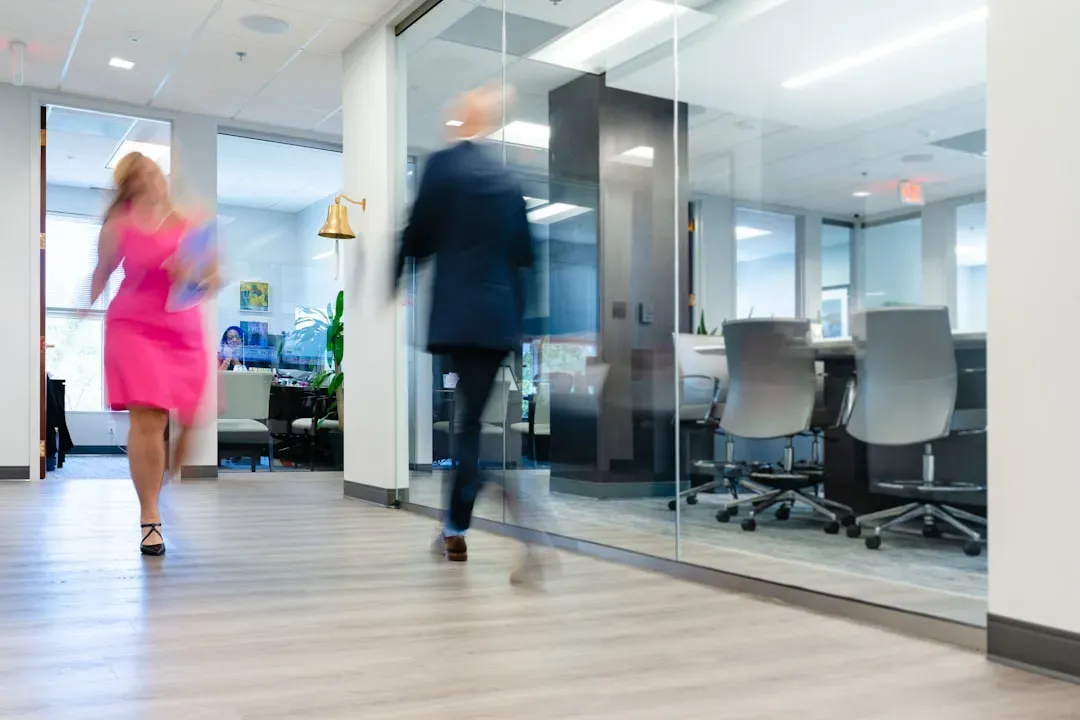
Studies reveal that busyness now conveys prestige, flipping old ideas where leisure marked elite status. People view those who seem perpetually occupied as higher in social standing. This shift stems from modern economies prizing knowledge work over manual labor.[1][2]
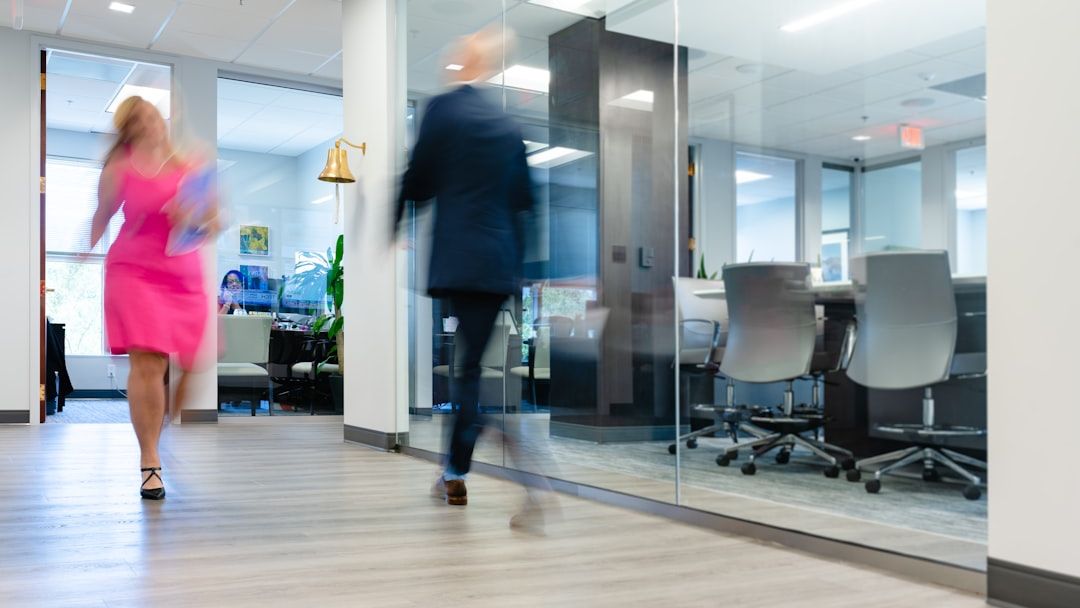
Experiments confirm observers infer greater status from busy signals like hurried walks or full calendars. Such displays suggest high demand for one’s time. Over time, this has made “I’m swamped” a subtle boast.[3]
Signaling Scarcity of Time

Perceived scarcity drives the appeal. When someone appears time-poor, others assume their expertise must be in short supply. This mirrors luxury goods, where rarity boosts value.
Research links these inferences to busyness cues. Participants rated busy professionals as more capable and sought-after. The effect holds across contexts, from offices to social settings.[4]
Impression Management Tactics

Individuals craft images to influence how others see them. Pretending overload fits this, warding off extra tasks while boosting perceived competence. It’s a calculated move in social navigation.
Workplaces amplify it through visibility. Open layouts or tracking tools push employees to perform activity. Even remote setups demand proof of engagement via constant updates.[5]
Fear of Looking Unproductive

Downtime invites scrutiny. Employees worry idle moments label them lazy or irrelevant. This anxiety prompts filler activities to fill voids.
Cultural norms reinforce it. Admitting free time risks lower standing. Many opt for motion over stillness to dodge judgment.[6]
The Rise of Fauxductivity

Recent surveys label it “fauxductivity,” where appearances trump output. A 2024 Workhuman study found nearly half of managers spot it on teams, despite most workers denying it. Leaders admit to it more often than staff.[7][8]
Motives include burnout avoidance and work-life balance. Over half feel pressure for instant replies. Disengaged workers barely scrape by, fueling the charade.[7]
Ghostworking in 2025

Ghostworking captures the trend of feigned effort. A Resume Now survey from early 2025 showed 58 percent of U.S. workers regularly pretend to toil. Another 34 percent do it now and then.
Triggers range from unclear tasks to layoff fears. Return-to-office pushes heighten it. Burnout and micromanagement play roles too.[9][10]
Everyday Pretend Strategies

Common ploys include random typing or fake calls. About 22 percent mash keyboards for sound effects. Fifteen percent clutch phones to ears sans conversation.[9]
Others schedule phantom meetings or tote notebooks as props. Spreadsheet facades hide browsing. These keep up the illusion amid watchful eyes.[10]
Prevalence Across Levels

Sixty-five percent own up to productivity theater per an Asana report. Managers see it in nearly half their teams. C-suite fakers hit 38 percent.[11][8]
Remote workers waste more time this way. Nearly half admit higher idling virtually. Job hunting on company clocks affects 92 percent.[9]
Psychological Underpinnings
It offers a dopamine nudge from seeming vital. Overstating loads hits 42 percent in older polls. Peaks around age 30, when pressures mount.[12][13]
Social proof sustains it. Peers’ busyness tales normalize pretense. Fear of missing out on validation keeps the cycle spinning.
Consequences of the Facade

Pretending drains energy, mimicking real exhaustion. It erodes trust when exposed. Teams suffer from misaligned efforts.
Burnout looms larger under the mask. Genuine rest evades those trapped in performance. Long-term, it hampers true output.[14]
Moving Beyond Fake Busy

Recognizing patterns opens doors to change. Cultures valuing outcomes over optics help. Leaders modeling focus inspire shifts.
Embracing idle reflection boosts real gains. Questioning busyness claims reveals hidden space. True productivity flows from intention, not illusion.