
America once buzzed with casual spots where folks could grab a coffee, shoot pool, or just chat without pressure. These third places, a term sociologist Ray Oldenburg used for gathering spots beyond home and work, fostered easy connections.[1][2] Today, though, many feel those spaces fading, leaving people more isolated in their routines.
From bars to parks, the shift shows in hard numbers. Time at home has climbed steadily, while public hangouts struggle. This trend ties straight to rising loneliness across the country.
The Surge in Homebound Days
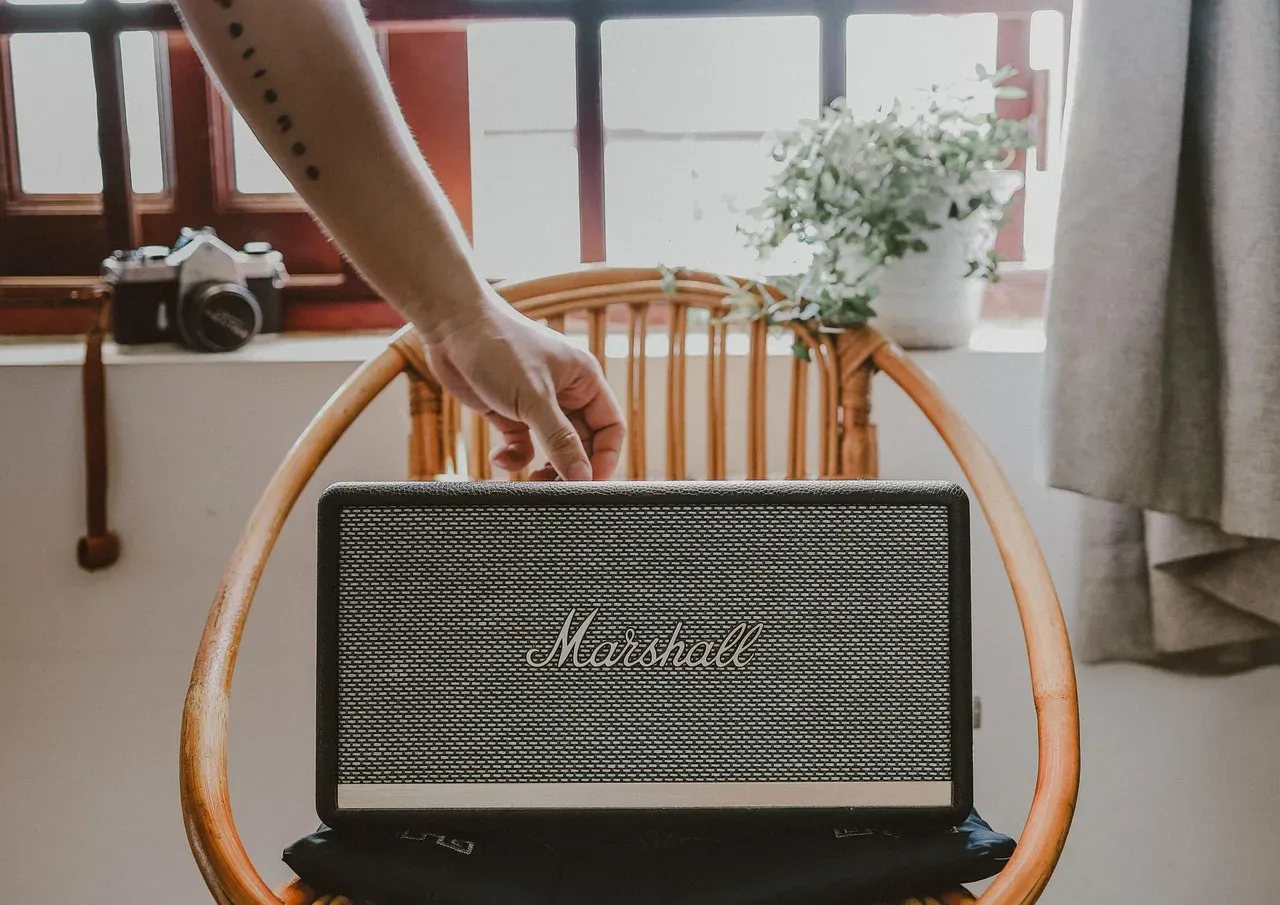
Adults now spend about one hour and 39 minutes more each day at home than in 2003, a trend that sharpened after COVID.[3] That means less time wandering into local cafes or libraries for unplanned talks. Public socializing has dropped off, with many sticking to screens instead. The change leaves neighborhoods quieter than before.
Loneliness Hits Record Levels

Around 21 percent of Americans report serious loneliness, per a 2024 Harvard study, with nearly half feeling isolated overall.[4][5] Surgeon General warnings highlight this as a public health crisis, worse than smoking risks. Third places could counter it, but fewer exist now. People crave connection yet find fewer easy spots.
Fewer Face-to-Face Hangouts
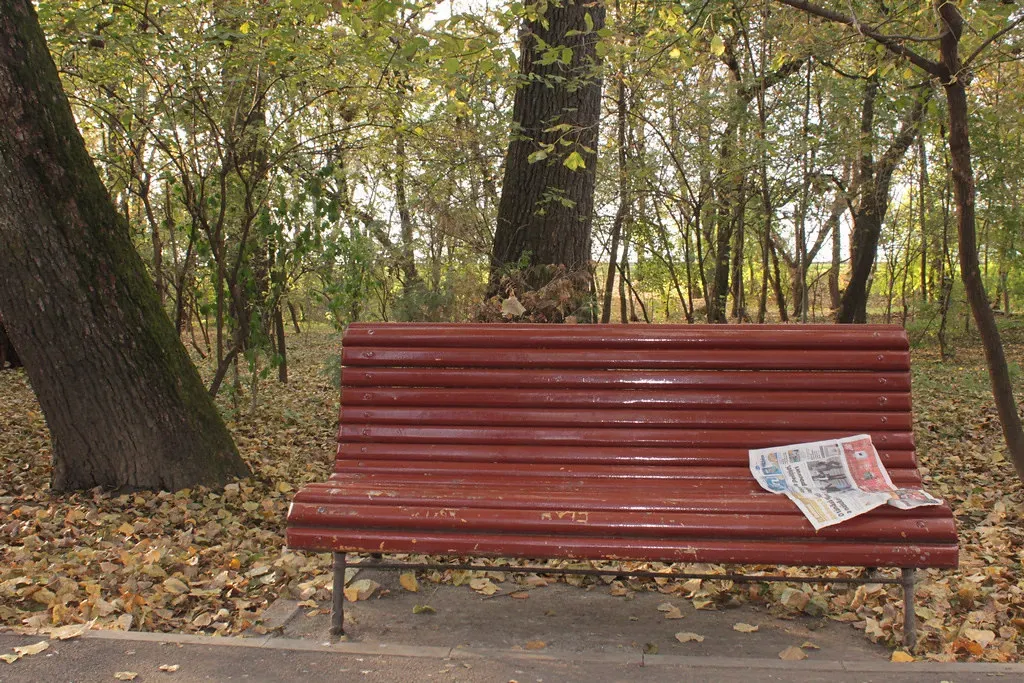
Face-to-face socializing fell roughly 30 percent from 2003 to 2022 for adults.[6] Unmarried folks saw even steeper drops. This shift predates phones but accelerated with them. Casual meetups in bars or parks just happen less often.
Bars and Restaurants Shutting Down
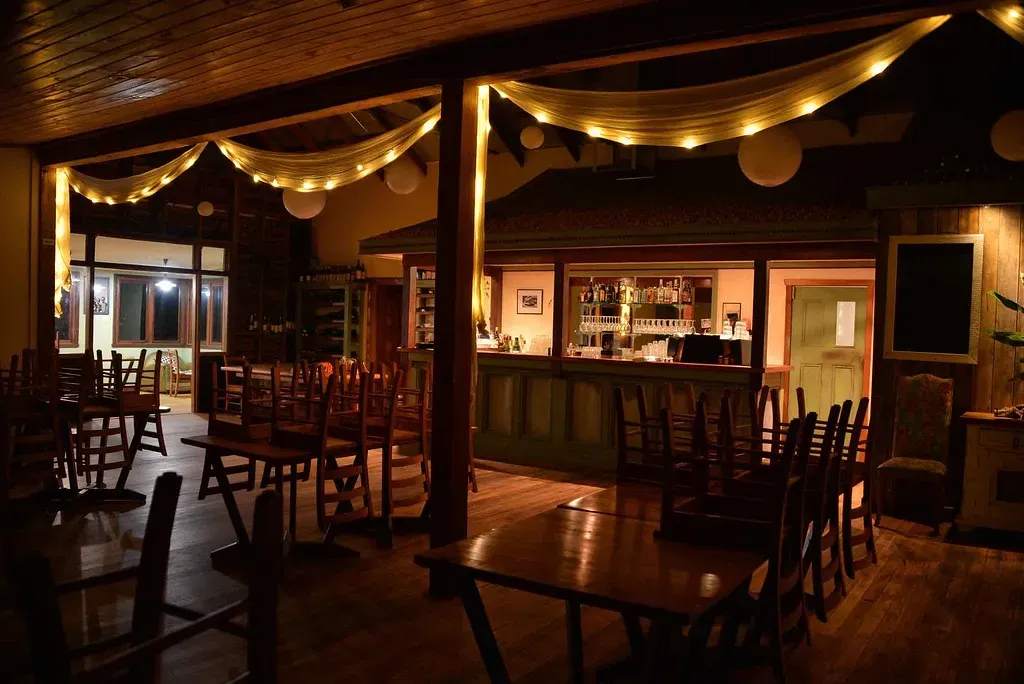
Nine percent of full-service restaurants face closure risk in 2026, amid a 2.3 percent shrink in independents last year.[7] High rents and food costs hit neighborhood spots hard. These were prime third places for after-work chats. Chains survive better, but local vibes vanish.
Screens Steal Social Time
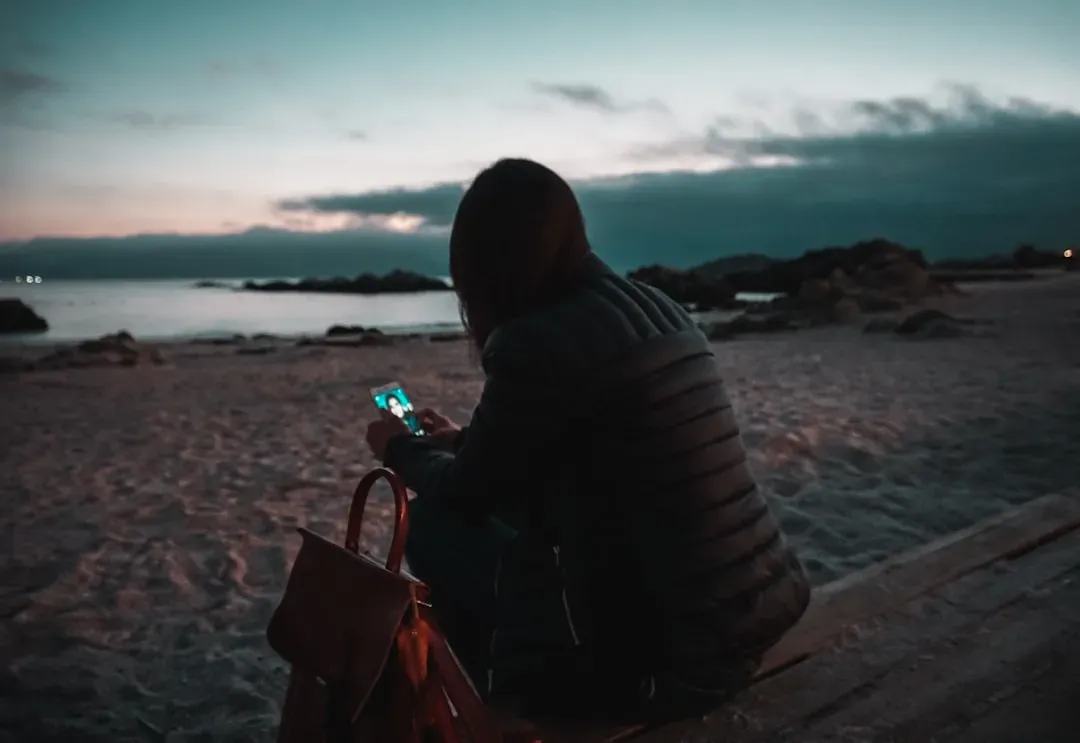
Heavy social media users over age 30 face double the loneliness odds.[8] Seventy-three percent blame tech for isolation.[9] Phones keep heads down in what few public spaces remain. Real talks give way to scrolls.
COVID’s Lingering Shadow
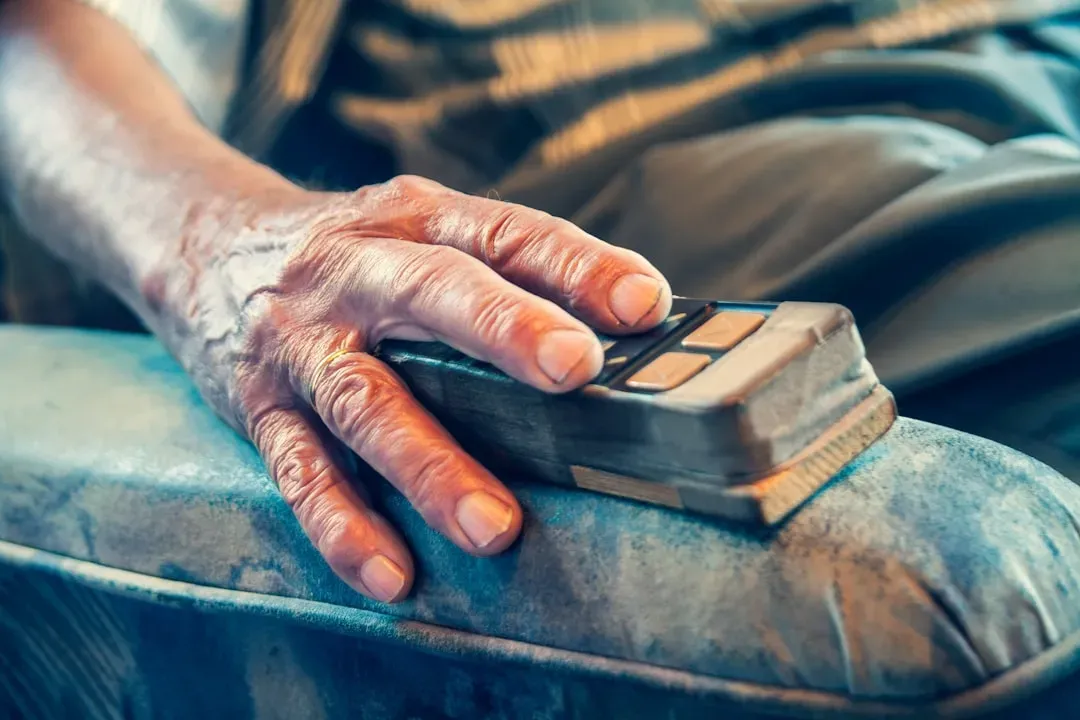
Over half of older adults still spend more time home and less in public than pre-pandemic.[10] Lockdowns cut third place access sharply. Habits stuck, with out-of-home activities down nearly an hour daily.[11] Recovery lags, deepening divides.
Costs Crush Local Gems
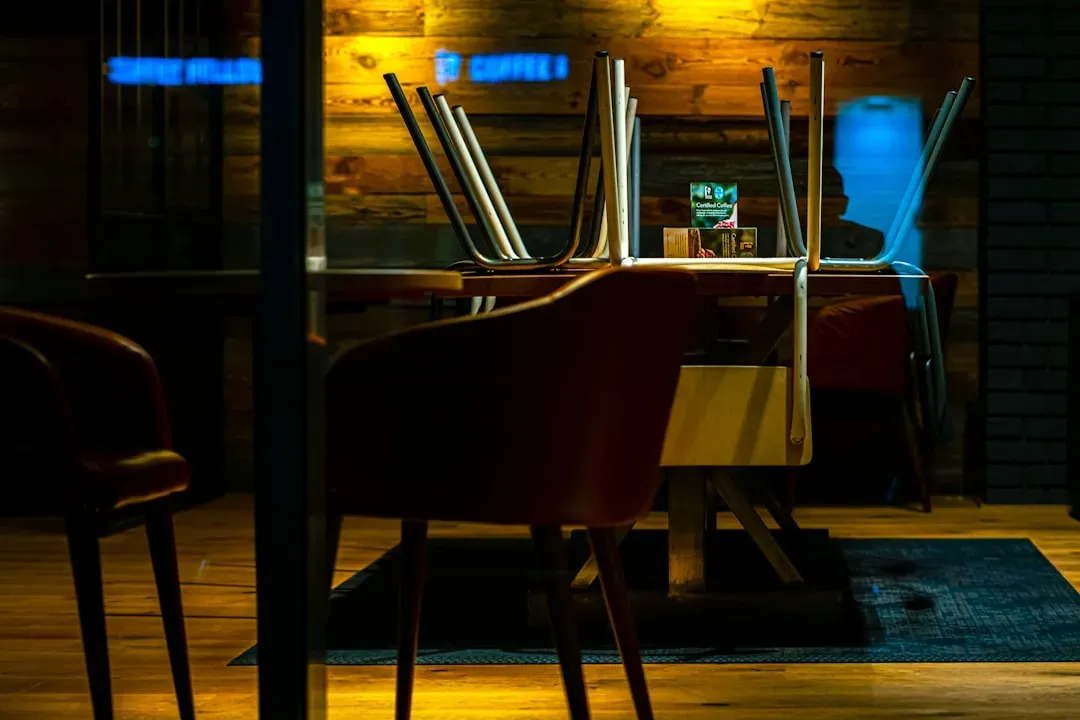
Rising labor, rent, and food prices closed dozens of historic eateries in 2025.[12] Small coffee shops see over half fail in five years.[13] Financial strain keeps folks home too. Gathering spots turn pricey or disappear.
Sprawl Kills Walkability

Car-focused suburbs spread people thin, far from easy hangouts.[14] Urban areas have more third places, but rural spots lag.[15] One in five lack nearby public options.[16] Convenience fades without nearby nooks.
Friendless Trends Alarm

Seventeen percent claimed zero close friends in 2024, up huge from 1990.[17] Third places built those bonds once. Now, 41 percent feel lonely often.[18] Isolation compounds without neutral grounds.
Reviving What’s Lost
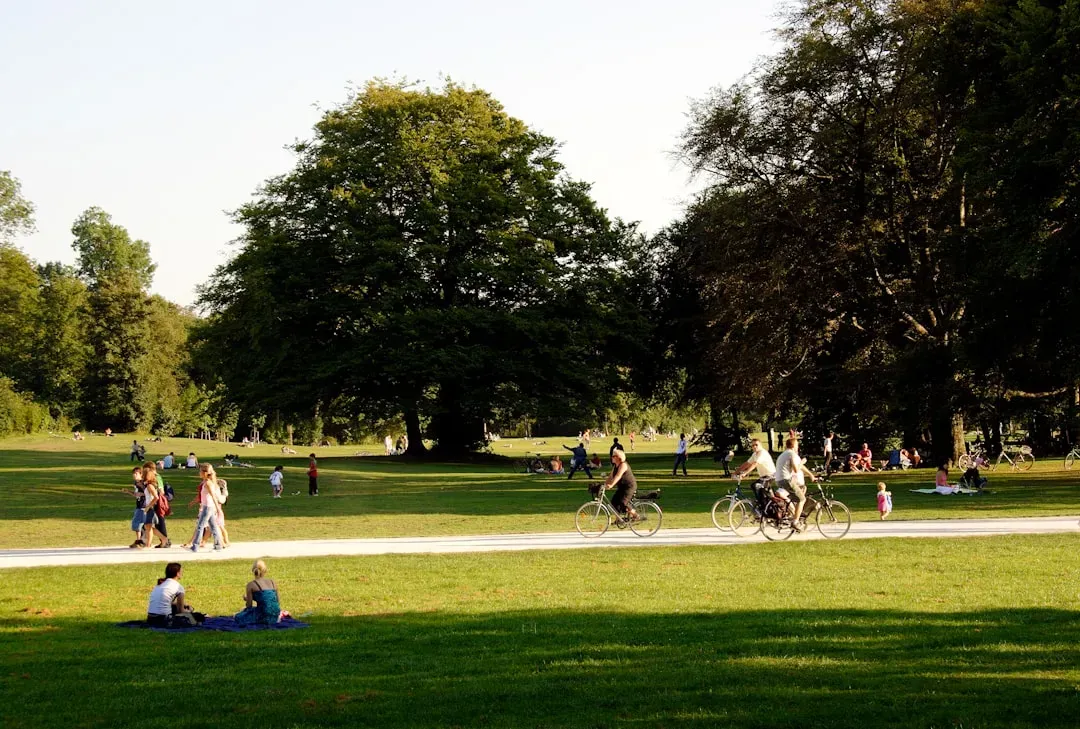
Calls grow for better parks, user fees for upkeep, and walkable designs.[19] Some cities add courts, but metros still short. Community hubs could heal divides. Small steps might bring back the buzz.
Fewer third places mean more solo evenings, but the pull of connection persists. Spotting a lively corner still sparks hope. Rebuilding them could quiet the loneliness hum.