

Ever notice how a spontaneous adventure sounds thrilling in theory, but leaves you drained afterward? Our brains, wired for efficiency, quietly favor the steady rhythm of routine over the unpredictability of constant novelty. This preference stems from deep neurological roots that prioritize stability for survival and mental clarity.
Recent neuroscience reveals that while excitement spikes dopamine momentarily, reliable patterns build lasting calm and focus. Understanding this shift can explain why ditching chaos for structure often feels like a relief.
The Brain’s Prediction Engine

Neuroscientists describe the brain as a prediction machine, constantly forecasting outcomes to minimize surprises.[1] Predictable routines align with this by providing stable cues, like a morning coffee ritual, allowing neural circuits to anticipate and prepare efficiently. When life follows a pattern, the brain expends less effort on vigilance.
This setup reduces cognitive load over time. Studies show neural activity actually declines with high predictability, conserving energy for higher tasks.[2] Chaos disrupts these forecasts, triggering unnecessary alerts.
Cortisol and the Calm of Structure

Daily routines lower cortisol, the stress hormone that surges in unpredictable settings. Structured mornings, for instance, can cut cortisol spikes by up to half compared to rushed starts.[3] Predictability signals safety to the body, dialing back the fight-or-flight response.
Household chaos, on the other hand, predicts altered cortisol patterns in children, often leading to blunted daily rhythms.[4] Adults experience similar effects, with routines fostering emotional steadiness. This hormonal balance supports clearer thinking throughout the day.
Saving Mental Energy Daily
Routines conserve brainpower by automating decisions, a priority for our energy-thrifty minds. Predictable habits reduce uncertainty, freeing resources from constant planning.[5] Without them, chaos forces endless choices, leading to fatigue.
Research confirms habit formation eases this burden, with median times around 59 to 66 days for solid integration.[6] Once set, these patterns run smoothly in the background. The result is more bandwidth for creativity or problem-solving.
Habits Dominate Daily Actions
Up to two-thirds of everyday behaviors run on autopilot through habits, not deliberate thought.[7] This automation, driven by repeated routines, lets the brain handle complexity elsewhere. Novel chaos interrupts these flows, demanding fresh attention each time.
A 2026 study pegged habitual triggers at about 65 percent of actions.[8] Routines build this efficiency gradually. They turn effortful tasks into seamless defaults.
Dopamine’s Subtle Routine Reward
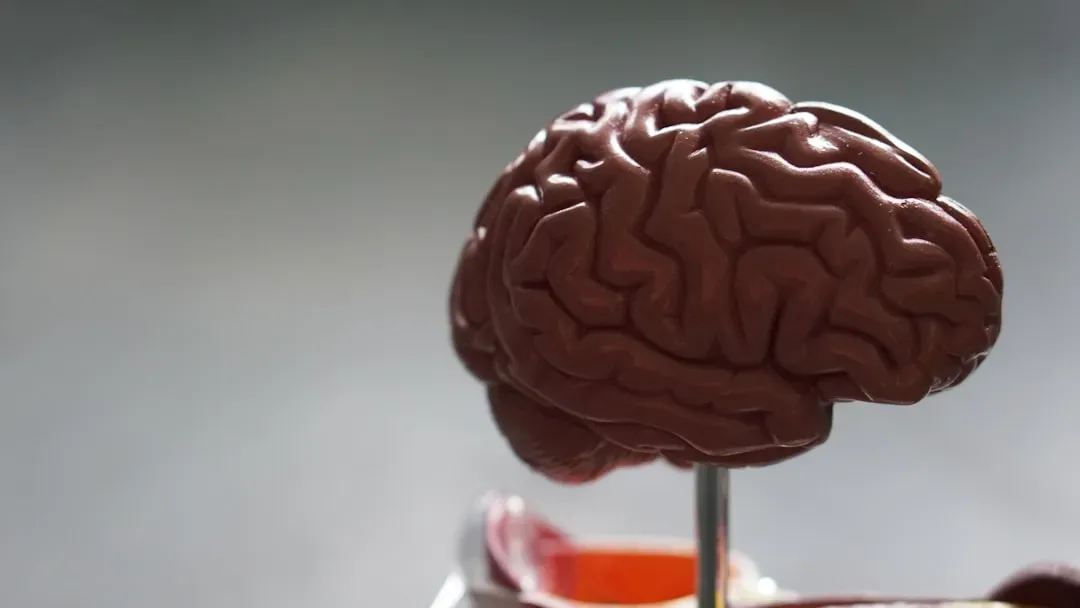
Dopamine neurons fire strongest on reward predictions, thriving in predictable setups.[9] Routines deliver steady hits by matching expectations, unlike erratic novelty that promises but often underdelivers. This creates a quiet satisfaction from reliability.
While novelty seeking grabs headlines, habits engage dopamine via basal ganglia loops for motivation.[10] Over time, this sustains drive without burnout. Chaos, by contrast, leads to prediction errors and frustration.
Chaos Activates Threat Circuits
Unpredictable environments mimic threats, ramping up the brain’s alarm systems. Routines counteract this by restoring a sense of control and orientation.[11] They anchor time during stress, easing mental drift.
Studies link chaotic homes to stress dysregulation, while structure promotes recovery.[12] Predictability quiets hypervigilance. It allows the nervous system to relax into normalcy.
Emotional Stability from Repetition
Consistent routines stabilize mood by buffering against emotional swings. They provide daily anchors that predictability reinforces.[13] Anxiety drops as the brain learns to trust the pattern.
Neuroscience ties this to reduced prefrontal overload, shifting control to efficient habit centers.[3] Chaos amplifies reactivity instead. Steady habits build resilience quietly.
Boosting Focus and Learning

Predictable rhythms in settings like education enhance learning by minimizing distractions.[14] The brain focuses better when not decoding randomness. Routines create fertile ground for retention.
Habit loops, via cues and rewards, sharpen attention over novelty’s scatter.[15] This effect compounds daily. Productivity follows naturally.
The Basal Ganglia Habit Hub

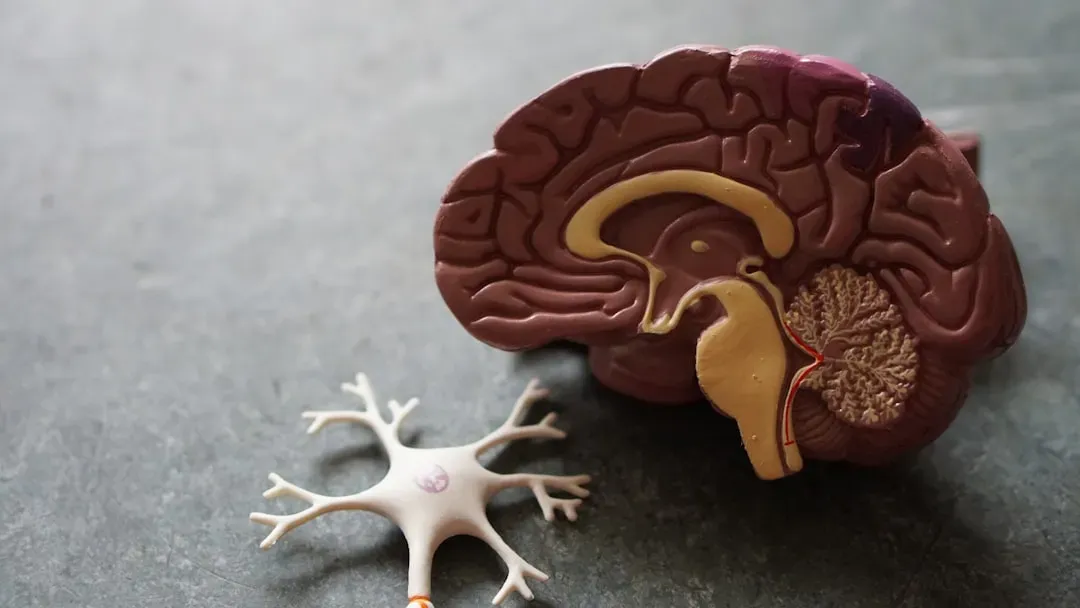
Deep in the brain, the basal ganglia orchestrate habits, favoring routine over reinvention. Dopamine fine-tunes these circuits for smooth execution.[10] Predictability strengthens their loops.
Research shows these pathways automate actions efficiently, resisting chaotic pulls.[16] They explain why routines feel effortless eventually. Novelty taxes them unduly.
Lasting Mental Health Gains

Long-term routines link to better cognition and lower anxiety risks.[17] They support sleep, productivity, and overall well-being through neural rewiring. Evidence from 2025-2026 studies underscores this stability.[13]
Sustained patterns protect against decline, much like exercise for muscles. Chaos erodes these benefits gradually. Embrace the boring for enduring calm.
Embracing the Quiet Power

Your brain’s pull toward routine isn’t laziness; it’s smart adaptation honed over millennia. In a world pushing endless novelty, leaning into structure unlocks deeper focus and peace. Small, steady changes yield the real rewards.