Spirit Airlines shutting down after failed effort at government rescue deal – Image for illustrative purposes only (Image credits: Unsplash)
Spirit Airlines, a longstanding budget carrier, began an orderly shutdown of all operations on May 2, 2026, just hours after negotiations for a $500 million government bailout collapsed.[1][2] The Trump administration had considered the rescue package, which included potential taxpayer funding, but no agreement emerged despite a final proposal from officials.[3] This abrupt end left thousands of passengers without flights and roughly 17,000 employees facing sudden job losses.
Last-Minute Negotiations End in Stalemate
The airline pursued emergency funding from the federal government as its financial woes deepened. Talks with the Trump administration intensified in the days leading up to the shutdown. President Trump indicated interest in preserving jobs but stressed the need for favorable terms. Transportation Secretary Sean Duffy later described the situation as one where additional funds would amount to poor fiscal judgment.
Spirit had filed for bankruptcy protection twice in recent years – first in November 2024 and again in August 2025 – carrying debts exceeding $8 billion.[2] Surging jet fuel prices, driven by the ongoing conflict with Iran, compounded these pressures and made recovery unattainable. The proposed bailout would have granted the government significant ownership, but opposition from creditors and others halted progress.
Passengers Left Scrambling Amid Cancellations
All Spirit flights halted immediately upon the announcement, with the carrier advising customers not to head to airports. The final flight touched down at Dallas Fort Worth International Airport from Detroit that morning. Travelers with upcoming bookings found themselves rebooking on other airlines at higher costs.
Refunds process through a claims agent for direct purchases, while third-party bookings require separate claims. Major carriers like Delta, United, JetBlue, Southwest, American, and Frontier stepped in with rescue fares, including $200 one-way options for affected passengers upon proof of purchase.[2] This support helped mitigate some chaos, though budget-conscious flyers in routes like Las Vegas to Florida faced steeper alternatives.
It is with great disappointment that on May 2, 2026, Spirit Airlines started an orderly wind-down of our operations, effective immediately. All flights have been cancelled, and customer service is no longer available. We are proud of the impact of our ultra-low-cost model on the industry over the last 33 years and had hoped to serve our Guests for many years to come.
Spirit Airlines official statement[1]
Thousands of Workers Face Uncertain Futures
The carrier employed about 17,000 full- and part-time staff before the closure. Efforts focused on repatriating over 1,300 crew members to home bases. Other airlines extended preferential hiring processes to ease the transition.
Employees learned of the shutdown alongside the public, with some expressing frustration over limited communication from management. The airline’s reputation for low fares came at the expense of amenities, a model that sustained operations for decades but proved vulnerable to external shocks.
From Industry Disruptor to Final Descent
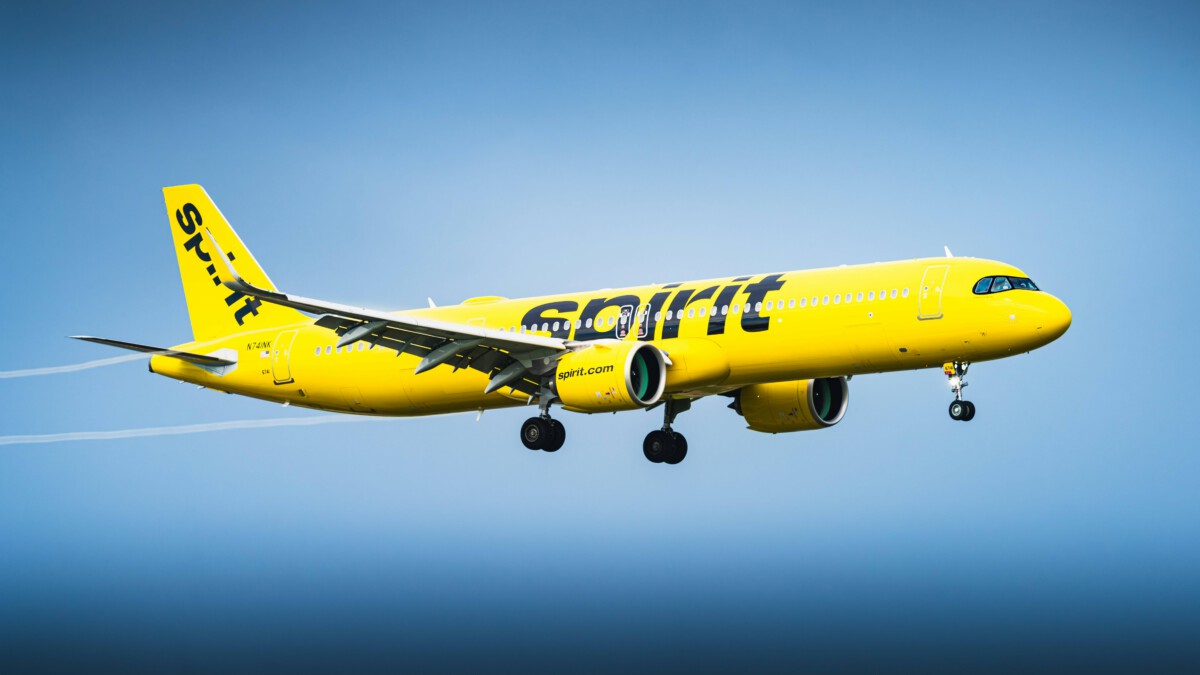
Spirit pioneered the ultra-low-cost model in the U.S., offering bare-bones service to drive down fares and expand access to air travel. It once flew hundreds of daily routes on bright yellow planes, serving leisure destinations heavily. Market share had dwindled to under 4 percent by early 2026 amid competition and a blocked merger with JetBlue.
Losses topped $2.5 billion since 2020, fueled by pandemic effects and rising costs. Despite restructuring attempts in prior bankruptcies, the airline could not adapt quickly enough to doubled fuel expenses.
- Seek refunds via the claims agent at dm.epiq11.com/SpiritAirlines or email SpiritAirlinesInfo@epiqglobal.com.
- Present Spirit confirmation and ID for rescue fares from partner airlines.
- Avoid airports; monitor credit card for automatic refunds on direct purchases.
- Employees: Check other carriers for priority applications.
Ripples Through the Budget Travel Landscape
The absence of Spirit removes a key competitor on popular routes, potentially lifting fares for leisure travelers. Industry observers anticipate adjustments as carriers fill the void, though high fuel costs persist. This marks the first major U.S. airline closure in over two decades.
Regulators and analysts point to a mix of internal challenges and broader pressures. For millions who relied on its fares, the shutdown underscores the fragility of discount models in turbulent times. Affected parties now navigate refunds and rebookings, while the sector braces for ongoing volatility.