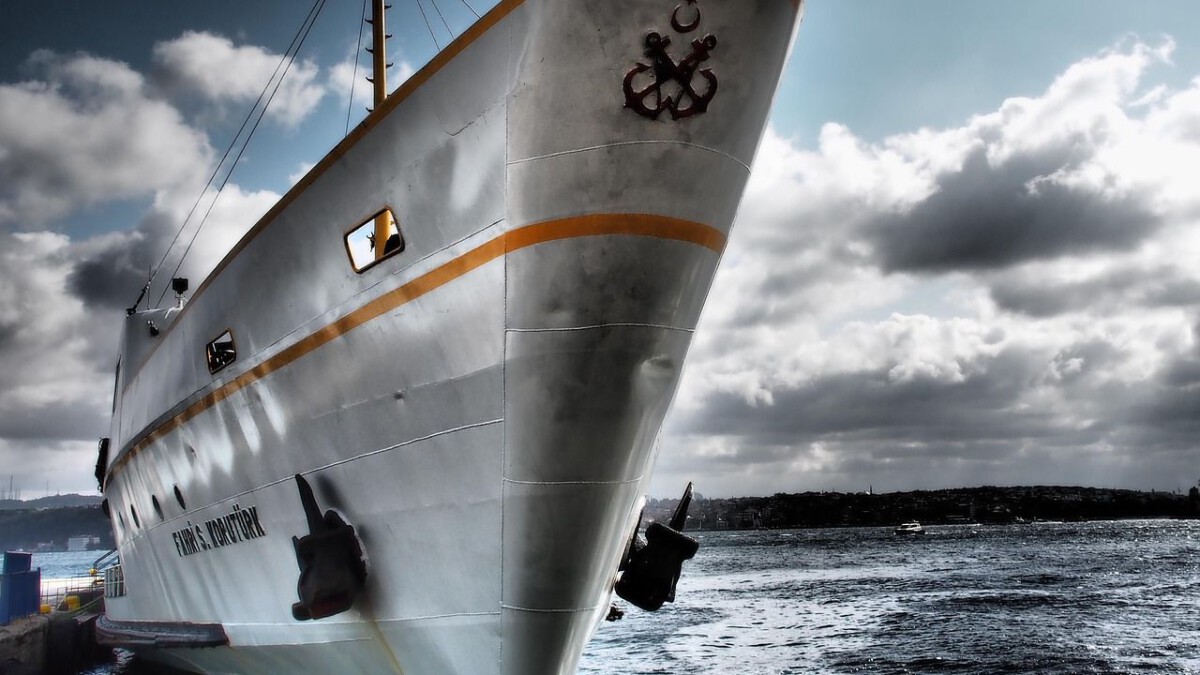
Trump announces new effort to escort ships out of Strait of Hormuz – Image for illustrative purposes only (Image credits: Pixabay)
As tensions escalate in the Strait of Hormuz amid the war with Iran, everyday Americans face the threat of higher gas prices and disrupted supply chains. President Trump addressed this directly on Sunday by announcing Project Freedom, a targeted military effort to escort neutral commercial ships safely out of the vital waterway. The operation begins Monday, offering a practical response to safeguard global trade routes that influence household costs across the United States.
Project Freedom: A Focused Escort Mission
President Trump outlined Project Freedom as a precise initiative to guide ships unaffiliated with the conflict through the Strait of Hormuz. Military vessels will provide protection during transit, ensuring these commercial carriers can exit the area without interference. The announcement emphasized the operation’s narrow scope, avoiding direct engagement while prioritizing safe passage.
This approach builds on longstanding U.S. commitments to freedom of navigation in key maritime zones. Officials described the escorts as routine yet essential given current hostilities. The Monday start date signals urgency, with preparations already underway to deploy assets efficiently.
Why the Strait of Hormuz Matters to Global Trade
The Strait of Hormuz serves as a narrow gateway for much of the world’s oil shipments, making it a focal point during conflicts. Disruptions here ripple through energy markets, affecting refineries and distributors far beyond the region. Neutral ships caught in the crossfire risk delays or losses, which compound pressures on international commerce.
Historical precedents show how blockades or threats in this chokepoint have led to immediate volatility in fuel supplies. Project Freedom directly counters such vulnerabilities by offering a security umbrella for non-combatant vessels. Stakeholders from shipping firms to energy traders have long called for such measures during heightened risks.
The Spark: Ongoing War with Iran
The U.S. became embroiled in war with Iran, creating immediate challenges for maritime security in the Strait. Iranian actions have targeted vessels perceived as hostile, prompting neutral carriers to halt operations or seek alternatives. President Trump’s response positions the U.S. as a stabilizer for unaffected trade.
Diplomatic efforts continue alongside military steps, though the focus remains on de-escalation through demonstrated resolve. The conflict’s expansion into shipping lanes has drawn international concern, with allies monitoring developments closely. Project Freedom emerges as a calibrated tool in this complex environment.
Real Impacts on American Households and Businesses
Escalations in the Strait threaten to drive up gas prices at pumps nationwide, as delays inflate transportation costs for oil and goods. Consumers could see weekly fill-ups cost more, while industries reliant on imports face higher operational expenses. Supply chains for everything from plastics to consumer electronics stand to suffer from prolonged uncertainties.
Businesses along the Gulf Coast, key hubs for refining, prepare for potential surges in demand or shortages. Trucking firms and retailers anticipate pass-through costs to shoppers. To clarify the ripple effects:
- Drivers and commuters: Potential 10-20 cent per gallon increases if routes remain contested.
- Manufacturers: Elevated freight rates squeezing margins on imported materials.
- Grocery chains: Higher costs for transported perishables and staples.
- Airlines: Jet fuel premiums impacting ticket prices.
Project Freedom seeks to mitigate these by restoring confidence in the route, potentially steadying prices in the near term.
Timeline and Expectations Moving Forward
The operation kicks off Monday, with initial escorts prioritizing vessels already in the strait. U.S. Navy coordination will handle logistics, drawing on regional bases for rapid response. Success hinges on clear communication with ship captains and adherence to neutral status protocols.
Longer-term, the mission could expand if threats persist, though officials stress its defensive nature. Monitoring from Washington will assess effectiveness weekly. Allies may contribute intelligence or parallel efforts to broaden coverage.
For American families, the true measure lies in whether gas pumps reflect stability soon. Project Freedom underscores a commitment to economic security amid geopolitical strain, leaving room for cautious optimism as the first convoys depart.