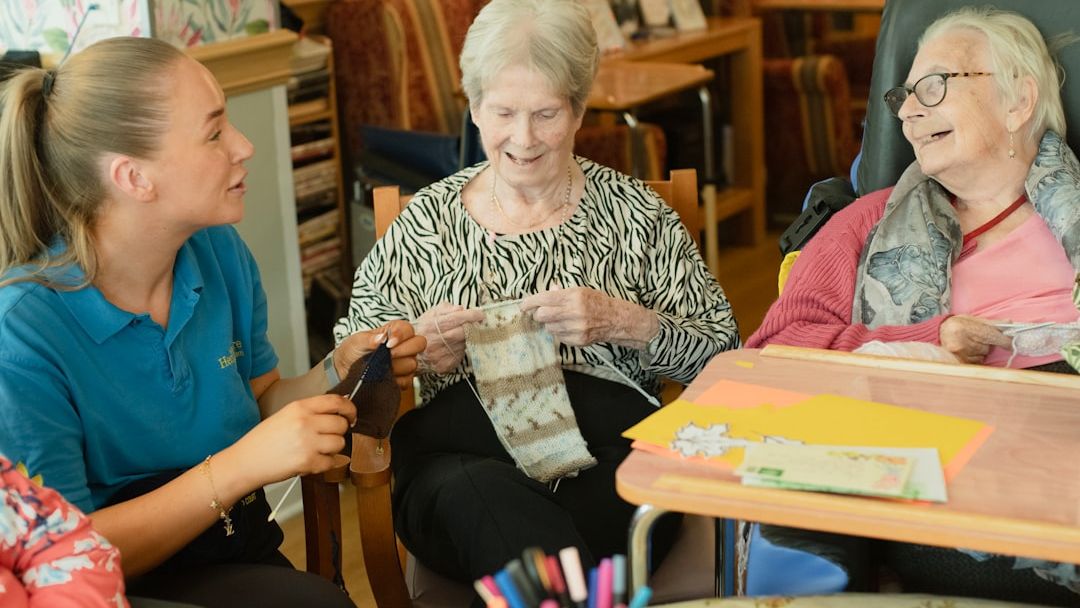
Local Charities Helping Seniors in Georgia – Image for illustrative purposes only (Image credits: Unsplash)
Georgia seniors often face unexpected challenges with food, bills, transportation, or home safety that threaten their independence. Local nonprofits, food banks, and faith groups fill critical gaps by offering targeted assistance tailored to specific counties and ZIP codes. Starting with a simple call to Georgia 2-1-1 or a nearby pantry can connect individuals to the right resources quickly, preventing small issues from escalating.
Starting Points for Immediate Needs
When funds run low or a bill looms, the fastest path involves matching the urgency to a local provider. Food shortages prompt visits to nearby pantries linked through networks like Feeding Georgia, while utility shutoffs lead callers to groups such as St. Vincent de Paul or the Salvation Army. These organizations prioritize short-term crises and often require basic proof like a bill notice or ID.
Transportation to medical appointments relies on county-specific nonprofits that schedule rides in advance. Home safety concerns, from leaky roofs to missing handrails, direct people to repair volunteers with waitlists. Charities emphasize clear communication: state the ZIP code, deadline, and prior efforts to streamline the process.
Food Banks and Pantries as First Stops
Food insecurity affects many older adults, but Georgia’s regional food banks coordinate distributions through local pantries, churches, and senior sites. The Atlanta Community Food Bank map allows address-based searches, with reminders to confirm hours by phone. Feeding Georgia oversees the statewide network, ensuring coverage from metro areas to rural counties.
For those with chronic illnesses unable to cook, programs like Open Hand deliver medically tailored meals, sometimes requiring a referral. Church pantries supplement these efforts, often operating on set days with minimal requirements. Seniors report success by preparing a script: name, ZIP code, and request for the nearest senior box or delivery option.
- Regional food bank: Directs to partner pantries for groceries.
- Church pantry: Serves local areas, may need ID or address proof.
- Specialized meals: Targets health needs with potential referrals.
Faith Groups and Bill Assistance Programs
Churches and faith-based charities provide versatile aid, from gas cards to one-time rent payments, without always requiring membership. St. Vincent de Paul routes callers through a helpline to parish conferences for utilities or mortgages when funds allow. Salvation Army’s Project SHARE tackles shutoffs, focusing on documented crises.
Groups like MUST Ministries aid specific areas such as Cobb and Cherokee with housing support, while Midtown Assistance Center assists working households in central Atlanta ZIP codes. BCM Georgia emphasizes financial education alongside emergency rent help. Callers succeed by leading with the shutoff date, bill amount, and service area.
Specialized Nonprofits for Rides, Repairs, and Care
Nonprofits address mobility and safety uniquely. Senior Services North Fulton offers rides for those 60 and older in several north Atlanta cities, requesting advance notice and optional contributions. Rebuilding Together Atlanta prioritizes low-income senior homeowners for ramps and leak fixes in the metro region.
Caregiver relief comes through programs like AgeWell Atlanta, providing counseling and resource connections, or Respite Care Atlanta’s volunteer-led activities. Georgia Southern Senior Companions extend companionship and light chores in southeast counties. Legal support via Georgia Legal Services Program assists those 60 and older with evictions or benefits outside Atlanta.
Key Phone Tips for Charities: Share age, ZIP code, need, deadline, and documents ready. Request referrals if unavailable.
Navigating Referrals and Next Steps
Diverse communities find tailored options: NFCC offers Spanish resources in North Fulton, while Positive Aging supports LGBTQ+ seniors with inclusive referrals. Rural residents lean on United Way or regional food banks for county matches. A “no” from one group often yields two referrals to others with open funds.
Prepare documents like ID, bills, and income proof to avoid delays, but avoid sending originals prematurely. Charities typically pay providers directly rather than issuing cash, and they excel at one-time aid over ongoing support. Keeping a call log tracks progress amid varying rules.
As Georgia’s senior population grows, these local lifelines underscore the power of community action in preserving dignity and stability. Seniors who act promptly with precise details often secure the bridge needed until stability returns.