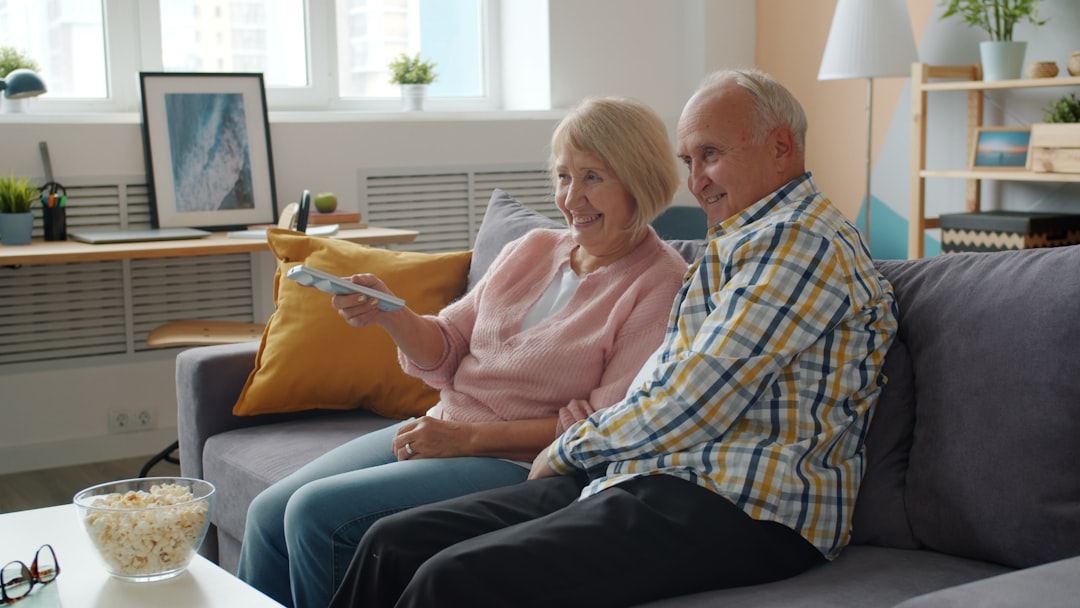
Happiness Boost: Adults Over 60 Report a 12% Increase in Life Satisfaction After Adding One Weekly Social Activity – Image for illustrative purposes only (Image credits: Unsplash)
As populations age worldwide, researchers highlight a straightforward path to enhanced well-being for those over 60: incorporating just one regular social activity each week. Studies reveal this modest change correlates with a 12% rise in reported life satisfaction, underscoring how vital human connections remain in later years. Such findings gain urgency amid rising concerns over isolation, offering seniors a practical tool to foster emotional and physical health.
Building Emotional Foundations Through Regular Interaction
Consistent social engagement stands out in aging studies as a key driver of happiness. Older adults who participate in weekly group activities or casual meetups often describe their lives with greater positivity. This stems from the structure and anticipation these routines provide, breaking cycles of solitude that can erode daily outlook.
Social isolation, by contrast, heightens vulnerability to depression and chronic conditions. Even limited contact counters this by nurturing a sense of belonging. Over months, participants notice compounded effects, with improved mood becoming a steady presence rather than fleeting moments.
Safeguarding Cognitive Vitality
Beyond mood, social pursuits actively support brain function. Conversations and shared endeavors demand attention, recall, and quick thinking, keeping neural pathways engaged. Evidence indicates that seniors maintaining these interactions face reduced odds of cognitive decline or dementia.
Unlike solitary pastimes, group settings layer emotional bonds atop mental challenges, amplifying protection. Regular participation in clubs or classes thus serves as a multifaceted defense, preserving sharpness amid natural aging processes.
Fostering Purpose and Mental Resilience
Social routines instill purpose, a cornerstone of mental health in retirement or transition phases. Attending events or gatherings motivates outings and world engagement, countering stagnation. This renewed drive correlates with fewer depressive episodes and heightened confidence.
The emotional uplift extends to resilience, helping individuals navigate losses or changes. Weekly commitments create reliable anchors, transforming isolation into interconnectedness over time.
Indirect Gains for Physical Health
Socializing often sparks physical movement, from walks to event attendance. Seniors in these routines show better mobility and fitness levels, alongside lower heart disease risks. Group exercises or clubs, even gentle ones like stretching sessions, contribute meaningfully.
These habits create ripple effects: stronger ties link to overall vitality, reducing health setbacks. Research ties such networks to longevity, positioning connection as an accessible wellness strategy.
What Matters Now: Prioritize sustainable starts – local centers, libraries, or online groups offer low-barrier entry points. Virtual options suit mobility limits, delivering comparable rewards.
Embracing Connection for Lasting Impact
Launching this habit requires minimal effort: select an enjoyable pursuit, such as a book discussion or community walk, and commit weekly. Consistency builds momentum, yielding benefits across mental, cognitive, and physical domains. Simplicity proves its strength here, turning intention into enduring change.
These insights affirm that fostering ties remains a potent, evidence-backed approach to thriving in later life. For many over 60, one purposeful step weekly unlocks profound, sustained fulfillment.