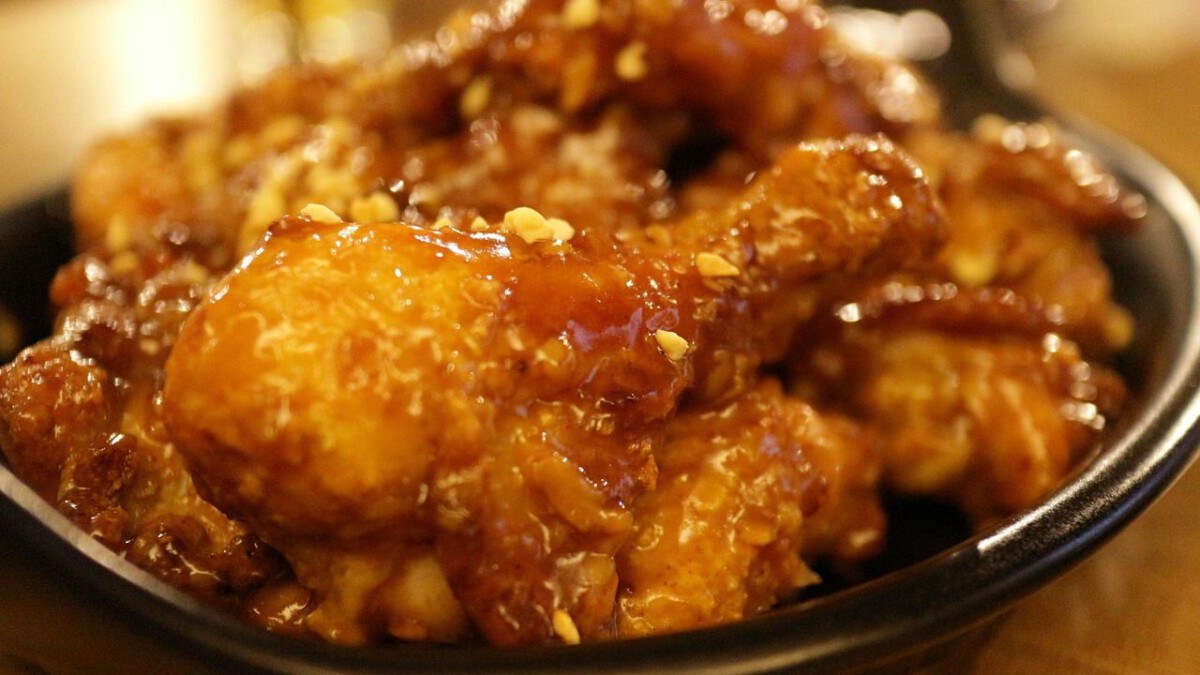
Tyson Foods profit beats estimates on strength in chicken business – Image for illustrative purposes only (Image credits: Pixabay)
U.S. meatpacker Tyson Foods surpassed Wall Street expectations for first-quarter profits, propelled by resilient demand for its chicken products. The Springdale, Arkansas-based company announced results that highlighted a shift in consumer preferences toward more affordable proteins.[1][2] Despite significant losses in its beef operations, overall performance exceeded forecasts, underscoring the poultry segment’s pivotal role in the company’s financial health.
Strong Overall Results Defy Segment Pressures
Tyson Foods posted net sales of $14.31 billion for the quarter ended December 27, 2025, marking a 5.1 percent increase from the prior year and topping analyst estimates of $14.09 billion.[1] Adjusted earnings per share reached 97 cents, outperforming the anticipated 94 cents.[2] Net income stood at $85 million, reflecting a solid start to fiscal 2026.
The results came as consumers navigated economic uncertainties by favoring value-driven options. Tyson’s diversified portfolio helped balance disparate segment outcomes, with chicken providing the necessary lift. Shares showed initial gains post-announcement before moderating.[3]
| Segment | Sales ($B) | Key Metric |
|---|---|---|
| Chicken | 4.212 | $459M operating income |
| Beef | 5.771 | $143M operating loss |
| Pork | 1.609 | N/A |
| Prepared Foods | 2.673 | Top-line growth |
Poultry Powerhouse Delivers Consistency
The chicken division emerged as the standout performer, recording sales of $4.212 billion and adjusted operating income of $459 million, which equated to a healthy 10.9 percent margin.[1] This marked the fifth straight quarter of year-over-year volume increases, even as sales growth moderated slightly from prior periods.[3]
Demand remained robust amid broader protein market dynamics. Consumers shifted toward chicken as a cost-effective alternative, particularly with beef prices at elevated levels. Tyson Chief Operating Officer Devin Cole noted that “consumers increasingly opt for value-oriented protein choices.”[1] Strategic positioning in the segment supported sustained growth.
Beef Segment Grapples with Supply Crunch
In stark contrast, the beef unit posted an adjusted operating loss of $143 million, a sharp reversal from a $6 million profit the previous year.[1] Sales volumes declined 7.3 percent, even as prices surged 17.2 percent, driven by a U.S. cattle herd at its lowest level in 75 years.[2]
Cattle procurement costs escalated by $850 million quarter-over-quarter, fueled by persistent drought conditions that reduced pastures and raised feed expenses. Retail ground beef prices hit $6.69 per pound in December, up 19 percent year-over-year. Tyson responded with operational adjustments, including layoffs at its Lexington, Nebraska plant and scaled-back activities at a facility in Amarillo, Texas.[2]
These measures aimed to align capacity with constrained supplies, though challenges persisted beyond the company’s direct control. The segment’s negative 2.4 percent margin underscored the intensity of the pressures.[3]
Forward Guidance Signals Cautious Optimism
Tyson raised its outlook for several segments, projecting full-year adjusted operating income between $2.1 billion and $2.3 billion. Chicken income expectations climbed to $1.65 billion to $1.9 billion, while beef losses were narrowed in projections.[2] Net sales growth was forecasted at 2 percent to 4 percent, with capital expenditures planned at $700 million to $1 billion.[3]
- Chicken benefits from expected tight cattle supplies through 2027.
- Pork and prepared foods saw upward revisions in income guidance.
- Beef recovery hinges on herd rebuilding and cost stabilization.
Chief Executive Officer Donnie King emphasized the poultry tailwinds: “Demand for chicken should benefit as cattle supplies are expected to remain tight through 2027.”[1] The company anticipates improved free cash flow as initiatives take hold.
As Tyson navigates these divergent trends, the earnings beat reinforces its adaptability in a volatile protein market. With consumer preferences leaning toward affordability and supply constraints reshaping the landscape, chicken’s momentum positions the firm for potential steadiness ahead, even as beef recovery remains a watchful endeavor.