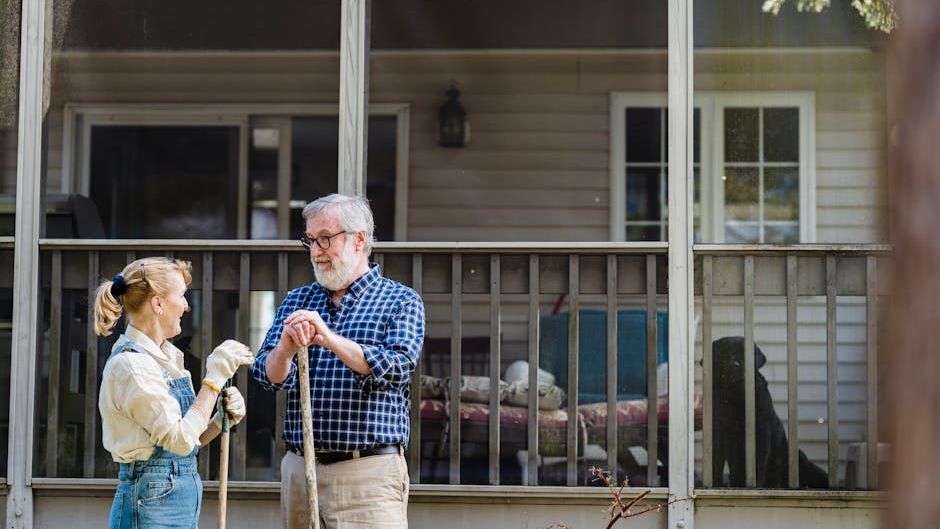
Hidden Risk: Older Senior Communities (30–50 Years Old) Are Now Failing Safety Standards – Image for illustrative purposes only (Image credits: Pexels)
Senior living facilities constructed three to five decades ago once served a generation with fewer mobility challenges and shorter lifespans. Today, as residents endure longer lives marked by complex health issues, these structures reveal critical safety gaps. Falls, fires, and infrastructure failures have turned subtle flaws into pressing threats, prompting closer scrutiny across the United States.
Safety Standards Outpace Original Designs
Communities built in the 1970s and 1980s followed building codes tailored to healthier, more independent seniors. Narrow corridors, steep ramps, and bathrooms lacking support rails reflected those era’s assumptions. Current regulations demand wider pathways, level thresholds, and reinforced fixtures to accommodate walkers, wheelchairs, and diminished balance.
Residents now face elevated fall risks in these unchanged spaces. A simple trip on uneven tiles or a struggle with tight doorways can lead to fractures and extended hospital stays. Facility operators acknowledge that retrofitting remains uneven, leaving many properties vulnerable to everyday accidents.
Infrastructure Wear Amplifies Daily Dangers
Over time, electrical wiring, plumbing, and ventilation systems in older buildings deteriorate without vigilant upkeep. Frayed cables pose fire ignition points, while outdated ducts circulate stale air, exacerbating respiratory conditions common among seniors. Heating inconsistencies add to discomfort and hypothermia risks during colder months.
These issues often stay concealed until a breakdown occurs. For instance, insufficient power capacity hinders installation of contemporary alert devices or medical equipment. Operators grappling with rising repair costs sometimes prioritize visible areas, allowing foundational problems to fester.
Fire Protection Lags Behind Evolving Rules
Fire codes have tightened considerably since the mid-20th century, mandating automatic sprinklers, smoke detectors in every room, and clear egress routes. Many vintage senior homes retain manual alarms and clustered exits ill-suited for frail evacuations. Mobility-impaired individuals require extra time, turning seconds into life-or-death margins.
Recent inspections highlight how these deficiencies compound during emergencies. Without pressurized stairwells or voice evacuation systems, confusion spreads rapidly. Upgrades, though proven to save lives, demand substantial investment that not all facilities pursue promptly.
What Matters Now
Rising senior populations strain existing stock, spotlighting facilities unable to adapt. Demand surges while new construction lags, forcing choices between convenience and safety.
Steps to Evaluate and Mitigate Risks
Prospective residents or families can uncover issues through targeted inquiries. Inspect for non-slip surfaces, adequate illumination in hallways, and grab bars near toilets and showers. Request documentation on compliance with the Americans with Disabilities Act and recent fire drills.
Observe maintenance routines firsthand – check for fresh paint masking cracks or persistent odors signaling plumbing woes. Engage current dwellers discreetly about response times to past incidents. These checks reveal whether a community invests proactively in resident well-being.
- Verify sprinkler and alarm system ages.
- Assess elevator reliability and backup power.
- Review renovation timelines from the past decade.
- Examine emergency plans for mobility accommodations.
Prioritizing verified safety features preserves independence and averts steep medical expenses. As awareness grows, forward-thinking communities retrofit aggressively, bridging the gap for tomorrow’s elders. The shift underscores a broader imperative: infrastructure must evolve with those it shelters.