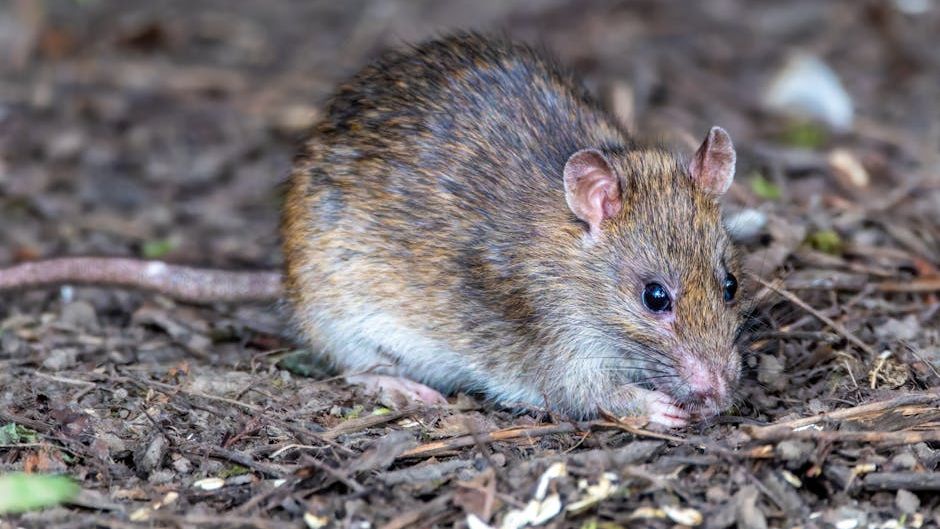
What causes hantavirus in the US? – Image for illustrative purposes only (Image credits: Pexels)
The Centers for Disease Control and Prevention has documented 890 laboratory-confirmed cases of hantavirus disease in the United States since surveillance began in 1993. This total includes both hantavirus pulmonary syndrome and milder infections, with roughly half concentrated in the Southwest. The pattern points to a consistent environmental driver rather than random outbreaks.
Transmission Through Everyday Rodent Exposure
People contract the virus primarily by inhaling particles from infected rodents’ urine, droppings, or saliva that have become airborne. Direct contact with these materials or, in rare instances, a rodent bite can also transmit the pathogen. Most infections occur when individuals disturb rodent nests or clean enclosed spaces without proper protection.
The virus does not spread easily from person to person in the United States. This limited human-to-human transmission distinguishes it from many other respiratory illnesses and keeps the focus squarely on rodent control.
Common Carriers and Regional Differences
The deer mouse serves as the main reservoir for the strain that causes most U.S. cases. Other rodents, including certain rats and mice found in the Southeast and Northeast, carry different strains that produce similar illness. Ground squirrels, chipmunks, and gophers have also tested positive in some studies, broadening the list of potential sources.
Ten states have reported no cases at all since tracking started. In contrast, states west of the Mississippi River account for the large majority of infections, reflecting both rodent populations and human activity in rural or semi-rural settings.
Case Trends and What Remains Unknown
Annual reports typically range between 10 and 50 confirmed infections, though numbers can fluctuate with weather patterns that affect rodent numbers. The Four Corners region and California together represent a significant share of the national total.
Researchers continue to examine why some exposed individuals develop severe lung involvement while others experience only mild symptoms. No vaccine exists, and treatment remains supportive, underscoring the importance of prevention over cure.
Practical Steps to Reduce Risk
Health authorities recommend several straightforward measures for anyone living or working in areas where rodents are common:
- Ventilate and wet down potentially contaminated areas before cleaning to limit dust.
- Wear gloves and a respirator when handling rodent droppings or nesting material.
- Seal entry points around homes and outbuildings to keep rodents out.
- Store food in rodent-proof containers and remove brush or debris near structures.
These actions address the root exposure pathway without requiring specialized equipment in most situations.
Continued surveillance by the CDC provides the clearest picture yet of where and how hantavirus persists in the United States. While the overall risk to the general population stays low, awareness of rodent habitats remains the most effective safeguard.