
Peanut Butter and Jelly Sandwich
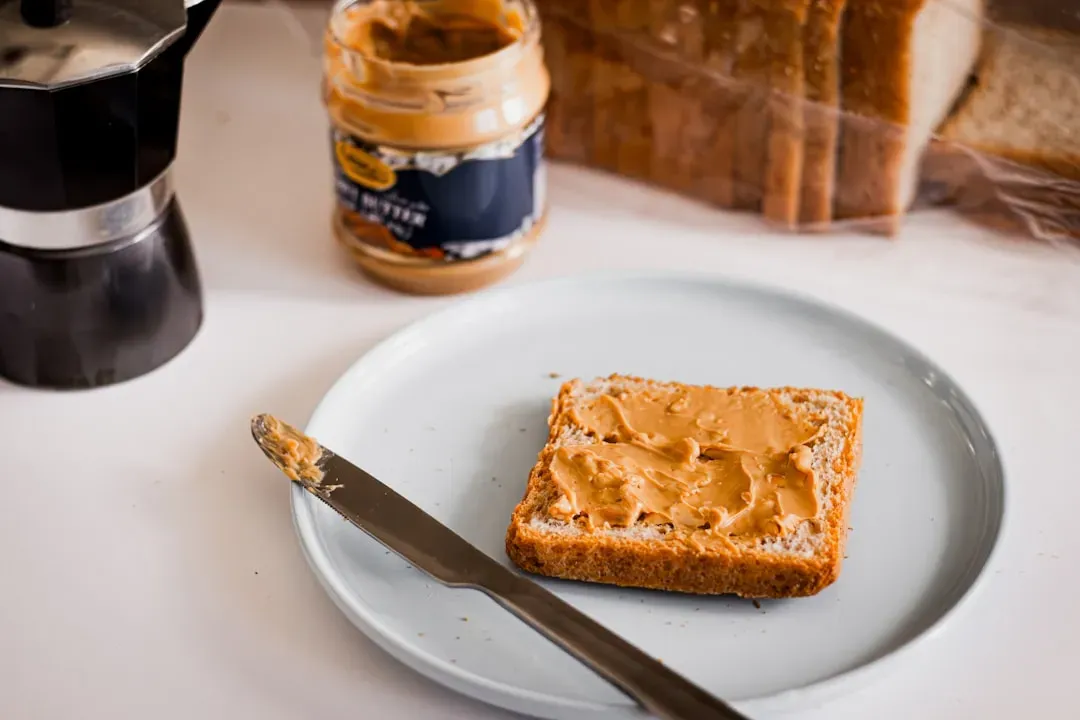
The peanut butter and jelly sandwich appeared on school trays as early as the 1950s. It offered an easy, no-cook option that used surplus peanut butter from government programs. Kids could count on it appearing several times a month alongside milk and fruit.
By the 1960s it had become a staple because it traveled well and needed little refrigeration. Cafeteria workers often paired it with carrot sticks or apple slices. The sandwich stayed popular even as menus added more hot items, and it still shows up in many districts today.
Fish Sticks
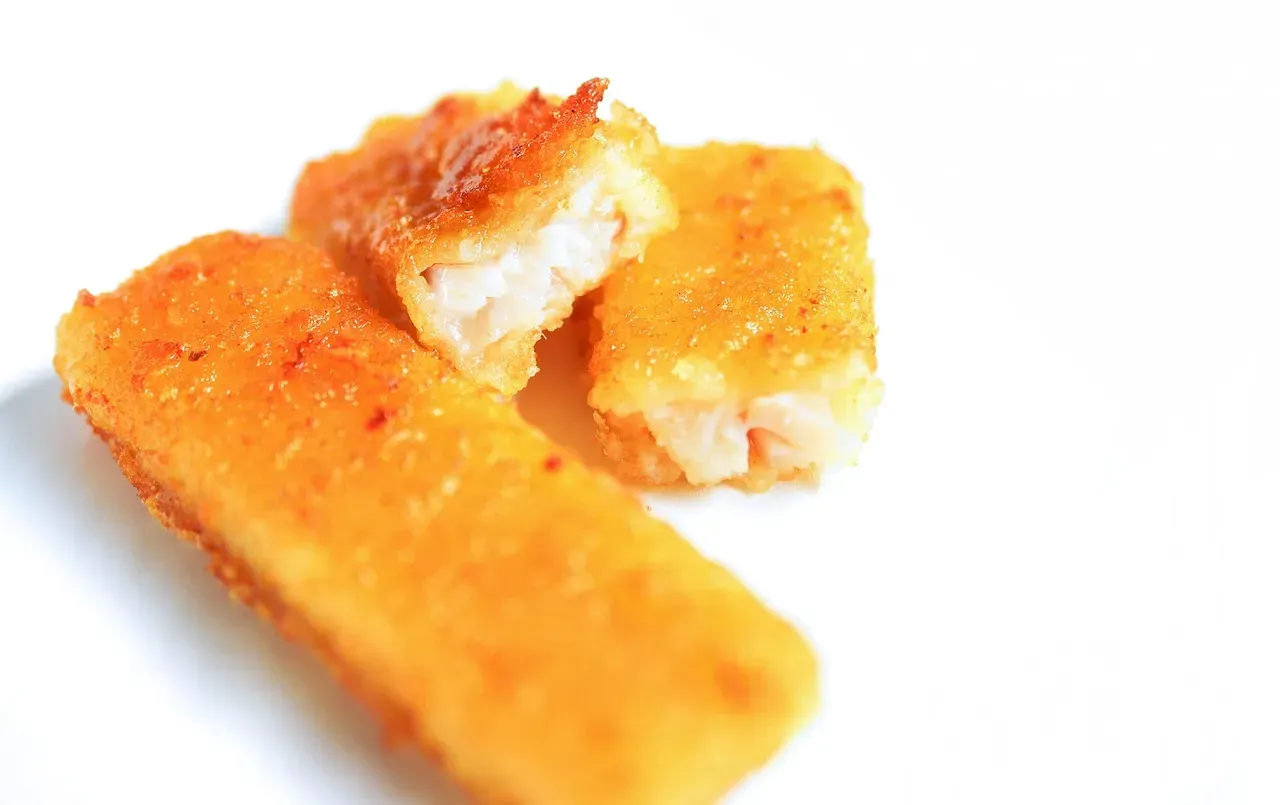
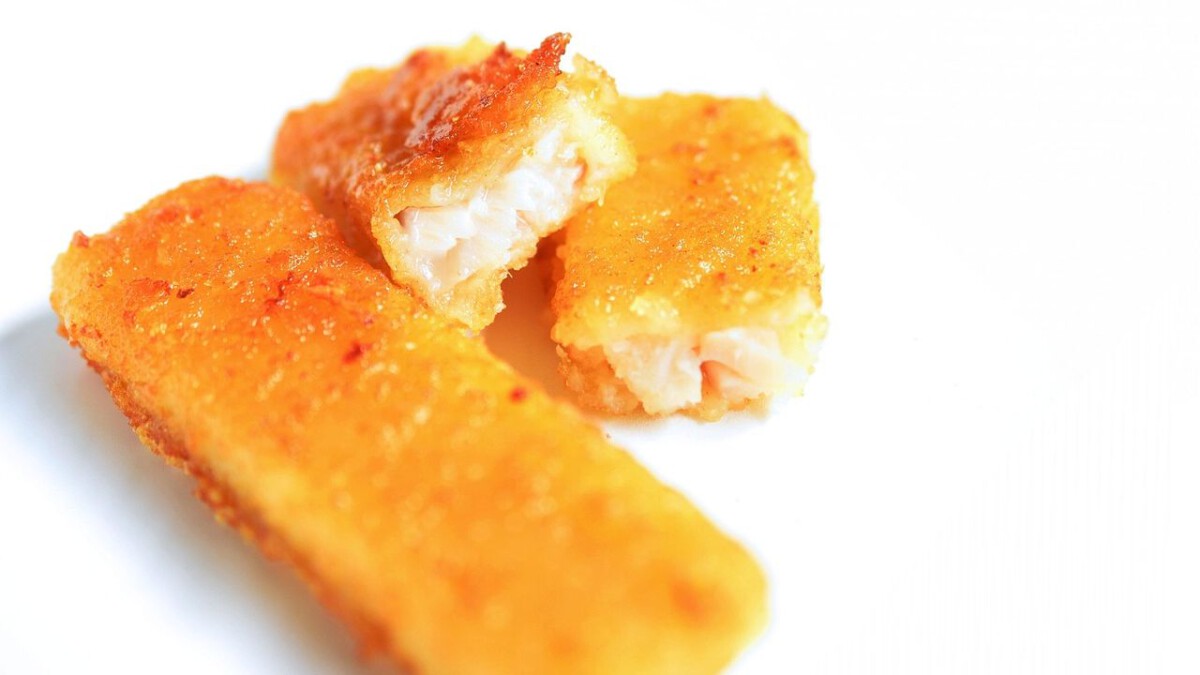
Fish sticks entered school cafeterias right after World War II. They gave schools a cheap way to serve protein using frozen blocks of fish that the government had in surplus. Breaded and baked or fried, they fit the Type A lunch pattern set by the USDA.
Students in the 1950s and 1960s often saw them on Fridays or during Lent. The sticks came with tartar sauce or ketchup and a side of peas or corn. Their crisp coating and mild flavor made them a reliable crowd pleaser for decades.
Salisbury Steak
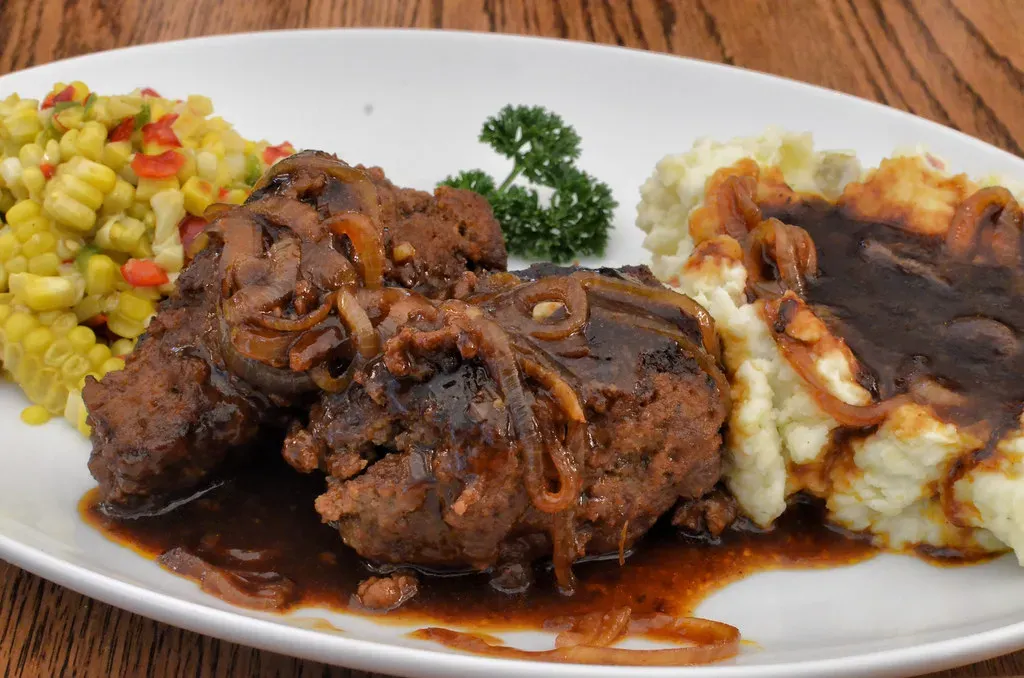
Salisbury steak became common in the 1950s as schools looked for hearty, economical main dishes. Ground beef mixed with breadcrumbs and onions formed the patties, which were then smothered in gravy. The meal met protein requirements while stretching limited budgets.
Cafeterias served it with mashed potatoes and green beans. The dish stayed on menus through the 1970s because it reheated well in large batches. Many adults still recall the distinctive smell of the gravy filling the lunchroom.
Rectangular Pizza
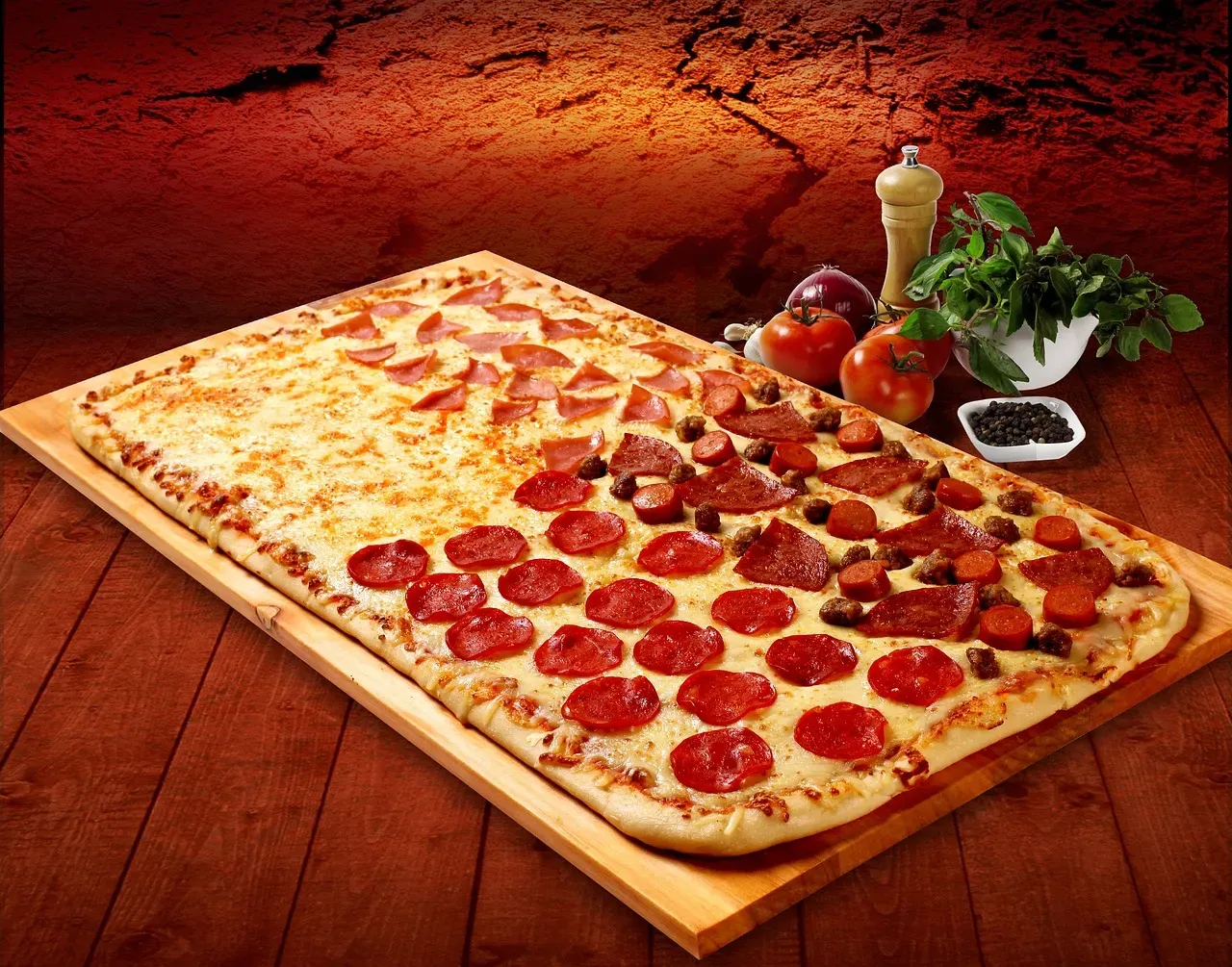
Rectangular pizza arrived in school cafeterias during the 1960s. Schools bought frozen sheets that baked quickly on sheet pans and cut into neat squares. The simple cheese and tomato topping appealed to children who were just discovering pizza outside the home.
By the 1970s it appeared weekly in many districts. Workers often added a small salad or corn on the side. The format remained popular because it was fast to prepare and easy to portion for hundreds of students at once.
Sloppy Joes
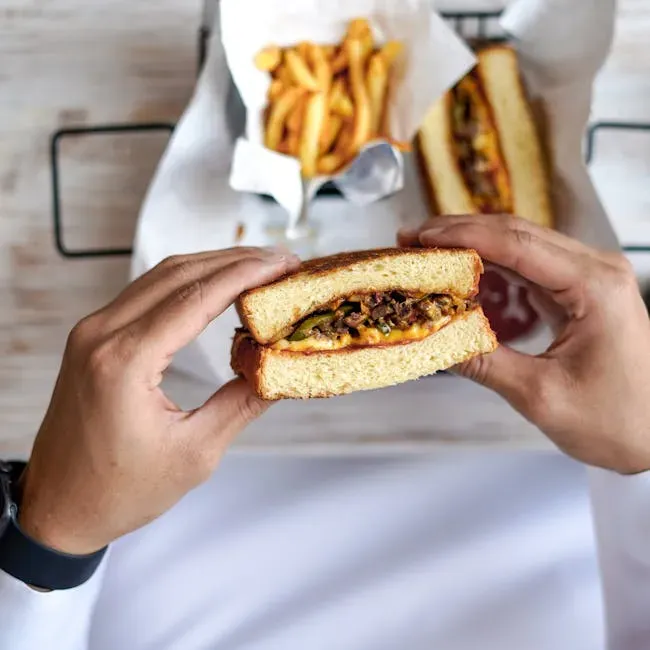
Sloppy Joes gained a steady place on menus by the late 1960s. Ground beef simmered in tomato sauce and spices filled soft buns that students could eat with their hands. The dish used inexpensive ingredients and stretched further than plain hamburgers.
Cafeteria staff served it with tater tots or coleslaw. The messy nature became part of the fun for kids. USDA recipe books from the 1980s still listed it as a standard sandwich option for school kitchens.
Chicken Nuggets
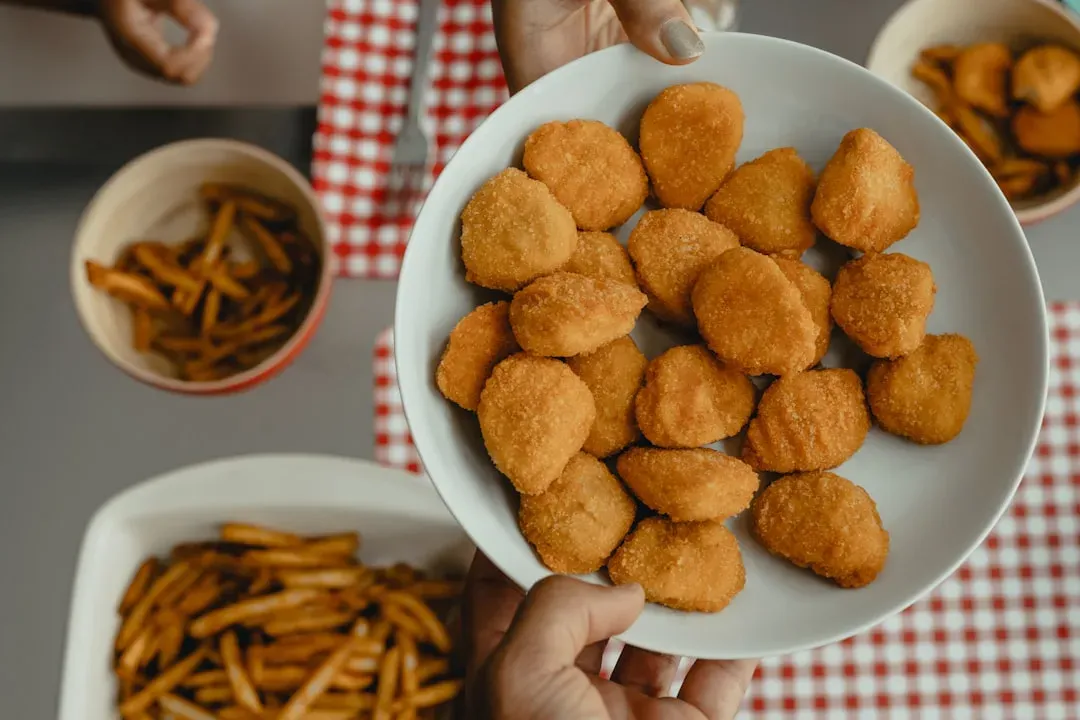
Chicken nuggets rose in popularity during the 1980s as processed poultry products became widely available. Schools bought pre-breaded, frozen pieces that cooked in minutes. The bite-sized shape made them easy for younger children to manage.
They often came with a small cup of barbecue or sweet-and-sour sauce. By the 1990s nuggets appeared alongside fries or mixed vegetables. Their mild taste and familiar fast-food style kept them on rotation even after nutrition standards tightened.
Tater Tots
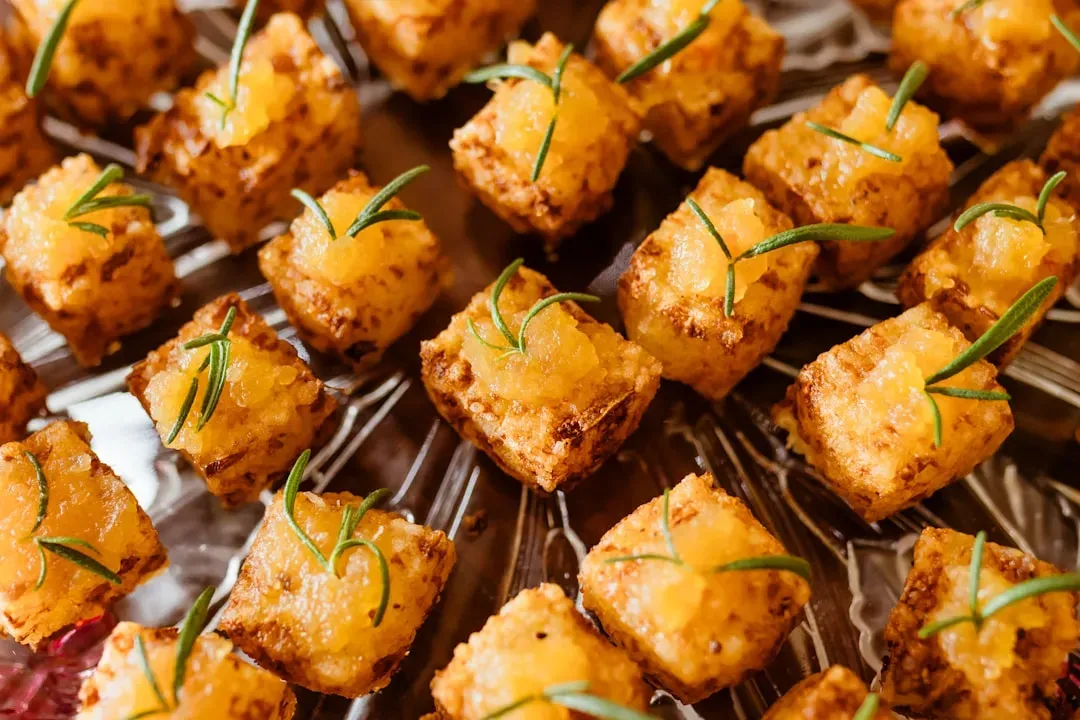
Tater tots joined school menus in the mid-1970s. The small, crispy potato cylinders offered a convenient vegetable side that children actually liked. Schools bought them frozen and baked them in large quantities.
They paired naturally with burgers, nuggets, or sloppy joes. The tots provided a starchy contrast to the main protein. Their popularity has lasted because they reheat well and require almost no preparation beyond the oven.
Corn Dogs

Corn dogs showed up more regularly in the 1970s and 1980s. The hot dog on a stick, dipped in cornmeal batter and deep-fried, gave students a handheld meal. Schools could prepare dozens at a time in a single fryer.
They usually came with mustard packets and a side of baked beans or fruit. The novelty of eating lunch on a stick made them a treat on special days. Many districts still offer them occasionally as a nod to classic cafeteria fare.
Cheeseburgers
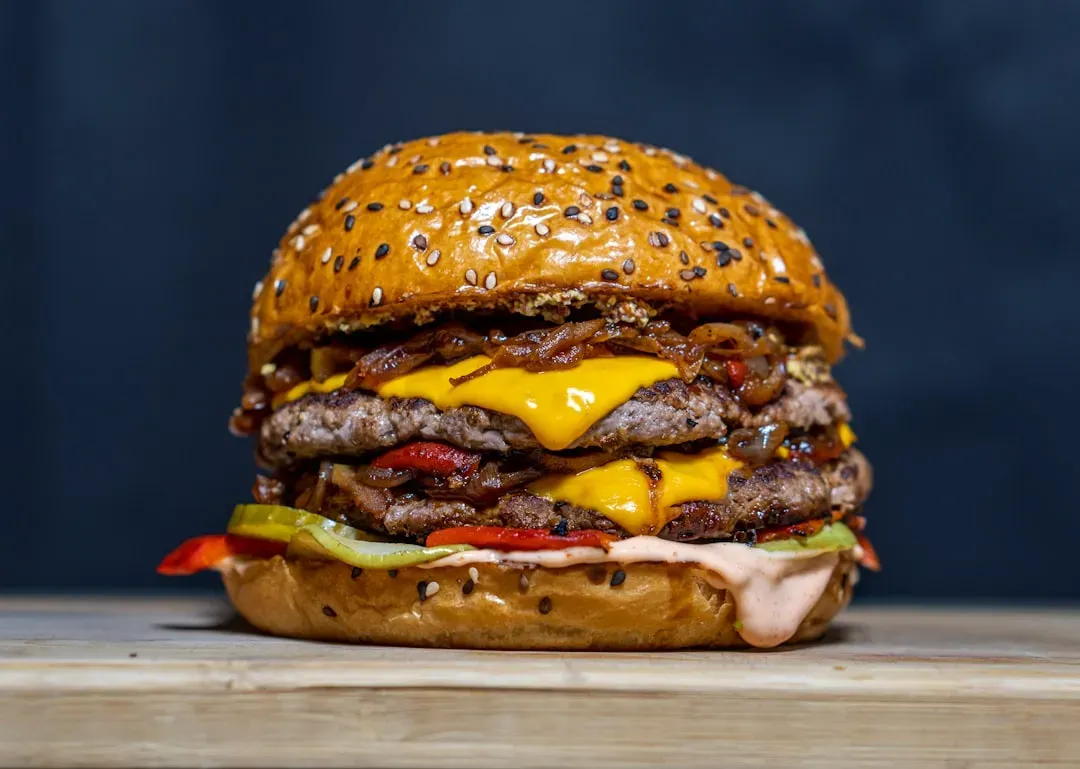
Cheeseburgers became a weekly feature by the late 1970s. Ground beef patties cooked on griddles and topped with American cheese slices fit the growing demand for familiar fast-food items. Buns arrived pre-sliced and ready to assemble.
Schools served them with lettuce, tomato, and pickles when available. The burgers met protein guidelines while satisfying student preferences. Their presence helped cafeterias compete with outside lunch options that grew more common in later decades.
Macaroni and Cheese
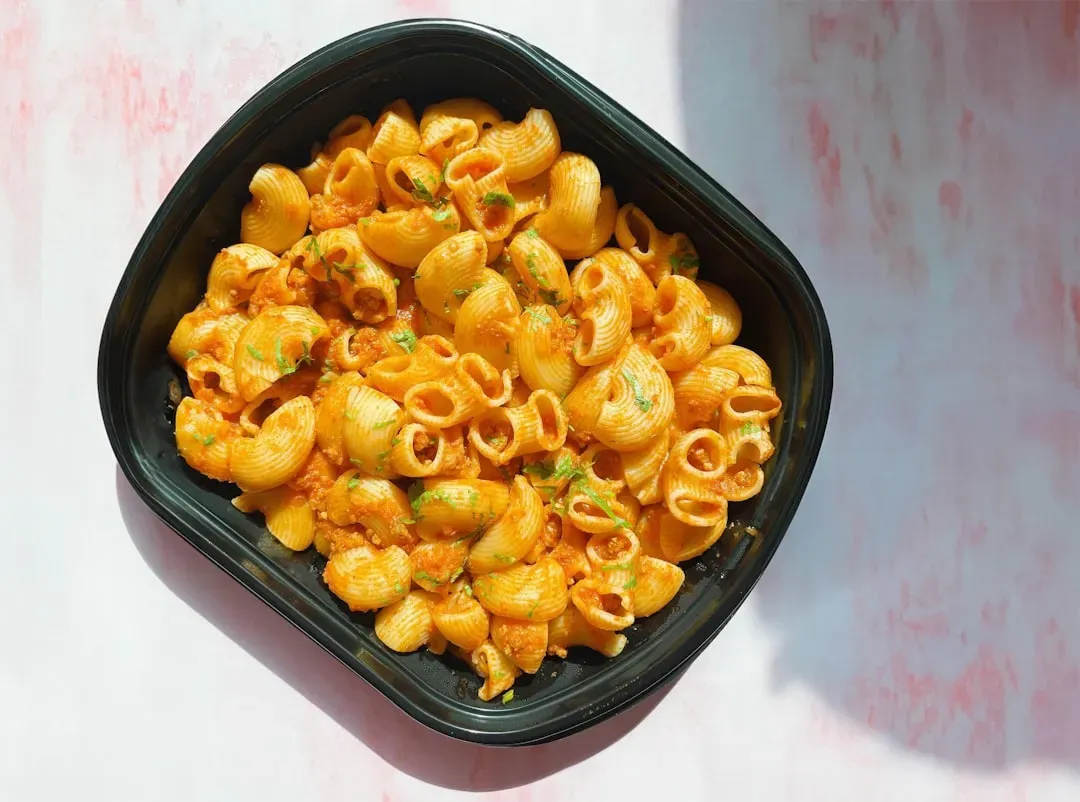
Macaroni and cheese appeared consistently from the 1950s onward. Elbow pasta mixed with a creamy cheese sauce created a comforting, filling dish that used surplus dairy products. Large steam tables kept it hot for serving lines.
Cooks often added breadcrumbs on top for texture. The meal paired with green peas or a small salad. Its simple flavor and soft texture made it a favorite across age groups, and updated versions with whole-grain pasta still appear in many schools today. Looking back across these decades shows how school lunches balanced cost, convenience, and kid appeal while reflecting broader changes in American food culture.