

Everyday language shapes how others see us and how we see ourselves. Small choices in wording can quietly chip away at personal assurance without anyone noticing at first.
Communication experts have pointed out several common terms that signal hesitation or self doubt. Replacing them often leads to clearer exchanges and a steadier sense of self.
Just

The word just slips into requests and explanations all the time. It shrinks the importance of what follows and makes the speaker sound as though they are asking for permission rather than stating a need. Over repeated use this pattern trains the brain to treat its own ideas as minor interruptions.
Recent advice from workplace communication specialists shows that dropping just helps messages land with more weight. People who swap it for direct phrasing report feeling more in control during meetings and emails. The shift builds a habit of owning statements instead of softening them first.
Sorry
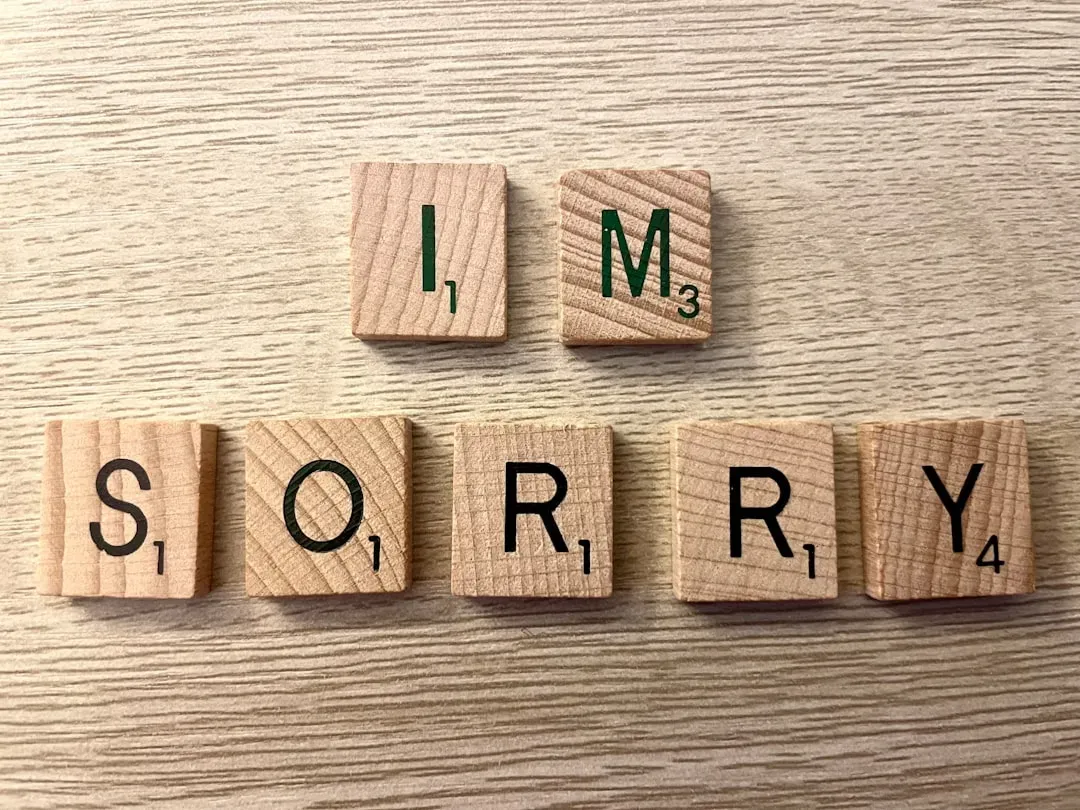
Sorry appears in countless daily interactions even when no real fault exists. It frames ordinary actions as burdens on others and plants the idea that speaking up requires an apology. Studies on self esteem link frequent unnecessary apologies to lower feelings of personal power over time.
Experts writing in 2025 noted that this habit can make listeners view the speaker as less capable. Cutting back on sorry for non mistakes preserves respect in conversations. The change also reinforces an internal sense that one deserves space without extra explanation.
Maybe
Maybe turns firm thoughts into possibilities and leaves room for immediate dismissal. It signals uncertainty even when the speaker holds a clear view. This repeated softening can erode the ability to stand behind decisions in both personal and professional settings.
Articles on assertive language from the past year describe how replacing maybe with direct alternatives strengthens perceived credibility. Listeners respond more readily to statements that carry no built in escape hatch. Over weeks the practice helps the speaker feel more decisive in daily choices.
Actually

Actually often sneaks in to correct or qualify statements that did not need adjustment. It implies the previous words were somehow off base and adds an unnecessary layer of doubt. The pattern can make simple facts sound like afterthoughts rather than solid points.
Communication coaches observe that trimming actually leads to smoother dialogue and greater self assurance. Speakers who avoid it project steadier knowledge without extra qualifiers. The result is a gradual lift in how confidently ideas are shared and received.
Basically

Basically reduces complex points to oversimplified versions and suggests the speaker lacks full command of the topic. It acts as a verbal shrug that downplays the value of the information being shared. Frequent use can leave both the speaker and listener with a diminished view of the contribution.
Recent guidance on clear expression recommends swapping basically for precise wording. This adjustment keeps explanations sharp and prevents the habit of self minimization. People notice they feel more authoritative once the word fades from regular rotation.
Probably

Probably injects doubt into statements that could stand on their own. It turns confident observations into guesses and invites others to question the speaker further. The word becomes a default that quietly undercuts certainty in routine talk.
Experts in 2025 highlighted how removing probably strengthens both delivery and internal belief. Direct phrasing replaces the hedge and helps ideas carry more impact. The daily practice supports a growing sense of reliability in one own voice.