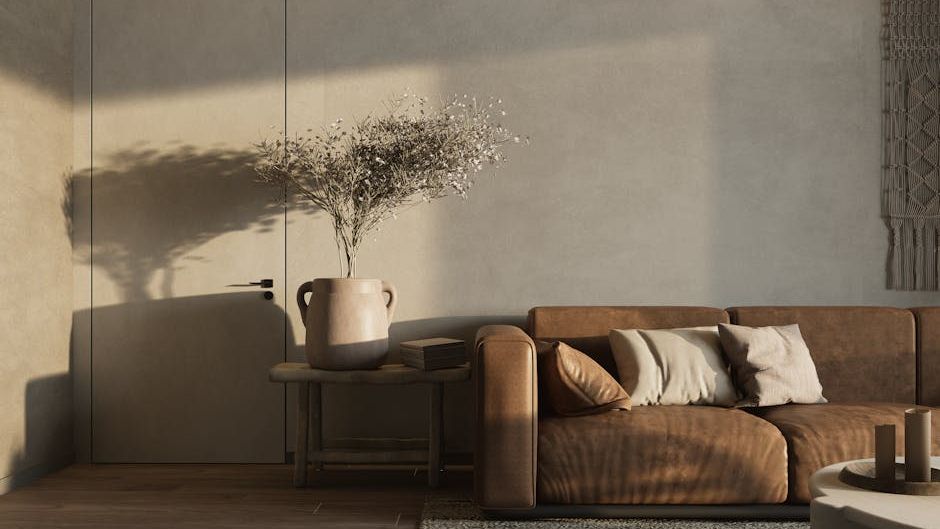

People often expect their homes to offer comfort and safety. Yet certain rooms or features can trigger unease almost right away. Research in environmental psychology shows how physical surroundings shape emotional responses in measurable ways.
Everyday elements like visual disorder or limited natural features play larger roles than many realize. These influences appear across different age groups and living situations. Understanding them helps explain why some spaces feel off even when nothing obvious seems wrong.
Clutter Creates Constant Visual Demands

A 2025 study published in the Journal of Environmental Psychology found that people who rate their homes as more cluttered report lower well-being and higher levels of negative feelings. This visual overload keeps the brain processing unfinished tasks and competing objects. Women in particular show stronger stress responses tied to household mess.
Clutter also reduces the sense of psychological attachment to a space. Daily exposure to disorganized piles raises cortisol levels throughout the day for many individuals. Over time this pattern contributes to fatigue and reduced focus in the very place meant for rest.
Household Chaos Signals Lack of Control
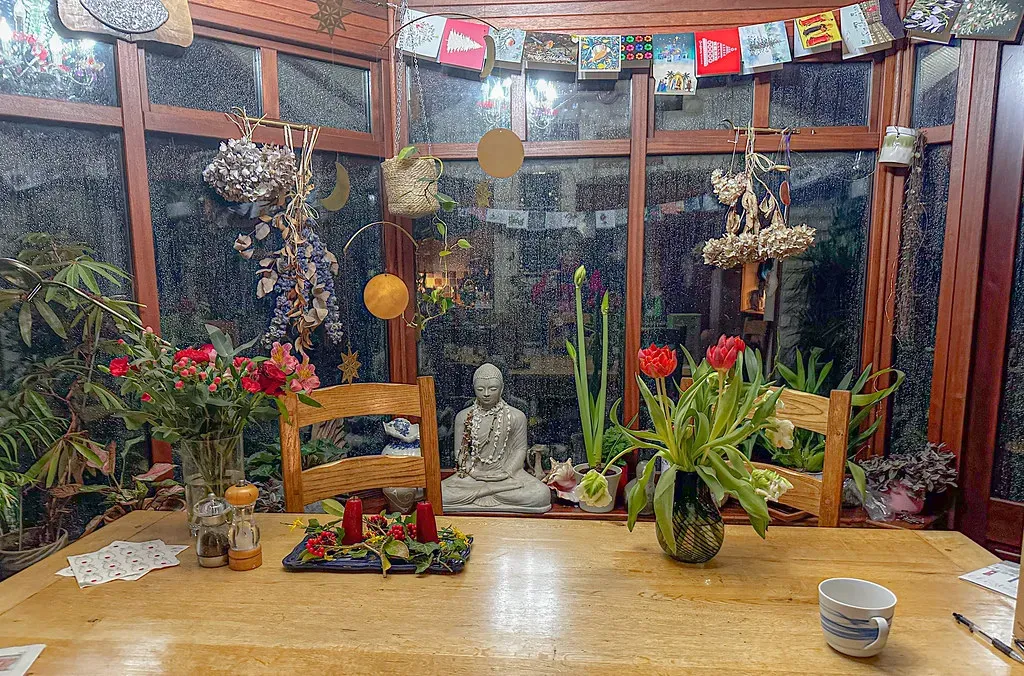
Adolescents who perceive their homes as more chaotic than their siblings experience higher rates of anxiety and depression by early adulthood. A 2024 study in Psychological Science tracked twins and showed these subjective views predicted poorer mental health outcomes years later. The feeling of unpredictability in daily routines amplifies tension even in familiar rooms.
Chaotic environments increase mental load because the brain works harder to filter constant disorder. This effect holds across identical and fraternal twin pairs. Simple shifts toward more structure often ease the immediate sense of unease.
Poor Lighting Disrupts Natural Rhythms

Dim or harsh artificial lighting in living areas can heighten feelings of restlessness. Research links inadequate light exposure to disrupted sleep patterns that carry over into daytime anxiety. Spaces without enough natural daylight tend to feel more confining during extended periods indoors.
Layered lighting options help restore a sense of calm by mimicking outdoor conditions. People notice quicker relaxation when warm, adjustable sources replace single overhead fixtures. Consistent low light levels compound stress in rooms used for both work and downtime.
Limited Greenspace Heightens Vulnerability
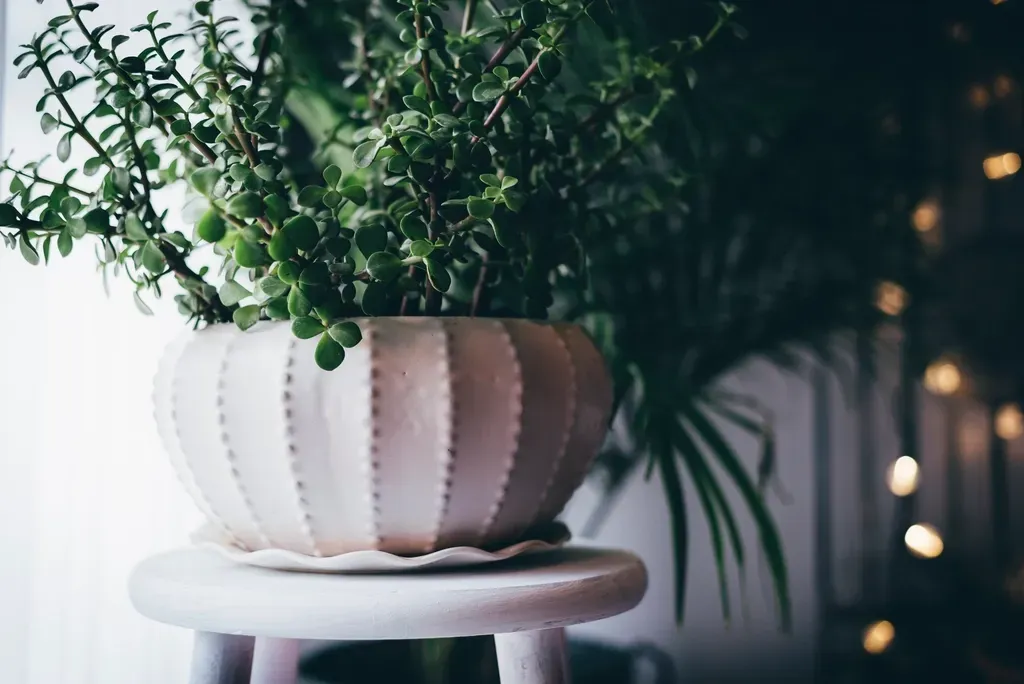
Children with greater surrounding greenspace at home and school show fewer anxiety symptoms over time. A 2024 Spanish study followed participants from preschool through preadolescence and confirmed the protective link. The benefit appears stronger for those from lower socioeconomic backgrounds.
Access to even small natural views or plants indoors correlates with better emotion regulation. Urban homes lacking nearby parks or trees miss this buffer against daily stressors. Adding indoor greenery offers a practical step toward calmer interiors.
Dense Urban Profiles Correlate with Specific Symptoms
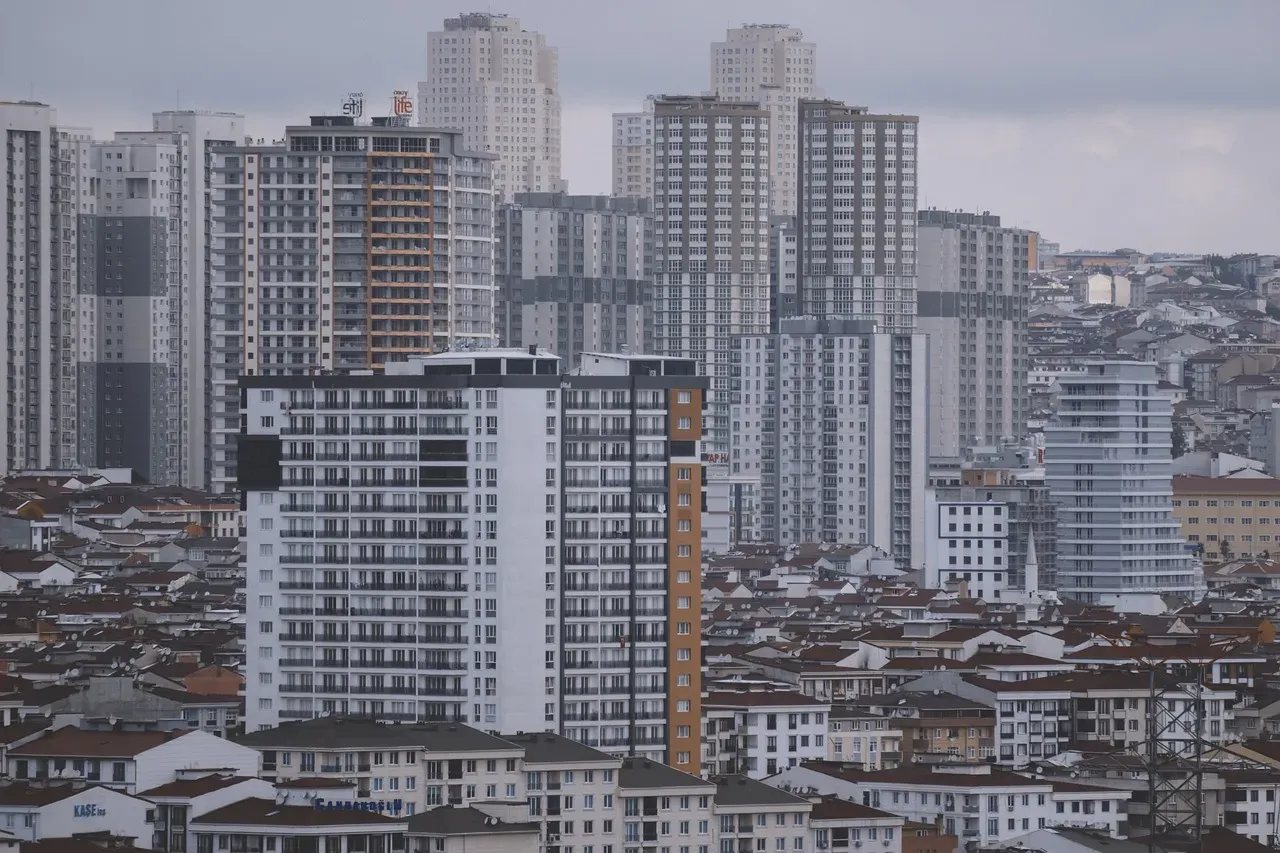
Certain combinations of high building density and limited open space link to increased affective symptoms including anxiety. A large-scale analysis of urban environments identified these patterns through brain imaging and symptom tracking. Protective factors like generous green coverage reduce the association.
Proximity to nature elements such as water or parks shows consistent inverse relationships with anxiety measures. Residents in denser zones report more frequent tension tied directly to their immediate surroundings. Thoughtful placement of windows or balconies can partially offset these effects.
Overcrowded Rooms Limit Personal Space
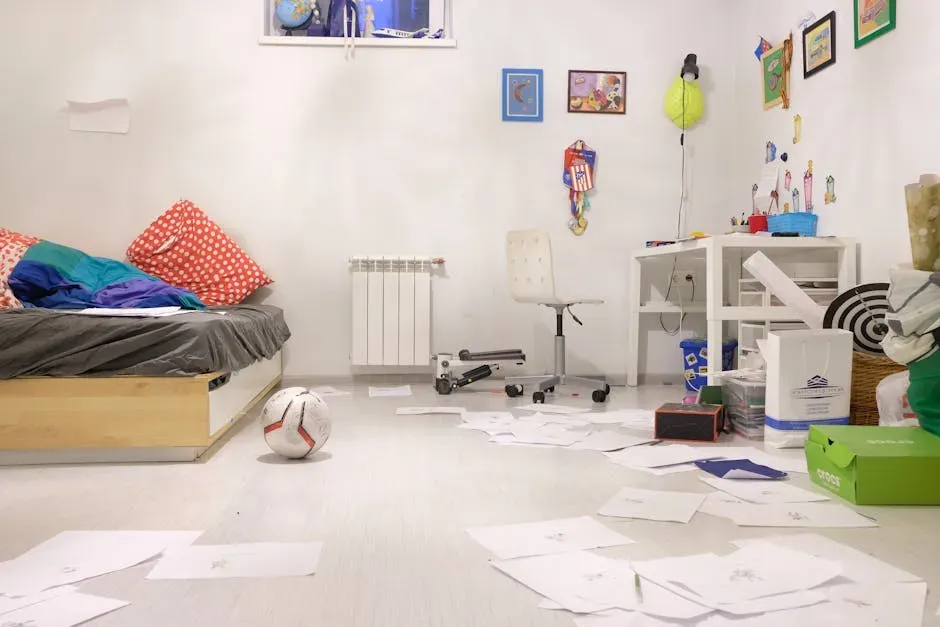
Spaces filled beyond comfortable capacity trigger avoidance behaviors in many people. The brain registers constant proximity to objects or furniture as a mild threat to movement and privacy. This response builds quickly upon entering the area.
Even temporary overcrowding during gatherings leaves lingering unease afterward. Studies on residential environments note that perceived lack of personal territory raises baseline stress. Rearranging furniture for clearer pathways often brings noticeable relief.
Color Choices Influence Mood Stability
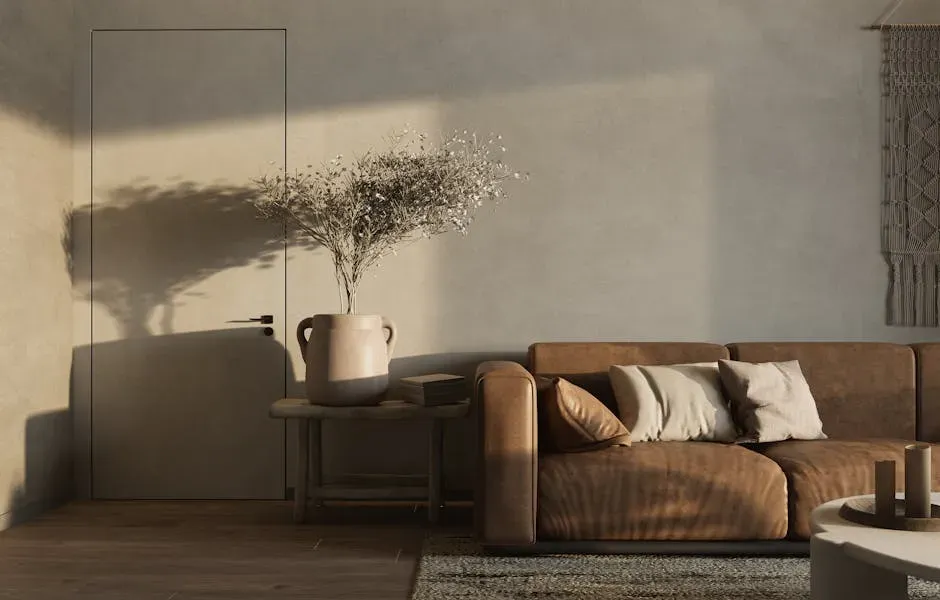
High-contrast or overly stimulating color schemes increase visual noise in living spaces. Calmer palettes with muted tones reduce the mental effort required to process the room. Research on interior environments shows these choices affect daily emotional baselines.
Soft neutrals and consistent undertones create harmony that supports relaxation. People report faster settling into spaces with lower visual contrast. Over time mismatched colors contribute to subtle but persistent discomfort.
Residential Mobility Undermines Attachment

Frequent moves correlate with elevated risks of anxiety and depression according to an eight-year longitudinal study. Each relocation often places individuals in less familiar or lower-quality environments. The repeated disruption prevents full psychological settling into any single space.
Those experiencing ongoing mental health challenges tend to relocate into areas with higher deprivation levels. This cycle reinforces feelings of instability tied to the home itself. Stable housing supports stronger emotional connections over time.
Sensory Overload from Multiple Elements Compounds Effects

Combining clutter, poor light, and noise creates cumulative strain on the nervous system. The brain processes these inputs simultaneously and registers them as ongoing demands. Research on home environments links such combinations to higher reported stress.
Even moderate levels of multiple stressors produce stronger reactions than any single factor alone. Individuals notice quicker tension when entering rooms with layered challenges. Addressing one element at a time yields measurable improvements in comfort.
Reflecting on Personal Patterns Offers a Path Forward
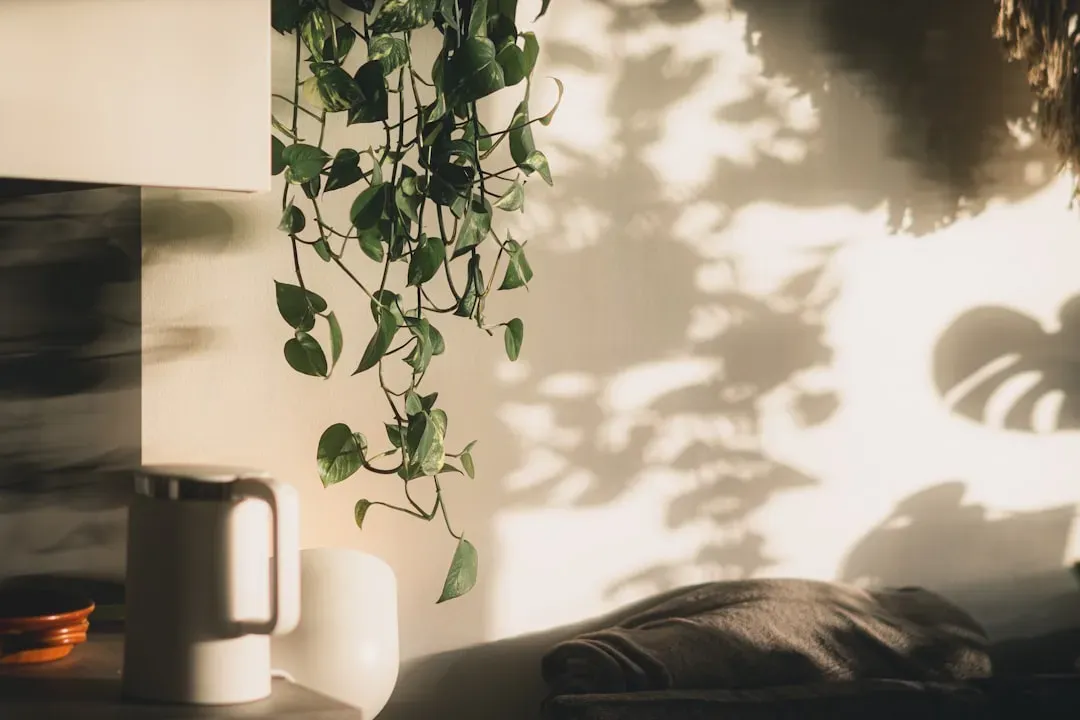
Recognizing which specific features trigger unease allows targeted adjustments rather than wholesale changes. Small modifications like clearing surfaces or adding plants often shift the immediate emotional tone. These steps build on evidence that environment and mood remain closely connected.
Over months or years consistent attention to these details supports steadier daily experiences at home. The goal remains creating spaces that align with individual needs instead of fighting against them. Subtle awareness turns ordinary rooms into more supportive places.