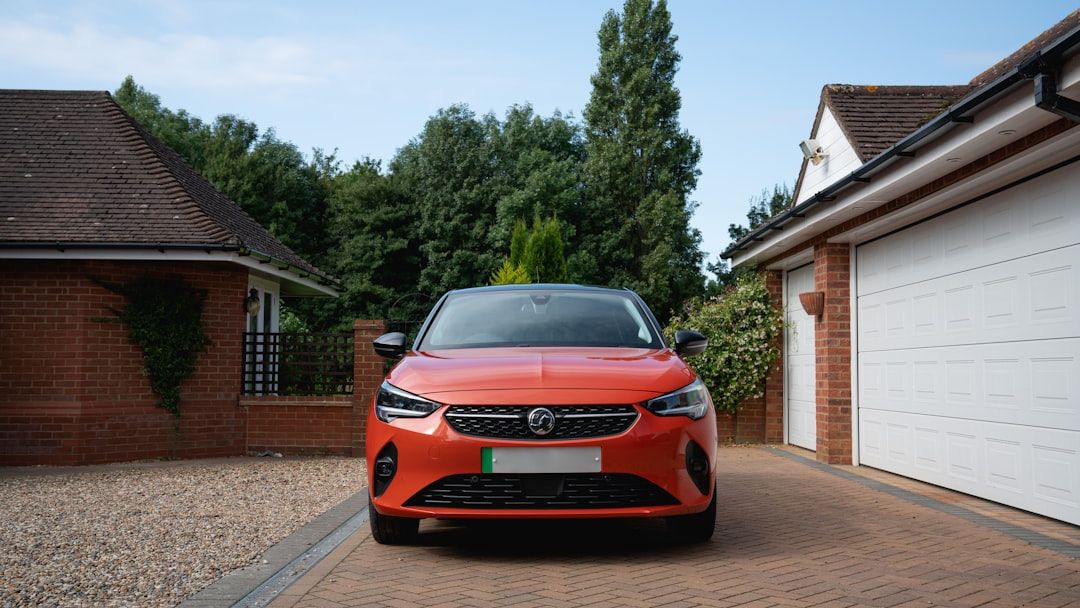
Vauxhall turns to China’s Leapmotor in bid to keep British motoring affordable – Image for illustrative purposes only (Image credits: Unsplash)
British families struggling with the rising cost of new cars may soon see relief through a partnership that brings Chinese electric vehicle components into Vauxhall models for the first time. The move targets the mid-sized family SUV segment, where price sensitivity remains high, and aims to deliver vehicles that meet everyday needs without stretching household budgets. Production of the new model is scheduled to begin in 2028 at facilities in Spain, preserving some European manufacturing while drawing on advanced battery and powertrain systems developed abroad.
Core Elements of the Agreement
Stellantis, Vauxhall’s parent company, confirmed that electric motors, battery packs and related powertrain technology from Leapmotor will form the foundation of the upcoming C-SUV. Engineers from Vauxhall will retain responsibility for overall design, ride quality, handling and interior comfort to maintain the brand’s established character. The vehicles will be assembled at Stellantis plants in Zaragoza and Madrid, ending Leapmotor’s previous practice of building its models exclusively in China.
The arrangement builds on an earlier €1.5 billion investment that Stellantis made in Leapmotor in 2023. A joint venture called Leapmotor International now handles the push into Western markets, with the new deal expected to accelerate localisation of electric vehicle production across Europe.
Market Pressures Driving the Shift
European and American carmakers have faced intensifying competition from well-equipped Chinese electric models priced significantly below comparable Western offerings. More than one in four electric vehicles sold in the United Kingdom now originates from China, according to industry data. Research from the Rhodium Group highlights the scale of the gap, showing that Chinese manufacturer BYD receives roughly $347 in state support per vehicle compared with $39 for Volkswagen and none for Tesla.
Stellantis itself acknowledged earlier this year that it had misjudged demand during its initial electric vehicle push, resulting in a €22 billion writedown after sales fell short of targets. The Leapmotor tie-up represents a pragmatic response to those realities rather than a purely strategic choice.
Impact on Buyers, Jobs and Regulation
For UK motorists the primary benefit lies in lower purchase prices for capable family electric vehicles. The new C-SUV is positioned to compete directly in a segment where Chinese brands such as BYD, MG and Omoda have already gained ground. Vauxhall’s market share has declined in recent years, and the company hopes the cost advantages will help reverse that trend while keeping the brand relevant to average buyers.
Stakeholders in Britain will also watch employment and data-security implications. Although final assembly moves to Spain, Vauxhall’s design and engineering teams in the UK retain key roles. Every new vehicle sold in Britain must include an embedded SIM card for emergency services, raising questions about data handling that Chinese suppliers have addressed by confirming full compliance with local privacy rules.
- Electric motors and battery packs supplied by Leapmotor
- Final assembly at Spanish plants from 2028
- Vauxhall-led design and calibration work
- Continued focus on affordability for family buyers
Outlook for the Brand and Industry
Leapmotor, founded only in 2015, brings recent expertise in electric powertrains to a partnership with a company whose roots stretch back more than a century. The collaboration is described by both sides as mutually beneficial, with Stellantis gaining access to cost-effective technology and Leapmotor securing wider distribution through established European brands.
Whether British buyers will prioritise the final price over the origin of key components remains to be seen. The coming years will test whether this model of cooperation can deliver vehicles that feel distinctly Vauxhall while meeting the economic pressures facing ordinary households.