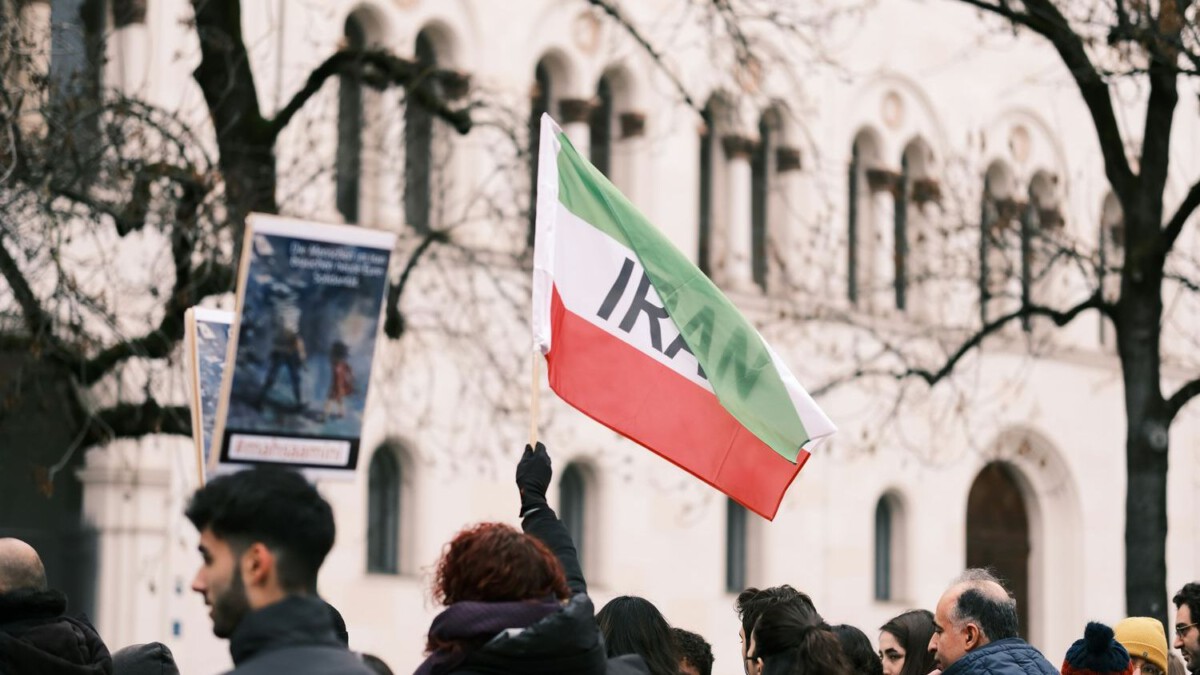
Iran vows to fight on as Trump says ceasefire is “on life support” – Image for illustrative purposes only (Image credits: Unsplash)
President Trump is set to raise the fragile state of the Iran ceasefire during his visit to Beijing this week. He plans to meet with President Xi Jinping and press Chinese officials to use their influence with Tehran. The goal is to secure a lasting agreement that ends the current conflict. Such diplomatic outreach comes as tensions remain high and the truce shows clear signs of strain.
Diplomatic Push in Beijing
The upcoming talks mark a direct effort by the United States to involve China in resolving the standoff. Trump has indicated he will encourage Beijing to lean on Iran for concessions that could stabilize the situation. Chinese leaders hold significant economic and political leverage in the region, making their participation potentially decisive. Observers note that previous rounds of talks have produced limited results, raising the stakes for this round of engagement. The timing of the visit adds urgency to the discussions. With the ceasefire described by Trump as being on life support, both sides appear eager to explore new avenues for progress. Xi Jinping’s government has maintained a careful balance in its relations with Iran while also seeking stable ties with Washington. This meeting offers a chance to align those interests around a shared outcome.
Impact on Energy Markets
Any breakthrough in the ceasefire talks could ease pressure on global oil supplies. Prolonged uncertainty in the region has already contributed to volatility in energy prices that reaches American consumers at the pump. A durable agreement might help moderate those fluctuations over time. Policymakers in Washington have long viewed stable energy costs as tied to broader economic security. Traders and analysts continue to watch developments closely. Even modest signs of de-escalation can influence short-term price movements. The involvement of China, a major importer of Iranian oil, adds another layer to these calculations. Officials expect the Beijing discussions to address these economic dimensions alongside security concerns.
Regional and Domestic Stakes
The conflict’s continuation affects multiple countries beyond the immediate parties. Neighbors in the Middle East face risks of spillover effects that could disrupt trade routes and daily life. For the United States, the situation intersects with national security priorities and foreign policy objectives. Trump’s strategy of enlisting Chinese support reflects an attempt to broaden the coalition working toward resolution. Domestic audiences in America also follow these events for their potential ripple effects. Higher energy costs can influence household budgets and inflation trends. Lawmakers on both sides of the aisle have expressed interest in seeing the ceasefire hold and expand. The coming days in Beijing will test whether this diplomatic channel can deliver tangible movement.
Path Forward
Success in the talks would require coordinated steps from all involved capitals. Iran has signaled its determination to continue certain operations, while the United States seeks a negotiated pause that holds. China’s role as intermediary could prove pivotal if it chooses to apply quiet pressure. The outcome remains uncertain, yet the scheduled meeting keeps the possibility of progress alive. The coming weeks will reveal whether these efforts produce concrete results or simply maintain the current uneasy balance.