Why Xi Doesn’t Need a Deal With Trump – Image for illustrative purposes only (Image credits: Flickr)
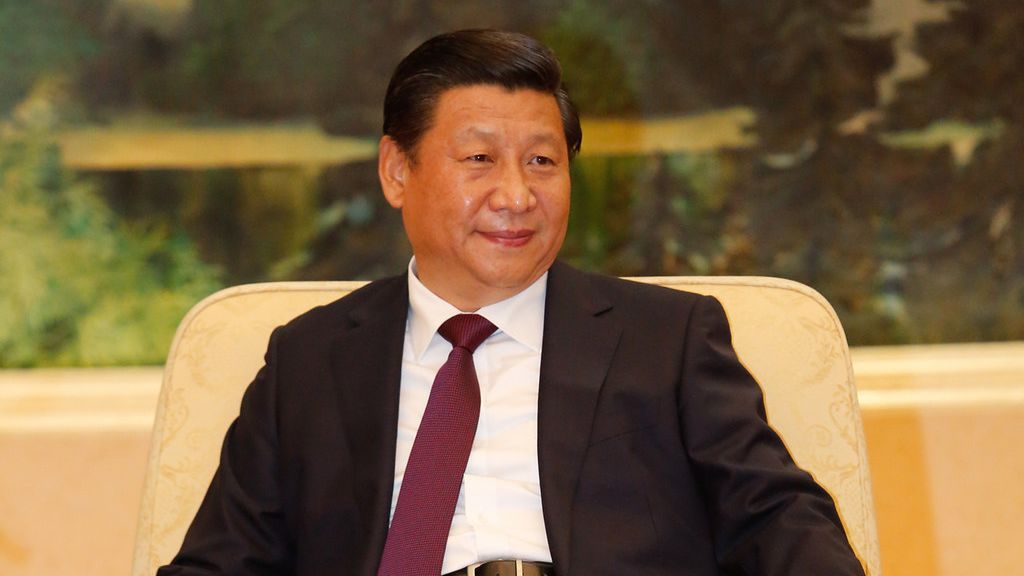
President Xi Jinping of China is buying time for Beijing and may see an opening with a U.S. president weakened by the war in Iran. This calculated pause allows Chinese leaders to avoid rushed concessions while watching how events unfold in Washington. The approach reflects a broader strategy of endurance rather than immediate confrontation.
Beijing’s Calculated Delay
Chinese officials have long favored measured responses over hasty agreements. By holding back on trade or security talks, Beijing preserves leverage and forces the other side to adjust first. This tactic has worked in past standoffs, where time exposed weaknesses in opposing positions.
Xi’s team appears focused on internal stability and economic adjustments at home. External pressure from the United States can wait while domestic priorities take center stage. The result is a steady posture that avoids escalation without signaling retreat.
How the Iran Conflict Shifts the Balance
The ongoing war in Iran has placed new demands on American resources and attention. A president already stretched by military commitments may find it harder to sustain aggressive trade measures against China. Observers in Beijing note that divided focus often leads to softer negotiating stances over time.
China has avoided direct involvement in the Middle East conflict, keeping its options open. This distance lets officials monitor outcomes without committing forces or funds. The contrast with U.S. entanglement creates space for Chinese diplomacy to proceed on its own schedule.
Longer-Term Effects on Global Trade
Prolonged uncertainty in U.S.-China relations affects supply chains and investment decisions worldwide. Companies continue to diversify away from single-country reliance, a trend that predates current tensions. Beijing benefits from this gradual shift as it strengthens ties with other partners in Asia and Europe.
Without a quick deal, both sides face higher costs from tariffs and restrictions. Yet Chinese leaders appear willing to absorb short-term pain for potential long-term gains in autonomy. The strategy hinges on the belief that American political cycles will eventually ease external pressure.
What Comes Next
Future moves will likely depend on how the Iran situation evolves and how U.S. domestic politics respond. Beijing shows no sign of altering course in the near term. The emphasis remains on patience and positioning rather than dramatic breakthroughs.
Observers expect continued quiet diplomacy alongside firm defense of core interests. This steady course could reshape expectations for how major powers manage disputes in the years ahead.