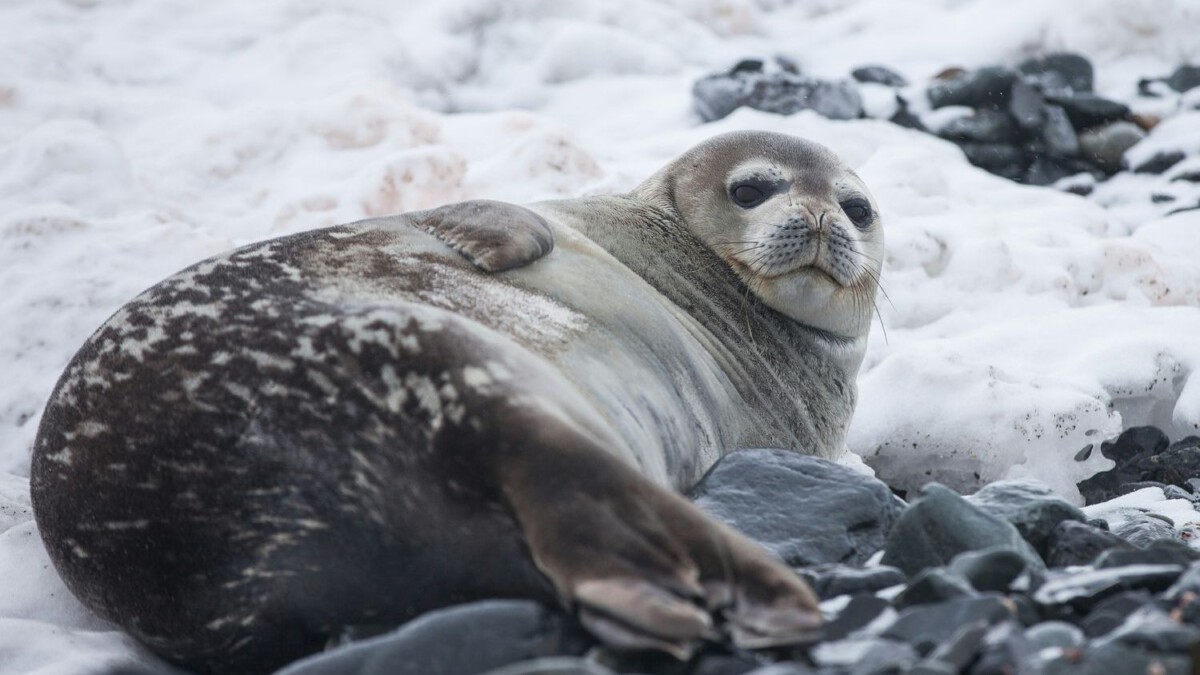
Who is Igor Lytvynchuk? Tourist Accused of Throwing Rock at Endangered Seal – Image for illustrative purposes only (Image credits: Unsplash)
A tourist identified as Igor Lytvynchuk now stands accused of a direct violation against one of the nation’s most protected marine animals. Federal prosecutors have filed charges after the incident involving an endangered seal, drawing renewed attention to the strict safeguards that govern interactions with wildlife in U.S. waters. The case illustrates how even a single impulsive act can trigger serious legal consequences under longstanding environmental statutes.
The Charges Filed Against Lytvynchuk
Authorities have formally charged Igor Lytvynchuk with violating the Endangered Species Act and the Marine Mammal Protection Act. These statutes form the core of federal efforts to shield vulnerable species from harm, whether intentional or otherwise. Prosecutors allege that Lytvynchuk threw a rock at the seal, an action that directly contravenes the protections these laws provide. The filing marks a clear escalation from any initial local response to full federal involvement.
Both acts carry significant weight in court, reflecting decades of policy designed to prevent the decline of at-risk populations. Lytvynchuk’s case now moves forward under this dual framework, with each violation capable of standing on its own in legal proceedings.
Why These Federal Laws Matter
The Endangered Species Act establishes broad authority to protect animals and plants listed as threatened or endangered, including many marine mammals. It prohibits actions that could harm individuals or their habitats, with enforcement handled at the federal level to ensure consistency across states. The Marine Mammal Protection Act complements this by specifically covering seals, whales, dolphins, and related species, regardless of their exact conservation status.
Together the two laws create overlapping layers of accountability. Any reported interference with an endangered seal automatically falls under both, allowing prosecutors to pursue the strongest possible case. This structure has proven effective in deterring reckless behavior near sensitive coastal areas.
Next Steps in the Legal Process
With charges now on record, the matter will proceed through the federal court system. Lytvynchuk will have the opportunity to respond to the allegations, and further details about the circumstances may emerge during pretrial stages. Federal wildlife cases of this type often involve coordination between agencies such as the National Oceanic and Atmospheric Administration and the Department of Justice.
Outcomes can range from fines and probation to more substantial penalties, depending on the evidence presented and any prior record. The emphasis remains on upholding the statutes that have helped stabilize populations of endangered marine life over the past half century.
Broader Implications for Wildlife Protection
Incidents like this one serve as reminders that everyday visitors to coastal regions share responsibility for preserving protected species. Public education campaigns and posted warnings at beaches and parks aim to prevent similar encounters, yet enforcement actions continue when rules are broken. The charges against Lytvynchuk reinforce that federal authorities treat harm to endangered animals as a serious matter rather than a minor infraction.
As the case advances, it may prompt additional outreach to tourists and residents alike about the legal boundaries that protect seals and other marine mammals. Such awareness efforts remain central to long-term conservation success.