Hotels race to own India’s hottest ‘vibe’ economy – Image for illustrative purposes only (Image credits: Unsplash)
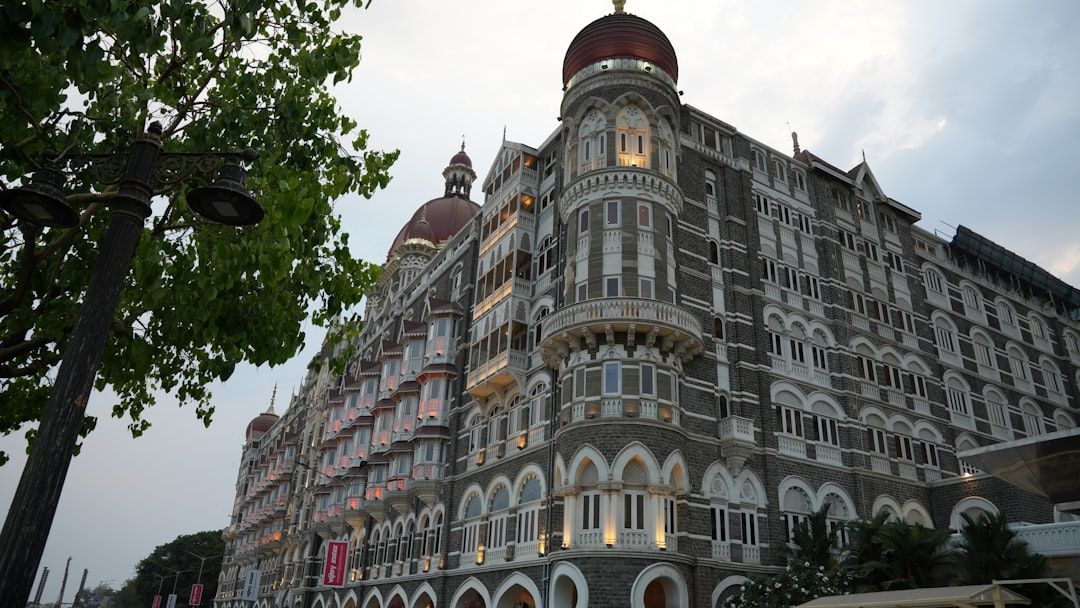
India’s hospitality sector is undergoing a clear shift as international hotel groups move aggressively to capture spending from younger travelers who value experiences over traditional luxury. Major chains see this segment as a high-growth opportunity amid rising domestic tourism and a broader preference for live events and social moments. The competition is reshaping how properties are designed, marketed, and operated across the country.
Gen Z Drives the Experience Shift
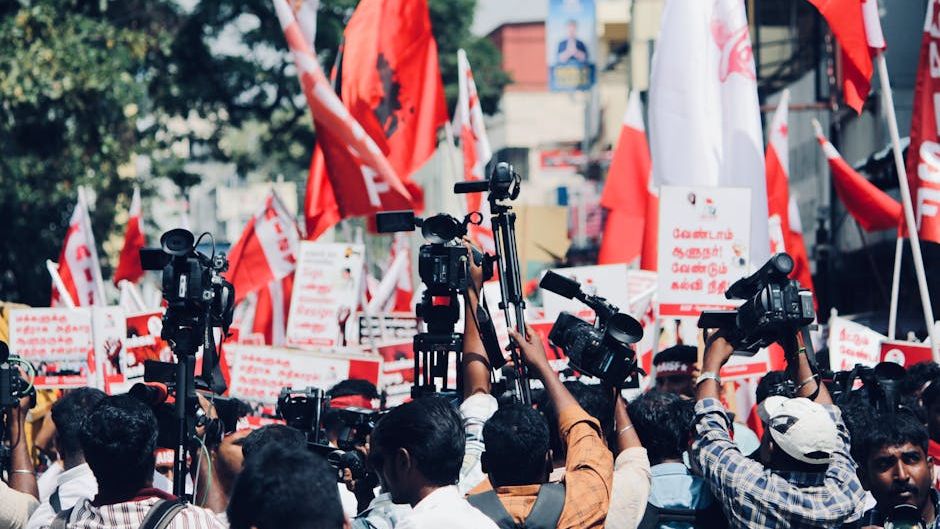
Younger consumers in India are increasingly choosing hotels that deliver social energy and memorable moments rather than formal opulence. This preference has created what industry observers call the vibe economy, where live music, sports events, and curated gatherings generate stronger demand than conventional room sales alone. Hotel executives note that these travelers book based on atmosphere and shareability, often prioritizing proximity to concerts or festivals over standard amenities. The trend aligns with broader economic signals. Domestic tourism continues to expand rapidly, with visits projected to rise sharply in the coming years. Properties that adapt to this audience report steadier occupancy and higher average daily rates during peak event periods. In contrast, hotels focused solely on business or leisure travelers face more variable demand.
Chains Roll Out Targeted Brands
Leading groups are responding with dedicated concepts built around energy and accessibility. Marriott has expanded its Moxy brand, which emphasizes compact, social spaces and lower price points suited to younger guests. Accor and Hyatt are following similar paths, with Hyatt exploring an India-specific offering that blends local traditions with modern appeal to attract both domestic and international visitors. These moves reflect a deliberate strategy to secure early positions in emerging markets. New openings often include flexible event spaces, vibrant lobbies, and partnerships with local creators to generate buzz. The approach allows chains to differentiate from legacy luxury properties while tapping into repeat visits from a demographic that travels frequently for personal milestones and group experiences.
Practical Effects on Operators and Markets
The focus on vibe-driven travel is already influencing revenue patterns. Hotels near major event venues see spikes in bookings during concert seasons and sporting fixtures, sometimes offsetting slower periods in traditional segments. Industry projections indicate overall sector growth between 9 and 12 percent for the current fiscal year, supported by sustained domestic demand. Stakeholders include property owners seeking higher returns, local businesses benefiting from increased footfall, and travelers gaining more tailored options. Smaller cities and regional destinations are also gaining attention as chains extend these concepts beyond metros. This expansion helps distribute economic activity while raising standards in secondary markets.
Outlook for the Sector
Competition is expected to intensify as more properties enter the pipeline, with tens of thousands of new rooms planned through 2030. Success will depend on operators’ ability to maintain relevance through ongoing event tie-ups and digital engagement. Those that balance vibe elements with reliable service stand to capture the largest share of this evolving market. The shift ultimately rewards adaptability. Hotels that treat experiences as core offerings rather than add-ons are positioning themselves for longer-term resilience in a traveler base that continues to prioritize connection and novelty.