Cuba Protests Erupt as Country Reels From Blackouts, Trump Pressure – Image for illustrative purposes only (Image credits: Unsplash)
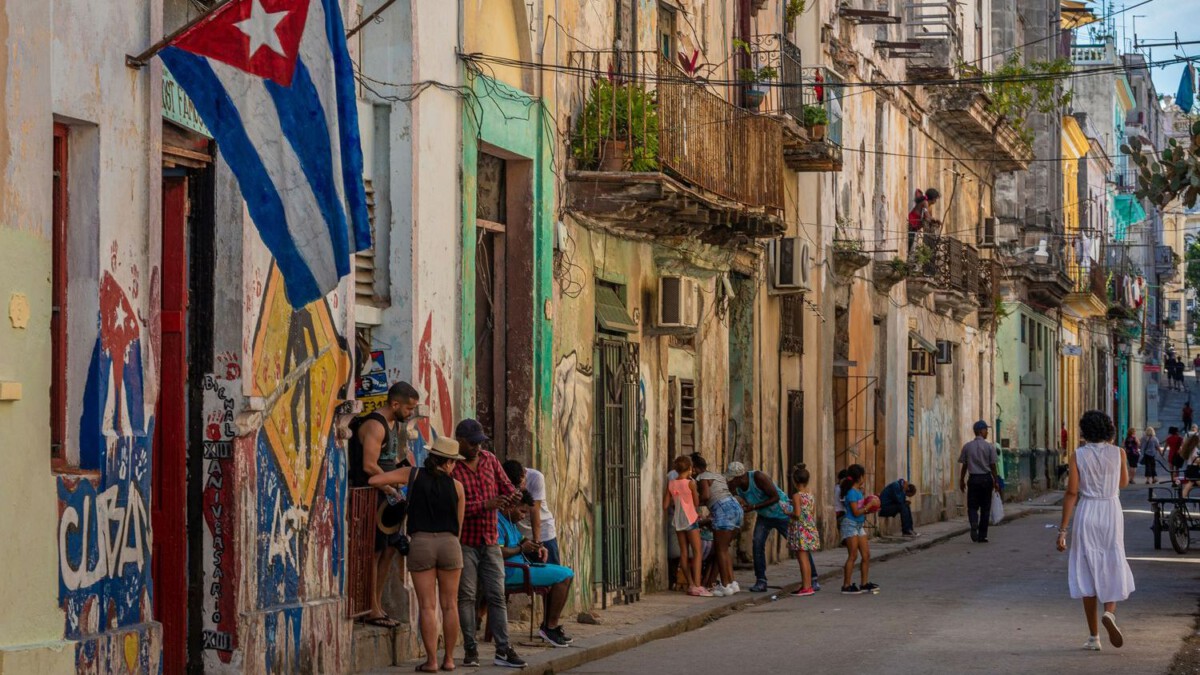
Havana – Demonstrations broke out in multiple neighborhoods of the Cuban capital on Wednesday, reflecting deep frustration over prolonged power failures that have left residents without electricity for extended periods. The unrest comes as the island nation contends with its most severe energy shortages in decades, a situation that has disrupted daily routines and essential services. Observers point to restrictions on fuel imports, intensified under U.S. policy decisions, as a central factor worsening the crisis.
Extent of the Power Shortages
Power plants across Cuba have struggled to maintain consistent output, resulting in rolling blackouts that sometimes last more than 12 hours at a stretch. Hospitals, schools, and water treatment facilities have been forced to rely on limited backup generators, many of which face fuel shortages of their own. Government reports indicate that the current wave of outages exceeds previous episodes in both duration and geographic reach, affecting urban centers and rural areas alike.
Residents describe the situation as unsustainable, with food spoiling in unrefrigerated homes and businesses unable to operate normally. The shortages have also hampered transportation networks, leaving many without reliable access to work or medical care. These conditions have built steadily over recent months, turning what began as intermittent disruptions into a nationwide challenge.
Public Response in the Streets
Protesters gathered in Havana to voice demands for reliable electricity and relief from the mounting hardships. The demonstrations remained largely peaceful yet drew significant crowds, signaling broad participation from ordinary citizens rather than organized political groups. Similar gatherings were reported in other cities, underscoring the widespread nature of the discontent.
Authorities responded by increasing security presence in key areas, though no major clashes were immediately confirmed. The events mark one of the most visible expressions of public frustration in recent years, focused squarely on the practical failures of the power grid. Participants emphasized the need for immediate solutions to restore basic services.
Connection to U.S. Fuel Restrictions
Analysts attribute much of the fuel scarcity to tightened U.S. measures that limit oil shipments to Cuba from third countries. These restrictions, expanded during the Trump administration, have reduced available supplies and driven up costs for remaining imports. Cuban officials have described the policy as a deliberate effort to pressure the government through economic means.
The blockade affects not only electricity generation but also broader economic activity, including agriculture and manufacturing that depend on consistent energy. Without alternative suppliers stepping in at scale, the shortages have persisted and intensified. This external pressure combines with internal infrastructure issues to create the current crisis.
Daily Life Under Strain
Families have adapted by shifting activities to daylight hours and conserving whatever power becomes available during brief windows. Small businesses report sharp drops in revenue, while larger operations face production halts that threaten jobs. The cumulative effect has placed additional pressure on an already fragile economy.
Health services continue to operate under constraints, with some procedures postponed and medication storage complicated by temperature fluctuations. Community organizations have stepped in to distribute water and basic supplies where possible, though demand far exceeds available resources. The situation highlights how energy access underpins nearly every aspect of modern life on the island.