

Hawaii

Hawaii stands out as one of the toughest places for a $100,000 salary to stretch. The cost of living index sits well above the national average, driven largely by imported goods and limited housing supply. A 2026 analysis from ConsumerAffairs placed Honolulu among the bottom cities for purchasing power, where that income feels closer to $60,000 or less after adjustments.
Residents often face monthly rents or mortgages that eat up half or more of take home pay. Groceries and utilities add further pressure in an island economy where everything arrives by ship or plane. Many households report cutting back on travel between islands or even basic outings just to stay afloat.
California
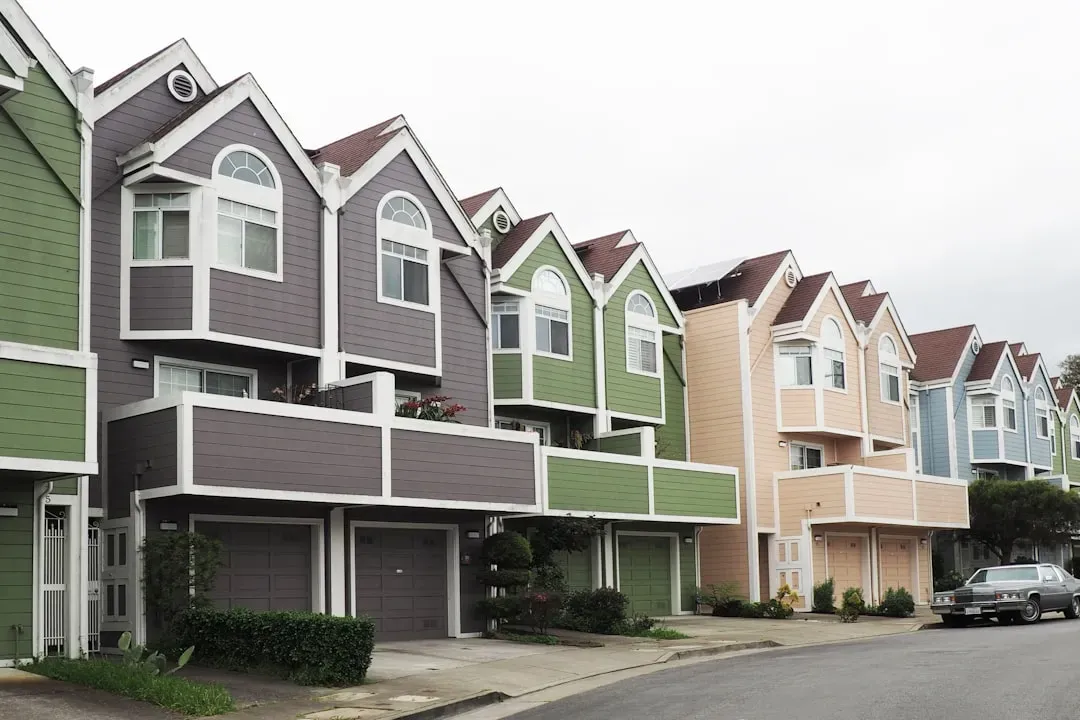
California brings its own set of challenges with a $100,000 salary. Multiple cities including San Francisco and Los Angeles rank near the bottom in recent SmartAsset and ConsumerAffairs reports for how far that income actually goes. After taxes and local prices, the effective value can drop below $50,000 in the most expensive metro areas.
Housing remains the biggest hurdle, with median home prices far exceeding what most families can comfortably afford on this salary. State income taxes compound the issue, leaving less for savings or unexpected costs. Families frequently mention trading off larger living spaces or reliable cars to manage the monthly budget.
New York

New York presents one of the steepest gaps between a $100,000 salary and actual lifestyle. In Manhattan, studies from SmartAsset show the income retains only about a third of its face value once taxes and costs are factored in. High local taxes and sky high rents create a situation where basic needs consume nearly everything.
Transportation and childcare expenses hit especially hard in dense urban zones. Many residents describe feeling like they are one emergency away from financial strain despite the nominal income level. The combination of state and city levies further reduces what remains for discretionary spending or long term goals.
Massachusetts

Massachusetts ranks high among states where $100,000 does not deliver middle class comfort. Boston and surrounding areas show up repeatedly in 2025 and 2026 affordability reports as places where this salary falls short for a family of three. Elevated housing and healthcare costs play major roles in shrinking real purchasing power.
Property taxes and insurance add layers that many households did not anticipate when moving for work. Daily commutes and education expenses for children quickly accumulate. Locals often note that what once felt like solid earnings now requires careful tracking of every category just to break even.
New Jersey

New Jersey rounds out the list with its own pressures on a $100,000 salary. Proximity to major cities drives up housing and commuting costs while state taxes remain among the higher ones nationally. Recent data on middle class thresholds place it near the top for how much income is truly needed to feel secure.
Suburban living still demands significant outlays for property maintenance and transportation. Families report that after covering essentials, little remains for vacations or retirement contributions. The overall picture leaves many feeling they are treading water rather than building any real financial cushion.
Conclusion

These patterns highlight how location shapes financial reality more than raw salary numbers suggest. People in these states often weigh trade offs between career opportunities and daily quality of life. Understanding the local numbers can help anyone planning a move or career shift make choices that align better with long term stability.