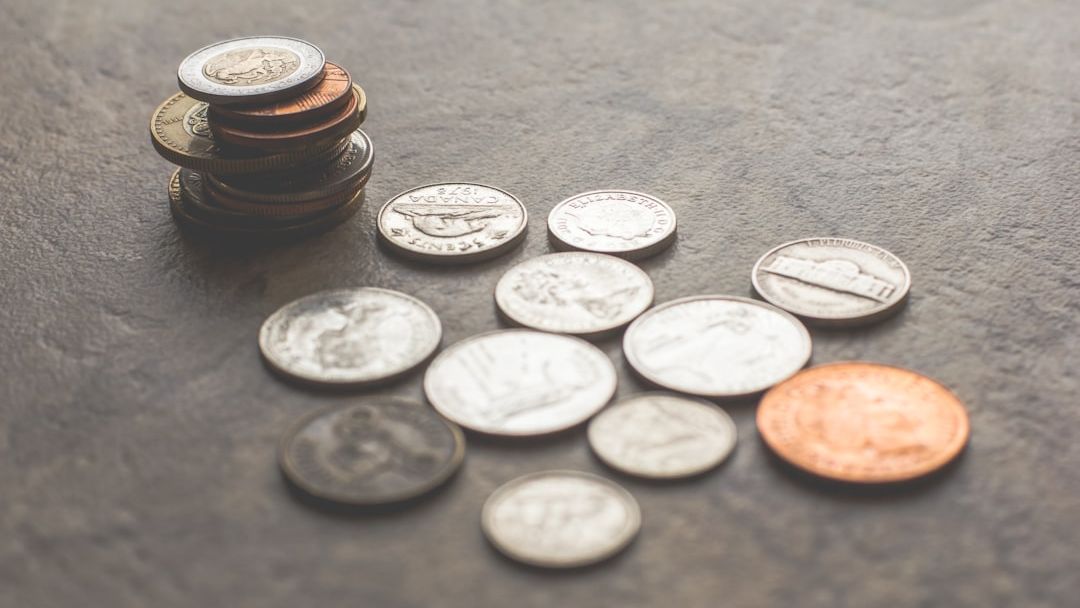

The First Pennies Appear in 1793
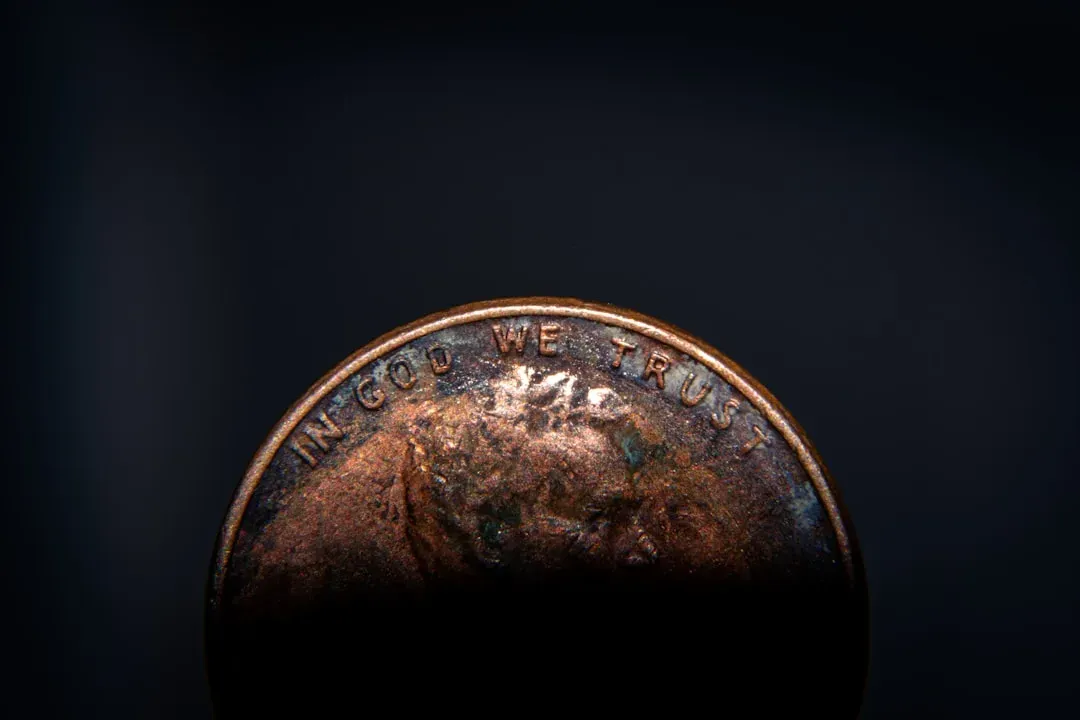
The United States Mint opened in 1792 and struck its first one-cent coins the following year. Those early pennies were larger than modern ones and made entirely of copper. They weighed about five times as much as the coins in circulation now.
Designs featured symbols of liberty rather than presidents. A woman with flowing hair appeared on the front while chains or wreaths decorated the back. These coins helped establish a national currency after the Revolutionary War.
Benjamin Franklin’s Influence on Early Designs
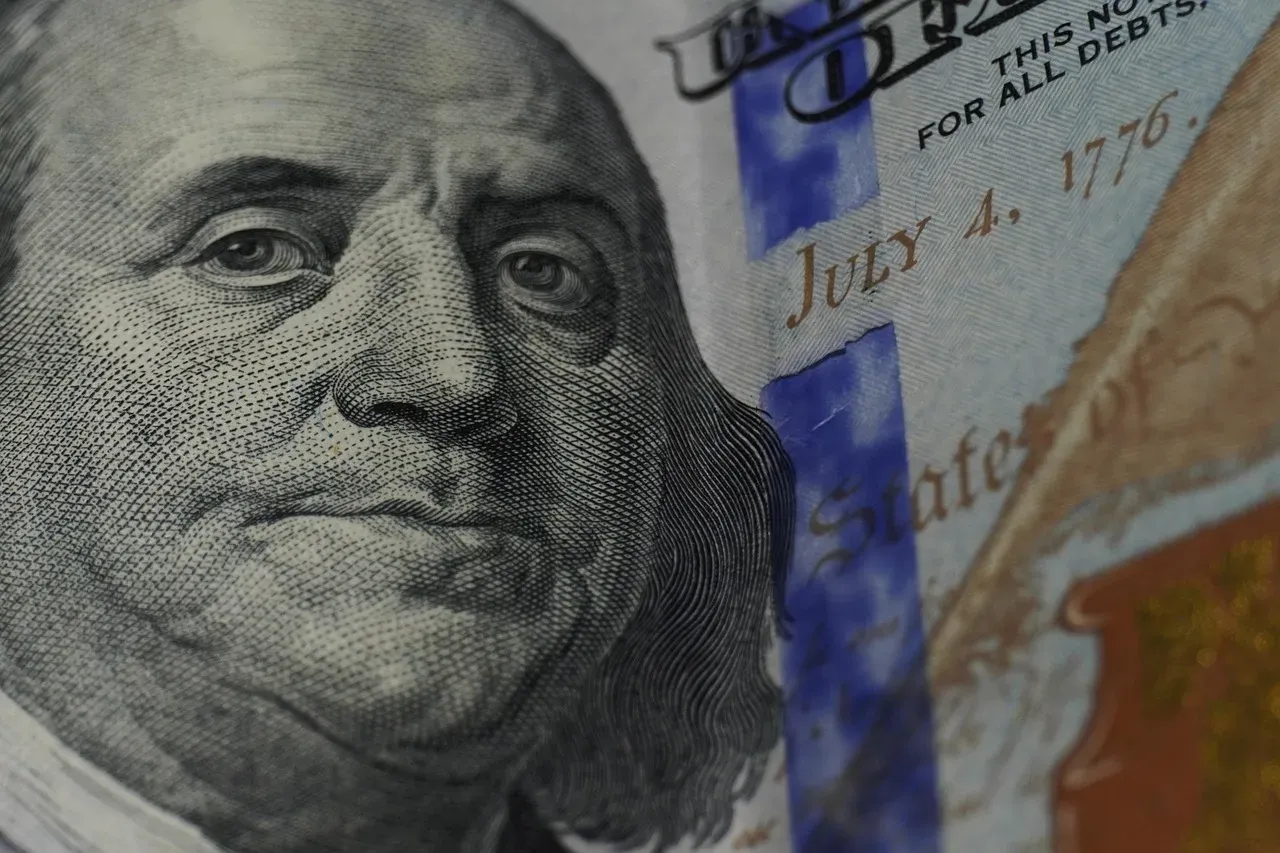
Benjamin Franklin is credited with creating one of the first American cent patterns in 1787. His Fugio cent showed a sundial and the motto “Mind Your Business.” The reverse carried thirteen links representing the original colonies.
Although not an official Mint product, Franklin’s idea shaped later thinking about coin symbolism. It emphasized practical values and unity at a time when the new nation needed its own money system.
The Shift to the Lincoln Cent in 1909

In 1909 the Mint honored Abraham Lincoln’s 100th birthday by placing his portrait on the penny. This marked the first time a real person appeared on a regular circulating U.S. coin. The wheat stalks on the reverse stayed until 1959.
Subsequent redesigns marked Lincoln anniversaries. The Lincoln Memorial appeared in 1959 and four special reverses came out in 2009 for his bicentennial. These changes kept the coin visually fresh while preserving its core identity.
Composition Changes Through the Years

Early pennies were pure copper. During World War II the Mint switched to steel coated with zinc to save copper for the war effort. After the war it returned to copper but later adopted a zinc core with a thin copper plating.
Today’s penny is 97.5 percent zinc and 2.5 percent copper. The change reduced material costs but did not solve the larger expense problem. Rising metal prices eventually pushed production costs above face value.
Production Costs Climb Above Face Value
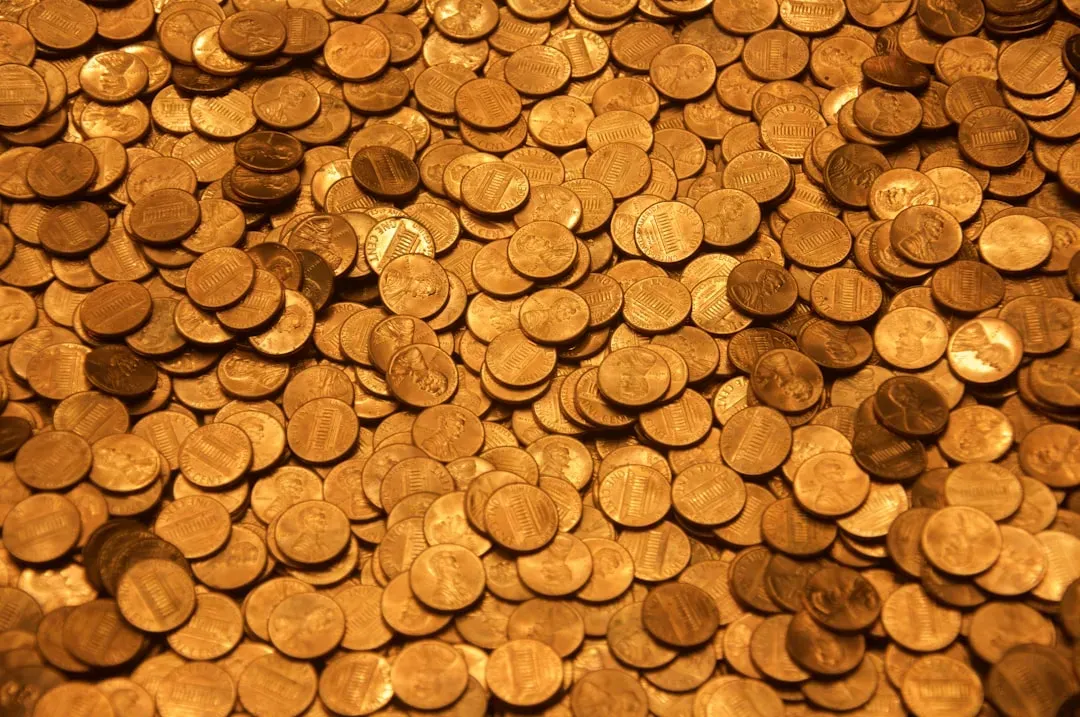
By fiscal year 2024 the U.S. Mint reported that each penny cost 3.69 cents to make and distribute. That figure had more than doubled from roughly 1.3 cents a decade earlier. Materials, labor, and overhead all contributed to the increase.
The Mint produced more than three billion pennies that year. The result was an $85.3 million loss for taxpayers on this single denomination. Similar losses had occurred for nineteen straight years.
Annual Losses Reach Tens of Millions
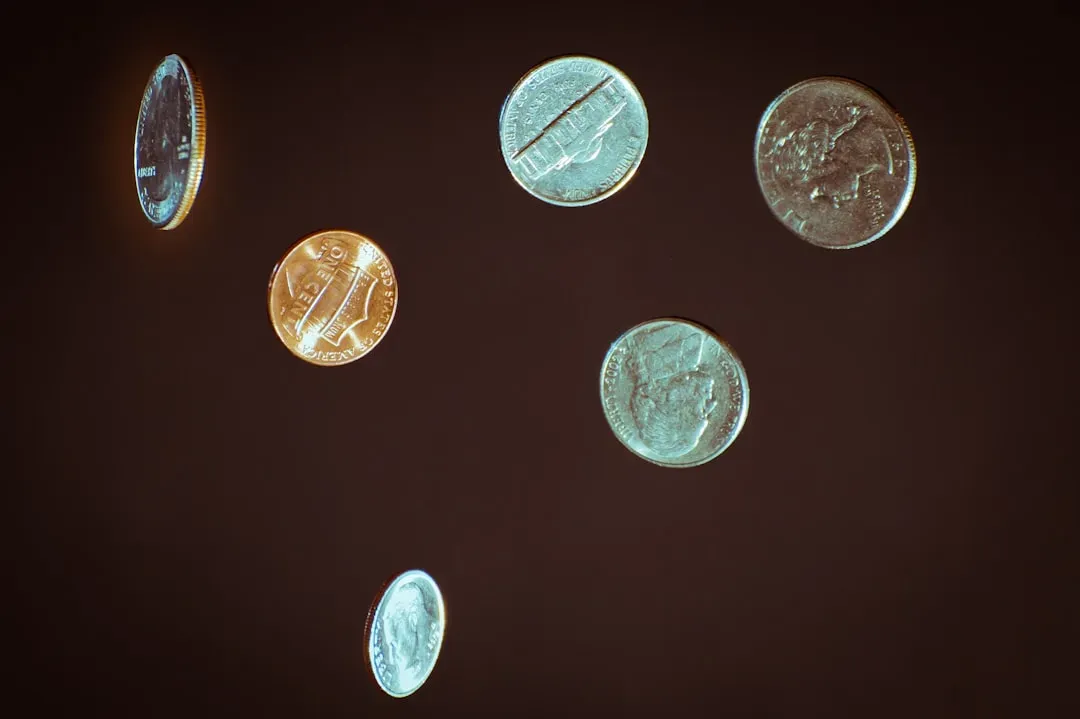
Over the past decade the government has lost hundreds of millions of dollars minting pennies. In 2024 alone the figure hit $85.3 million. These losses come even though pennies remain legal tender and continue to circulate.
Fixed costs such as facilities and equipment do not disappear when production slows. The Mint has noted that some overhead would simply shift to other coins if penny output ended. Still, the direct material savings from stopping production are projected at $56 million a year.
Declining Use of Cash Changes the Equation

More Americans now pay with cards, phones, or apps instead of coins. Cash transactions have dropped steadily, reducing the need for low-denomination coins. A single penny buys very little in today’s economy.
Retailers report occasional shortages of pennies in cash drawers. Without new supply, businesses may round prices to the nearest nickel. This shift reflects broader changes in how people handle small amounts of money.
Political Decisions Lead to Production Halt

In early 2025 President Trump directed the Treasury to stop making new pennies for circulation. The Treasury confirmed the final order for blanks in May and production ended on November 12, 2025. Existing coins remain in use and legal tender.
Collector versions continue to be struck in limited numbers. The move followed years of debate and repeated Mint reports showing losses. Officials cited both cost and the declining role of cash as reasons for the change.
Billions of Pennies Remain in Circulation
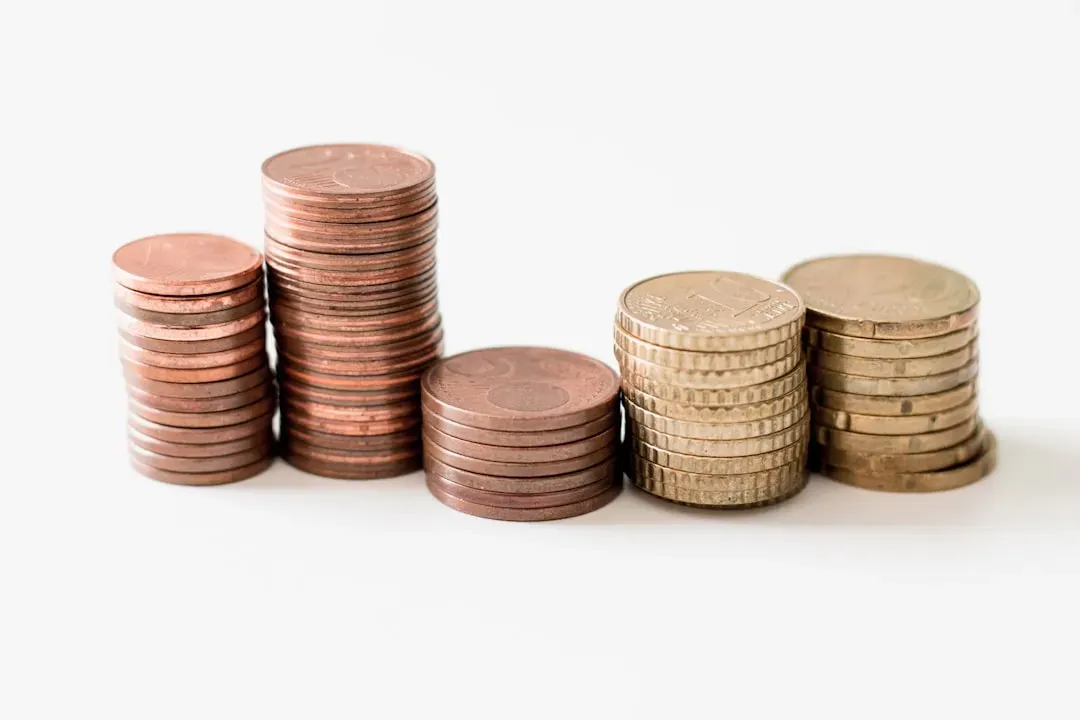
Roughly 114 billion pennies are estimated to be in circulation or held by the public. The Federal Reserve will continue to recirculate these coins as long as demand exists. No law has removed the penny from legal tender status.
People can still spend or deposit the coins they already own. Banks and retailers will handle the existing supply for years to come. The phase-out affects only new production, not the coins already in pockets and jars.
Looking Ahead at Small-Denomination Coins
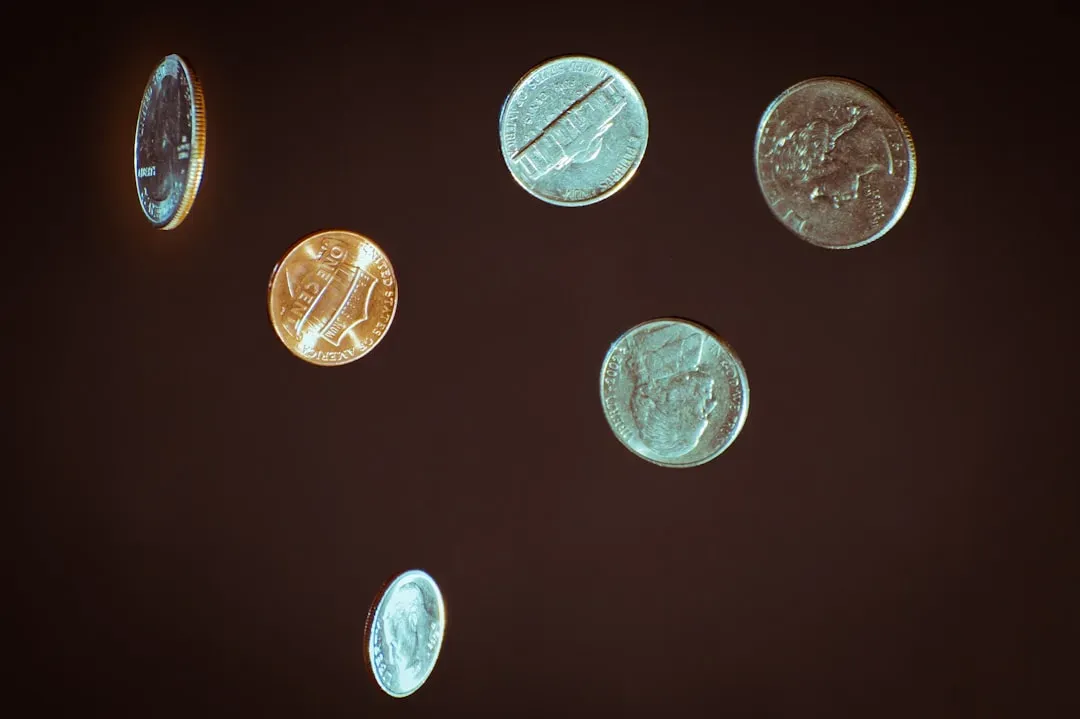
The end of penny production for circulation marks a practical step in modernizing the coin system. Other low-value coins like the nickel also cost more than their face value to make. Future discussions may examine whether additional changes are needed.
Countries such as Canada and Australia have already phased out their lowest-denomination coins with little disruption. The United States now joins that trend while keeping the penny available for those who still use cash. The coin’s long story continues even as its production story closes.