Early Enthusiasm Peaks in Leading Districts (Image Credits: Unsplash)
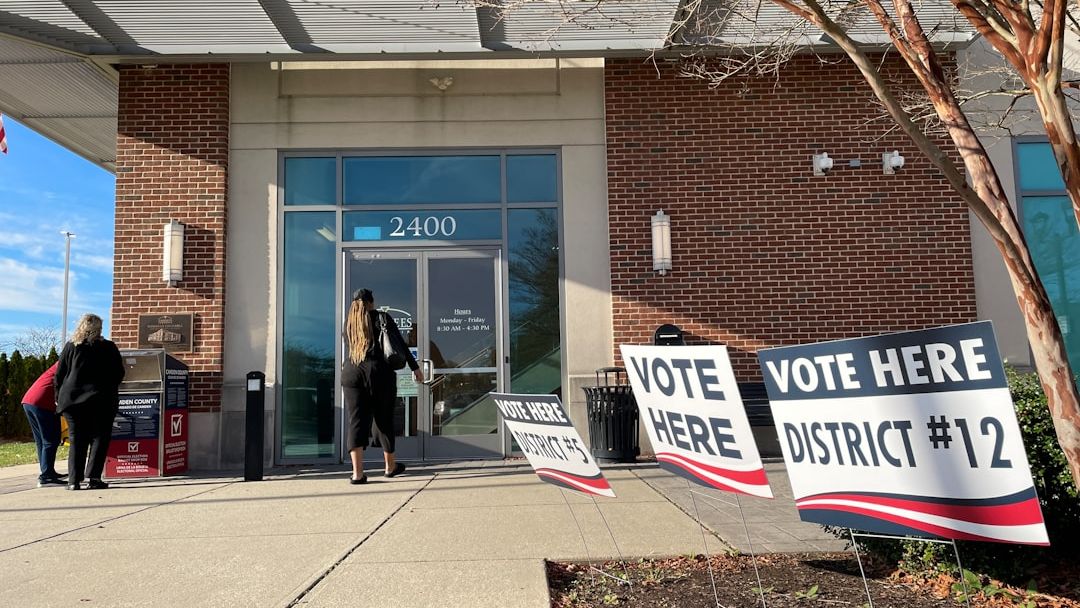
Polling stations across Tamil Nadu and West Bengal’s first-phase constituencies buzzed with activity on Thursday as voters braved queues to exercise their franchise. By 11 a.m., Tamil Nadu registered a turnout of 37.57 percent, while West Bengal’s phase one saw 41.11 percent participation, data from the Election Commission of India showed.[1][2] Prominent leaders including Tamil Nadu Chief Minister M.K. Stalin and actor Rajinikanth cast their votes early, underscoring the intense political rivalries at play. With voting set to continue until 6 p.m., officials anticipated even higher numbers as the day progressed.
Early Enthusiasm Peaks in Leading Districts
Several districts emerged as frontrunners in voter participation during the initial hours. In Tamil Nadu, industrial hubs demonstrated particularly strong engagement, reflecting residents’ commitment to the democratic process. West Bengal’s rural belts also recorded impressive figures, setting a positive tone for the multistage polls.
The data highlighted regional variations influenced by local dynamics and logistics. Election officials monitored these trends closely to address any bottlenecks promptly. Tight security arrangements ensured smooth operations at most booths.
- Tamil Nadu’s top performers: Tiruppur at 42.45 percent, Namakkal at 41.41 percent, and Erode at 41.00 percent.
- West Bengal phase one’s leaders: Paschim Medinipur at 44.68 percent, Jhargram at 43.71 percent, and Bankura at 43.22 percent.
Urban centers like Chennai in Tamil Nadu logged 35.47 percent, Coimbatore 38.62 percent, and Madurai 36.22 percent. Lower figures appeared in Nilgiris at 32.62 percent for Tamil Nadu and Malda at 38.22 percent for West Bengal.[3]
Tamil Nadu’s High-Stakes Battle Unfolds
Tamil Nadu’s assembly elections covered all 234 constituencies in a single phase, drawing over 5.73 crore registered voters to the polls. The electorate included 2.93 crore female voters, 2.80 crore male voters, and 7,728 third-gender voters. Chief Electoral Officer Archana Patnaik noted accommodations for 14.59 lakh first-time voters and 68,501 service voters, with 4.18 lakh postal ballots already received.
The contest pitted the DMK-led Secular Progressive Alliance, comprising Congress, DMDK, and VCK, against the AIADMK-headed National Democratic Alliance with BJP and PMK allies. Leaders such as TVK chief Vijay and DMK minister K.N. Nehru joined the early rush to booths. Authorities established 62 counting centers to handle the anticipated volume post-polling.
West Bengal Phase One Sets Competitive Pace
In West Bengal, phase one encompassed 152 of the 294 assembly seats, with 1,478 candidates vying for victory. Chief Minister Mamata Banerjee sought a fourth term for her Trinamool Congress, facing a determined challenge from the BJP, which claimed 77 seats in the prior polls. The second phase would cover the remaining 142 constituencies later.
Around 3.6 crore voters held the key to this phase’s outcome. Early turnout suggested robust rural mobilization, particularly in Paschim Medinipur and neighboring areas. Officials reported orderly proceedings under heightened security, with polling stations opening amid festive yet vigilant atmospheres.
Logistics and Voter Demographics in Focus
Both states deployed extensive measures to facilitate voting, from special provisions for diverse groups to real-time monitoring of turnout. Tamil Nadu’s voter base showcased near gender parity, a trend officials praised for its inclusivity. West Bengal’s phased approach allowed sequential focus on security and logistics across regions.
| District/State | Turnout at 11 a.m. (%) | Rank |
|---|---|---|
| Tiruppur (TN) | 42.45 | 1st (TN) |
| Namakkal (TN) | 41.41 | 2nd (TN) |
| Paschim Medinipur (WB) | 44.68 | 1st (WB) |
| Jhargram (WB) | 43.71 | 2nd (WB) |
This snapshot illustrated competitive engagement across borders. Vote counting remained scheduled for May 4, giving parties time to strategize based on final tallies.
Key Takeaways:
- Tamil Nadu: 37.57% turnout by 11 a.m., led by Tiruppur district.
- West Bengal Phase 1: 41.11% turnout, topping at Paschim Medinipur.
- Over 9 crore combined voters; results on May 4.
As queues persisted into the afternoon, these early indicators pointed to a decisive mandate ahead. The enthusiasm bodes well for democratic vitality in these pivotal states. What turnout trends do you expect by evening? Share your thoughts in the comments.