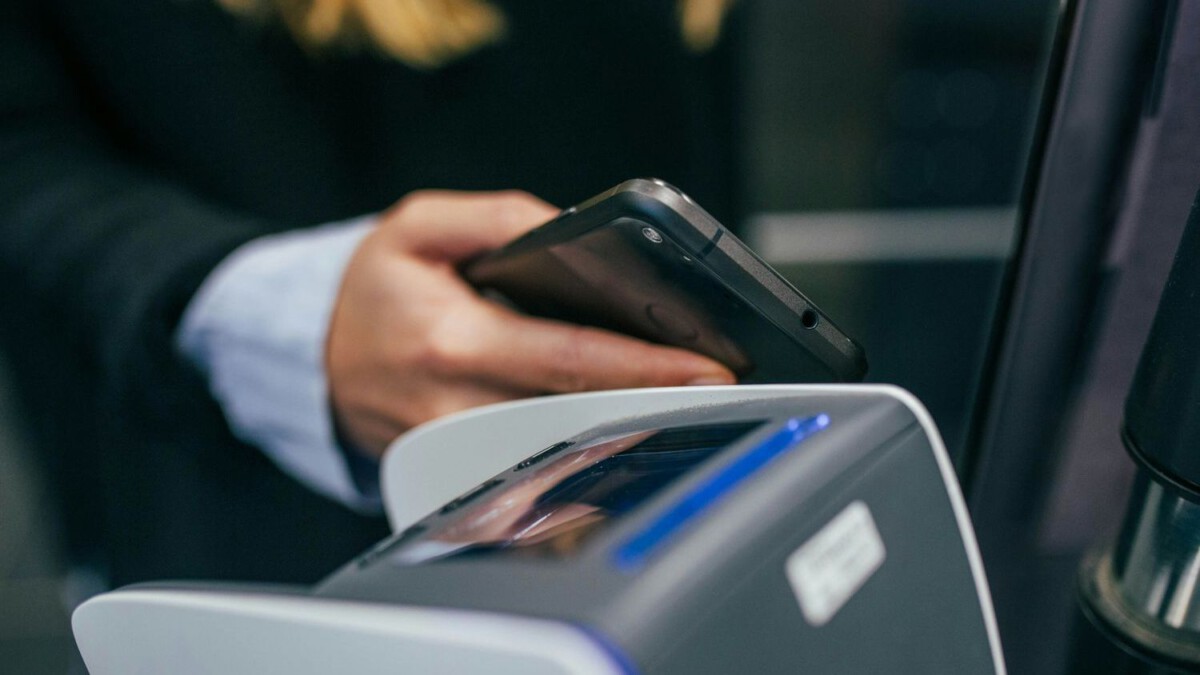
The Surge in Installment Payment Plans (Image Credits: Unsplash)
Americans increasingly turned to buy now, pay later options last year for everything from electronics to emergency medical expenses. These installment plans offered quick approvals and no interest, making big purchases feel manageable at checkout. Yet financial experts noted that the convenience masked accumulating risks, as multiple small payments began overwhelming family finances across the country.
The Surge in Installment Payment Plans
Retailers and online platforms rapidly adopted buy now, pay later services to boost sales during a period of heightened e-commerce. Shoppers appreciated the fixed payment schedules and soft credit checks that avoided dings to their credit scores. The model gained traction especially amid rising credit card interest rates, providing a seemingly straightforward alternative.
Providers reported higher conversion rates and larger average orders as customers committed to purchases they might otherwise delay. Travel sites and gadget retailers promoted the plans prominently, often defaulting to four equal payments over six weeks. This approach proved resilient even after pandemic shopping peaks subsided, embedding itself in everyday transactions.
Mechanics of BNPL and Emerging Dangers
Typical plans divide purchases into biweekly installments, with many capping at four payments to maintain the interest-free appeal. Longer options extend up to a year but sometimes introduce fees or interest for extensions. Approvals rely on basic checks, enabling users to secure multiple loans quickly across different merchants.
The core issue arises from layering these obligations. Households juggling plans from various apps face fragmented due dates, complicating cash flow management. Late payments incur fees, and persistent misses can lead to credit reporting, amplifying long-term damage. Refund complications further strain budgets, as returns often fail to pause or adjust ongoing loans promptly.
Debt counselors highlighted the overuse potential in such setups. “While such loans can help you make large purchases without paying interest or undergoing hard inquiries in your credit report, they can also easily be overused,” one expert observed. Scattered tracking tools exacerbate the problem, turning minor conveniences into major liabilities for unprepared users.
Regulators Step Up Oversight
U.S. and European watchdogs expressed growing alarm over transparency gaps and aggressive late fees in the sector. They urged providers to enhance disclosures and streamline dispute processes for faulty goods. Reports surfaced of elevated return rates tied to installment purchases, where mismatched refunds left consumers paying for unwanted items.
Authorities pushed for better practices to address repeat borrowing without comprehensive affordability assessments. This scrutiny came as complaints mounted about hidden charges and poor synchronization between returns and repayments. Providers faced calls to share data more effectively, aiming to prevent the kind of unchecked stacking that erodes household stability.
Industry Defenses and Consumer Strategies
Supporters of buy now, pay later emphasized its role in sidestepping high-interest credit card debt. They showcased features like payment reminders, dynamic spending limits, and zero-interest structures for short terms. Retailers credited the plans with attracting younger demographics and facilitating sales of pricier goods like furniture.
Consumers can mitigate risks through deliberate habits. Financial advisors recommended centralizing all obligations in one overview, steering clear of simultaneous multiple plans, and scrutinizing fee structures upfront. Verifying refund policies proves essential for reversible purchases, while traditional cards offer added protections in uncertain scenarios.
- Maintain a unified tracker for all plans and deadlines.
- Limit new loans to avoid monthly overlaps.
- Review terms for potential interest or penalties on extended plans.
- Prioritize items with straightforward return processes.
Looking forward, regulators anticipate stricter rules on disclosures and affordability checks, while retailers remain committed to the sales lift these plans provide. The interest-free promise retains its draw for cash-strapped families, but success hinges on disciplined use. Households that treat each installment as a firm commitment, rather than invisible spending, stand best positioned to harness the benefits without the fallout.