
Americans snapped up close to 1.5 million sedans in 2025, accounting for roughly one in every ten new vehicles sold.[1][2] That’s no small number, especially as SUVs hold over half the market at around 59 percent.[2] While the shift isn’t flipping the overall script, affordability woes and steady reliability are pulling thousands toward these familiar four-doors instead of towering crossovers.
Sedan sales held firm amid broader economic squeezes, with models like the Toyota Camry moving 316,000 units.[1] High interest rates and sticker shock on SUVs are key nudges. Buyers seem ready to rethink the high-riding craze.
1. SUV Prices Are Out of Reach
Average new SUV prices topped $43,600 last year, while sedans hovered around $37,400.[3] That gap hits hard when budgets tighten. Families eyeing crossovers often pivot to cheaper sedans for similar space without the premium.
Inflation and high rates amplify this. Monthly payments on pricier rides stretch too far for many. Sedans deliver value without sacrifice.[4]
2. Fuel Savings Add Up Fast

Sedans typically sip less gas than bulkier SUVs. Lower fuel costs rank high among buyer priorities right now.[4] With pump prices volatile, that efficiency pays off weekly.
Owners report real relief at the register. Hybrids like the Camry boost this edge further. It’s practical math steering choices.
3. Entry-Level Appeal for New Buyers

Compact sedans start near $22,000, a steal versus $50,000 averages across vehicles.[4] Younger drivers and first-timers flock here for the low barrier. Brands like Kia and VW lean on this to hook lifelong customers.
The Kia K4 and Forte combo sold over 140,000 units last year. Affordability draws them in, then loyalty builds. It’s a smart play in tough times.
4. Toyota’s Reliability Reigns

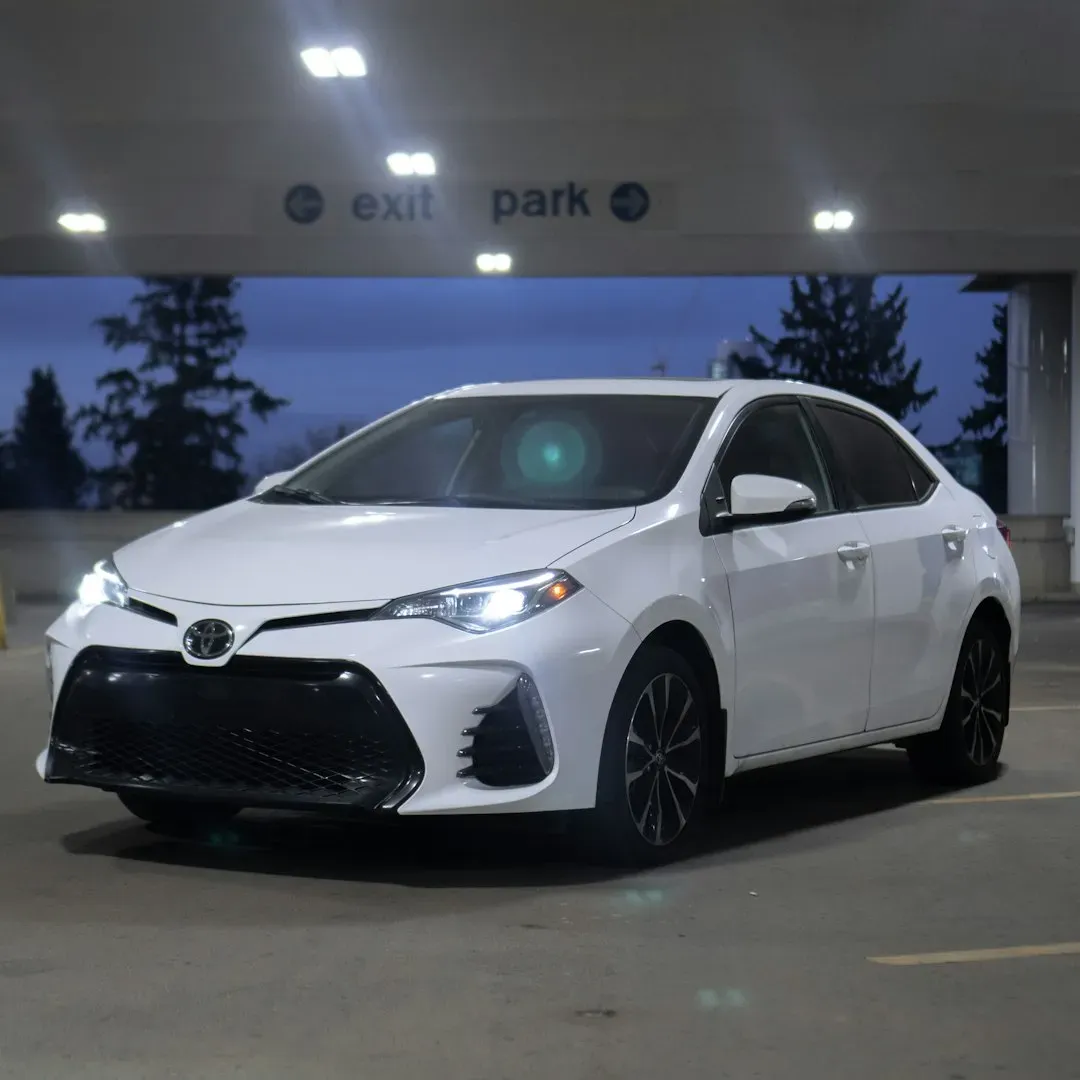
The Camry led with 316,185 sales, up 2 percent from 2024.[1] Buyers trust its long-term dependability and top safety scores. No wonder it outsells many SUVs in value terms.
Corolla followed close at 248,000 units. These hold value and run forever. That’s pulling switchers from flashier options.
5. Automakers Reconsidering Sedans
Detroit paused on sedans but now eyes a comeback. GM mulls hybrid models for affordability.[5] Foreign brands never quit, dominating with reliable rides.
Toyota vows to keep investing, even at 15 percent market slice.[4] Fresh designs and EVs signal more options ahead. Buyers notice the renewed push.
6. Smoother Ride and Handling
Sedans hug roads better than tall SUVs. Lower centers of gravity mean confident corners. Daily drivers feel the difference.
Highway stability shines too. Less wind push, more control. It’s why some trade bulk for precision.
7. Urban Life Favors Low Slung
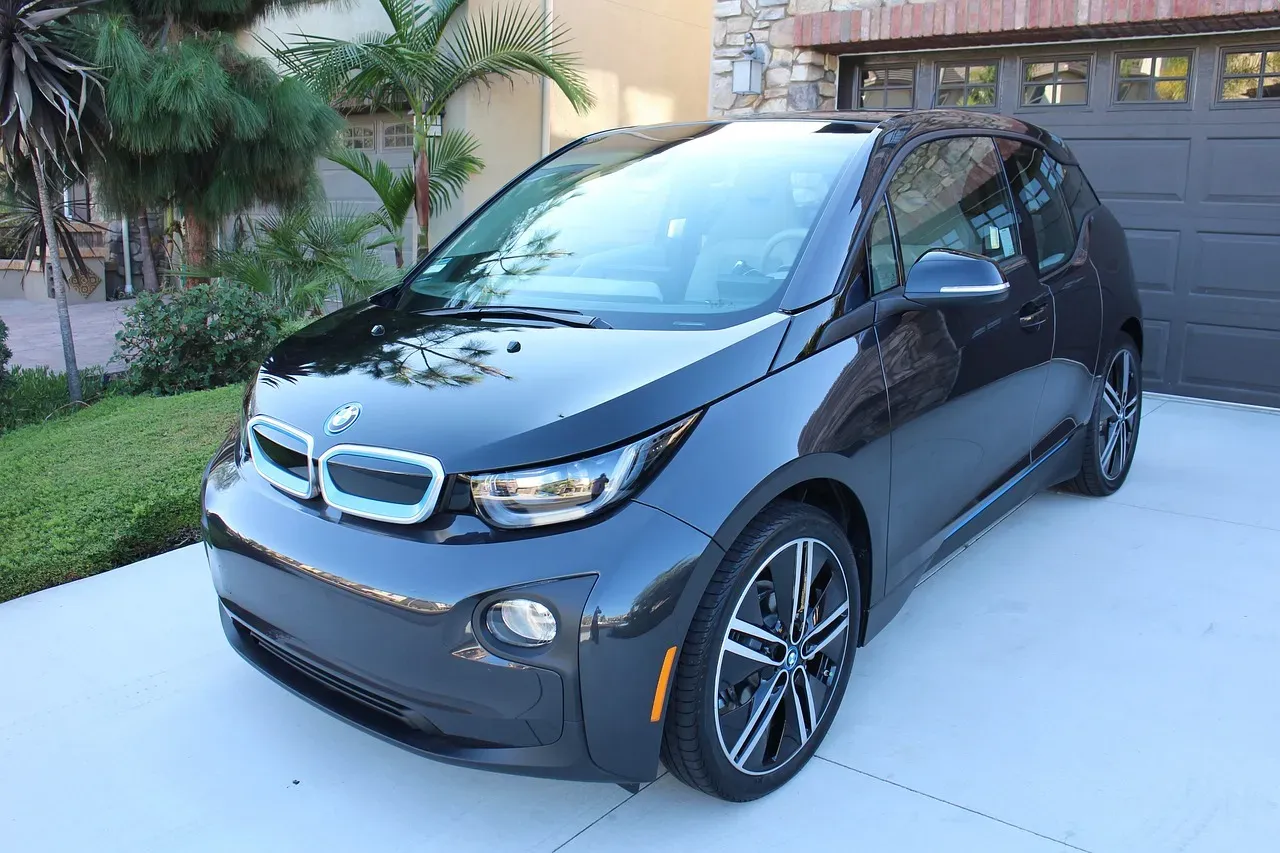
Cities mean tight parking and traffic. Sedans slip in easier than wide SUVs. Shorter lengths help navigate.
Many metros see this shift daily. Practicality trumps status for commuters. Space inside still impresses.
8. Hybrids Bridge the Gap

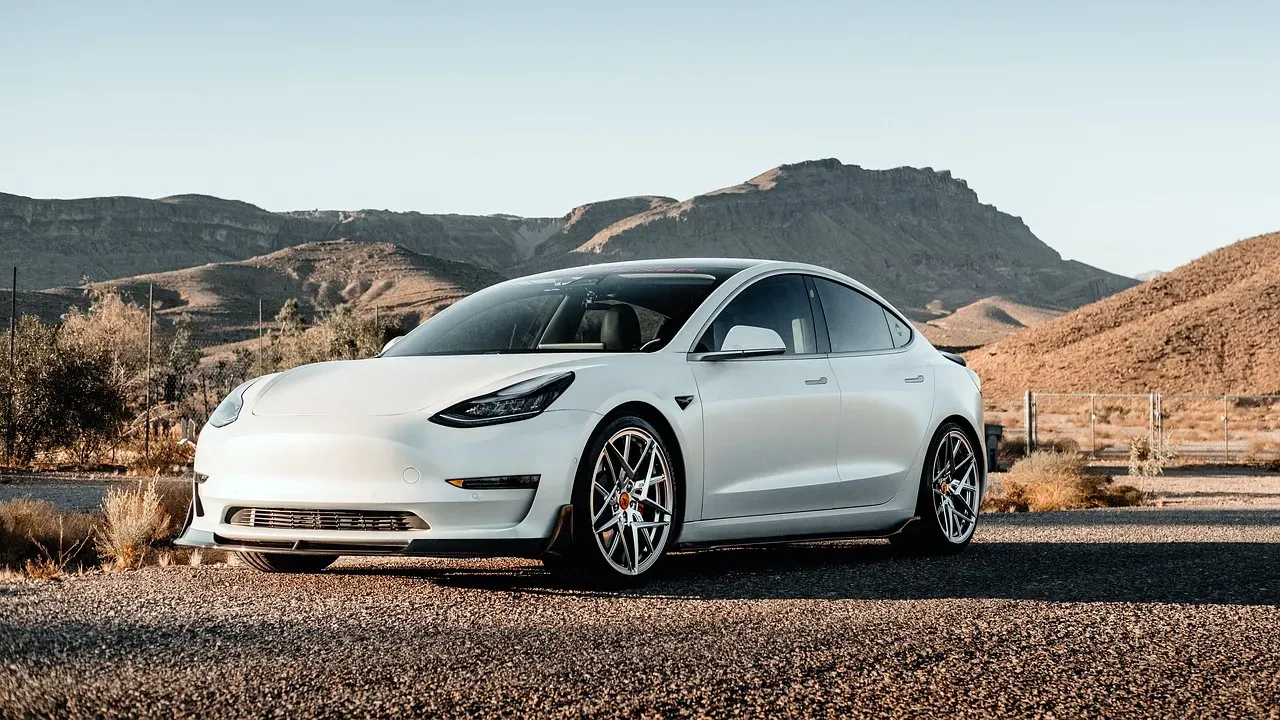
New Camry went all-hybrid, blending efficiency with power. Sales held strong through the change.[1] Tesla Model 3 adds electric pull too.
These cut fuel bills without full EV leap. Range anxiety fades. Smart buyers weigh this heavily.
9. Teens Buck the SUV Trend
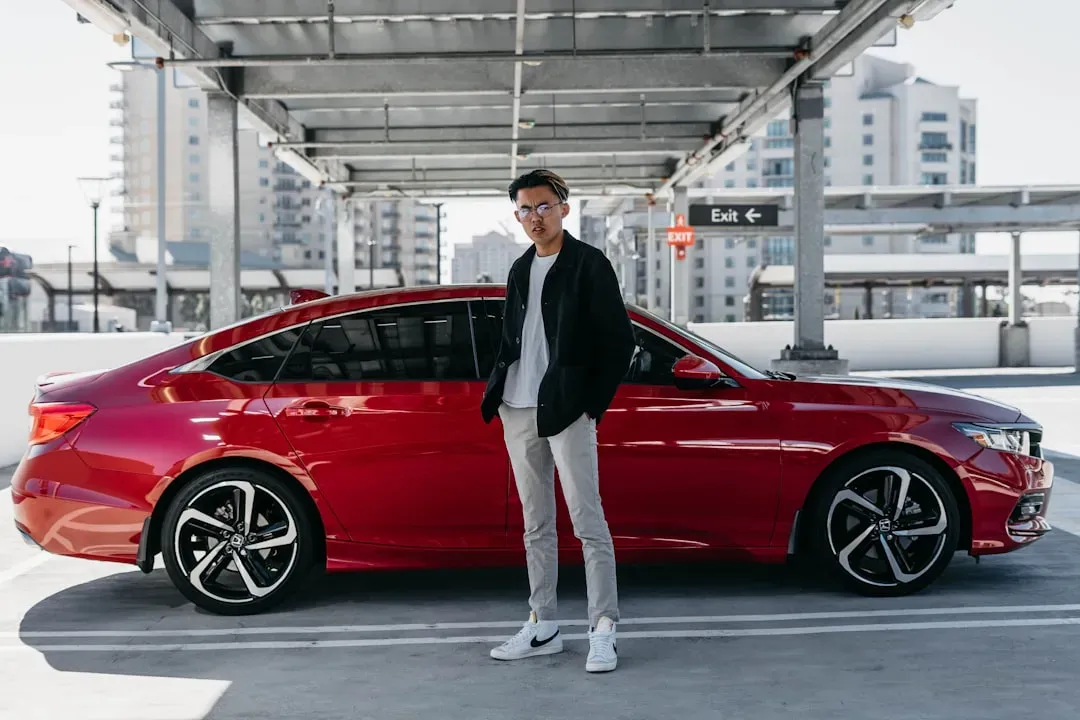
Surveys show U.S. teens pick sedans over trucks or SUVs. Sporty looks and fun factor win them over.[6] Future buyers shape tomorrow’s market.
Brands target this group early. Affordable entry models build habits. It’s a quiet generational pivot.
10. Broader Economic Squeeze

Vehicle age hit 12.6 years amid high costs. Buyers stretch budgets, favoring sedans.[3] Intent for cars rose 3 percent recently.
Interest rates linger high. Middle-income folks rethink big spends. Sedans fit the reset perfectly.
Sedans won’t dethrone SUVs soon, but their steady slice proves enduring appeal. As prices ease or habits shift, more trades could follow. For now, smart money spots value where it lives.