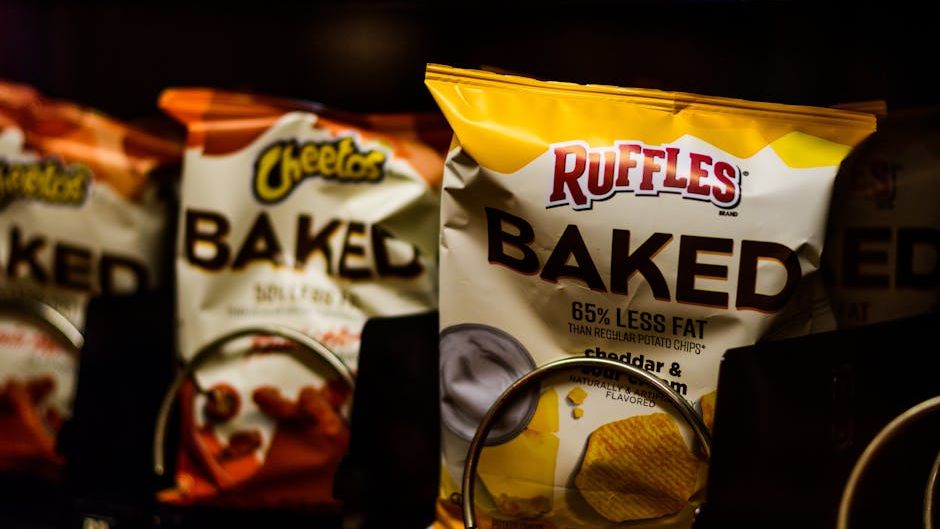
Some Japanese snack packages are turning black-and-white as Iran war depletes ink supply – Image for illustrative purposes only (Image credits: Pexels)
Supply disruptions from the conflict in Iran have reached Japanese store shelves in an unexpected way. Major snack maker Calbee Inc. will begin selling some of its potato chips and other products in packaging that uses only black and white ink starting later this month. The move reflects how distant geopolitical events can quickly affect everyday consumer goods in one of the world’s most import-dependent economies.
The Conflict’s Reach Into Daily Life
The war has effectively closed the Strait of Hormuz, a vital shipping route for oil and related chemicals. Japan imports nearly all of its oil, and a key byproduct called naphtha serves as a feedstock for plastics and printing inks. When supplies of naphtha tighten, manufacturers face higher costs and allocation limits that force difficult choices.
Calbee, founded in 1949 and employing more than 5,000 people across its group, is one of the first major food companies to act publicly. The company produces popular items such as lightly salted potato chips and shrimp-flavored snacks that are sold widely in convenience stores and exported to the United States, China, and Australia. Its decision to limit ink colors on 14 products illustrates how even small packaging changes can help preserve production volumes when raw materials become scarce.
Calbee’s Timeline and Stated Goals
The new monochrome packaging will appear on store shelves beginning May 25. Calbee described the step as a flexible response to shifting geopolitical conditions rather than a permanent redesign. Officials stressed that the contents of the packages remain unchanged and that the goal is simply to keep products available without interruption.
The company has not indicated how long the limited-color format will continue. In a statement issued this week, Calbee said it would continue to monitor developments and adjust as needed while maintaining its focus on safe, high-quality supply. The announcement came shortly after the firm outlined an ambitious growth plan in March, underscoring the speed with which external events can alter internal strategies.
What Matters Now
The practical effect for shoppers is straightforward: familiar bright-orange bags will give way to simpler black-and-white designs, yet the snacks inside will taste the same.
Japan’s Broader Supply Position
Government officials have sought to reassure the public by pointing to the country’s strategic oil reserves, which have helped cushion earlier price spikes. Still, the naphtha shortage highlights Japan’s structural vulnerability to any prolonged disruption in Middle Eastern energy flows. Other industries that rely on the same chemical feedstock could face similar pressures if the conflict continues.
Calbee’s move is therefore being watched as a possible early signal of how consumer-goods companies may adapt. By reducing ink usage, the firm frees up limited supplies for other producers while avoiding price increases or outright shortages. The approach keeps the focus on continuity rather than dramatic announcements.
Looking Ahead
Consumers are unlikely to notice any difference in product quality or availability in the near term. The change serves mainly as a visible reminder that global supply chains remain tightly linked to events far beyond Japan’s borders. Calbee has asked for public understanding while it navigates the situation, a request that reflects the company’s long-standing emphasis on steady delivery of its well-known brands.