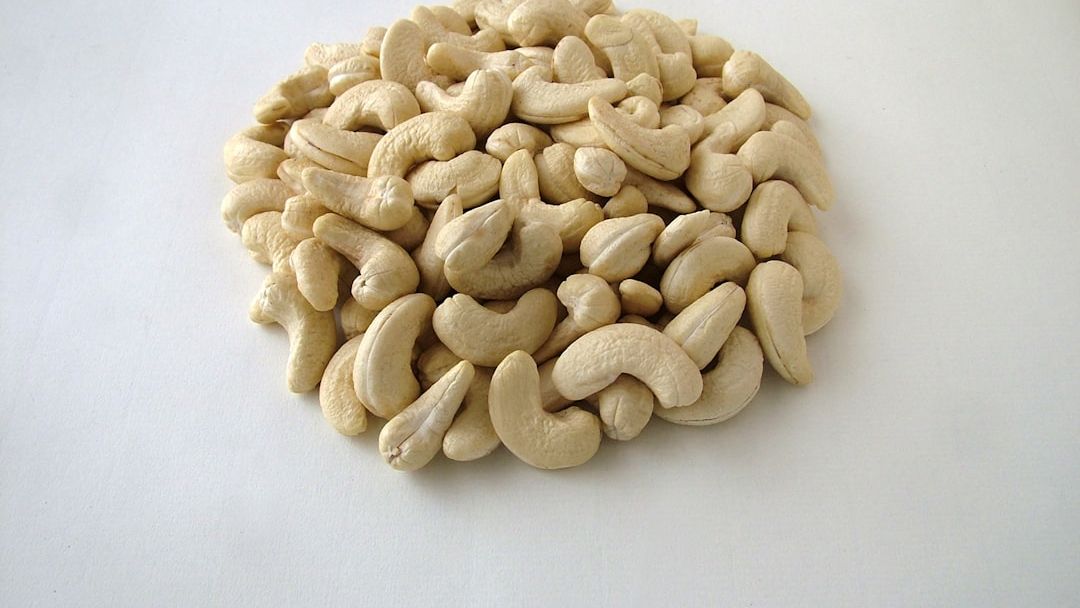
‘Need to explore the value-addition potential of cashew apples instead of wasting them’ – Image for illustrative purposes only (Image credits: Unsplash)
The cashew industry has traditionally centered on the nut itself, leaving the fleshy apple portion of the fruit largely unutilized after harvest. This approach has resulted in substantial waste across production regions, even as demand grows for sustainable and versatile food ingredients. Industry observers now point to cashew apples as a resource that could address needs in both commercial supply chains and direct consumer products.
Why Value Addition Matters in Current Production Practices
Processing facilities often discard cashew apples shortly after the nuts are extracted, viewing them as secondary or perishable material. This pattern persists despite the apples’ natural composition, which lends itself to further refinement into usable forms. Experts note that shifting focus toward these apples could reduce losses while opening pathways for additional revenue streams in agriculture-related sectors.
Current handling methods prioritize speed and efficiency for the nuts, yet this leaves behind material that holds functional properties suitable for broader applications. Without targeted exploration, the opportunity to integrate cashew apples into existing food systems remains limited. The emphasis on value addition reflects a broader push within the sector to maximize outputs from every part of the harvest.
Applications Across B2B and B2C Channels
Cashew apples can be processed into ingredients that meet the specifications of business-to-business buyers seeking natural flavor enhancers or textural components. At the same time, they offer potential for direct-to-consumer items such as juices, preserves, or dried products that appeal to health-conscious households. This dual reach allows producers to diversify beyond traditional nut exports.
Supply chain partners in the food industry have begun to recognize the apples as a consistent raw material when properly handled. For individual consumers, the resulting products provide an alternative source of nutrients derived from a familiar tropical fruit. Industry assessments indicate that both segments stand to benefit from scaled processing techniques that preserve quality and extend shelf life.
Role in Emerging Vegan and Plant-Based Products
The pomace left after juice extraction from cashew apples serves as a viable base for vegan meat formulations. This byproduct contributes fiber and binding qualities that align with the texture requirements of meat alternatives. Manufacturers in the plant-based sector have incorporated it to create products that cater to dietary preferences without relying on animal-derived components.
Integration of cashew apple pomace supports efforts to develop cleaner-label options in the growing vegan market. It also provides a practical outlet for material that would otherwise contribute to agricultural waste streams. As demand for such alternatives continues, this application demonstrates one concrete way to link cashew production with evolving food trends.
What matters now is coordinated investment in processing infrastructure that can capture these opportunities before the next harvest cycle.
Adoption of these practices would require collaboration among growers, processors, and product developers to establish reliable supply routes. The result could be a more resilient cashew value chain that aligns economic returns with reduced environmental impact. Continued attention to these possibilities positions the industry to respond effectively to shifting market expectations.