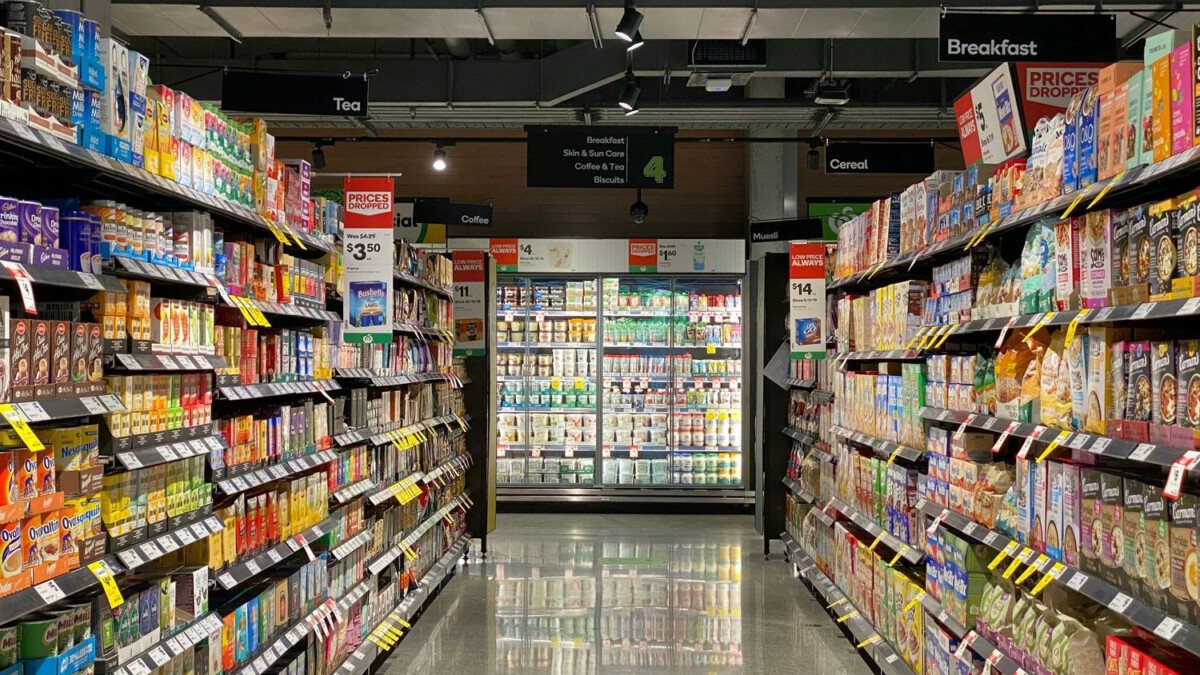
How Redditors Save Money on Groceries – Image for illustrative purposes only (Image credits: Unsplash)
Food prices continue to climb, with a 0.7 percent increase from March to April alone and notable jumps in items like beef and tomatoes. In response, many households have looked to online forums for practical ways to manage weekly spending without sacrificing nutrition. Reddit communities focused on personal finance have surfaced a collection of tested approaches that emphasize reducing waste and curbing impulse buys. These methods reflect real experiences shared by users navigating higher costs of living.
Building Meals Around Existing Stock
One widely discussed tactic involves reversing the usual meal-planning process. Shoppers first inventory what sits in the refrigerator, freezer, and pantry, then search for recipes that use those ingredients. This step prevents duplicate purchases and cuts down on food that might otherwise spoil. Users report that the approach quickly becomes routine and helps stretch existing supplies further than expected.
Keeping a simple inventory list, whether on paper or a phone note, supports the same goal. The list tracks what remains in storage and signals when items need use before they expire. Households that adopt this habit often notice fewer forgotten purchases and less overall waste over time.
Clearing Out Leftovers Systematically
Designating one evening each week as an “eat everything” night has gained traction among frequent posters. Families prepare soups, stews, or casseroles from produce nearing its end or combine random leftovers into a single meal. Some extend the practice to an entire week each month, consuming only what is already on hand. The result is a noticeable drop in both grocery runs and discarded food.
Participants describe the practice as surprisingly flexible. It encourages creativity with available items and reduces the pressure to buy new ingredients every day. Over several weeks, the savings add up without requiring major changes to eating habits.
Shopping With Intention at the Store
Ordering groceries for free curbside pickup ranks among the most repeated recommendations. The method lets shoppers review the full cart total before finalizing the order, which discourages last-minute additions. Those who need only a handful of items sometimes carry a basket instead of a cart to limit what they can carry.
Exploring ethnic grocery stores for spices, rice, beans, and fresh produce offers another route to lower prices. These outlets frequently stock staples at competitive rates compared with larger chains. Shoppers who rotate between store types report consistent reductions in their monthly totals while maintaining variety in meals.
Extending Proteins and Planning for Busy Evenings
Stretching meat portions by mixing in lentils, mushrooms, grated vegetables, or oats appears regularly in discussions. The additions increase volume without raising costs and maintain satisfying meals. Families note that the technique works across many common dishes and requires minimal extra effort.
Keeping a few frozen emergency meals on hand, such as pizza or burritos, helps avoid expensive takeout on hectic nights. Users set aside one or two such options each week specifically for this purpose. The small upfront cost prevents larger unplanned expenses when energy for cooking runs low.
These community-sourced ideas demonstrate how small, consistent adjustments can ease pressure on household budgets during periods of rising food costs. Households that test several of the strategies often find combinations that fit their routines and deliver measurable results over time.