Drones, Outfitted Trailers, and 10,000 Cameras: a Visit to Maru Campos’s “Mini-Pentagon” in Chihuahua – Image for illustrative purposes only (Image credits: Unsplash)
Ciudad Juárez, Chihuahua — A sleek tower pierces the skyline here, its upper floors humming with the glow of monitors tracking thousands of cameras across this violence-plagued border state. Dubbed the “Mini-Pentagon” by critics on social media, the Centinela Tower serves as the nerve center for Governor Maru Campos’s ambitious security initiative. Recent revelations about U.S. agents operating in the area have cast a shadow over the project, prompting officials to review plans for foreign personnel inside the building.
Origins of the Foreign Presence Controversy
The scrutiny intensified after two CIA agents died in a road accident following their role in dismantling a drug lab. State officials had publicly discussed allocating the 18th floor to U.S. entities including the FBI, DEA, and Customs and Border Protection. Chihuahua’s Secretary of Public Security, Gilberto Loya, made the announcement on April 13, framing it as a step to enhance coordination.
That position evolved quickly. Undersecretary Adrián Eduardo Chavira later clarified to reporters that no final decisions had been reached. State authorities confirmed they were evaluating the legal and logistical aspects, with Loya emphasizing adherence to protocols that include Mexico’s Ministry of Foreign Affairs. Access to the 18th floor remains restricted, fueling speculation about sovereignty implications.
Inside the Tower’s High-Tech Arsenal
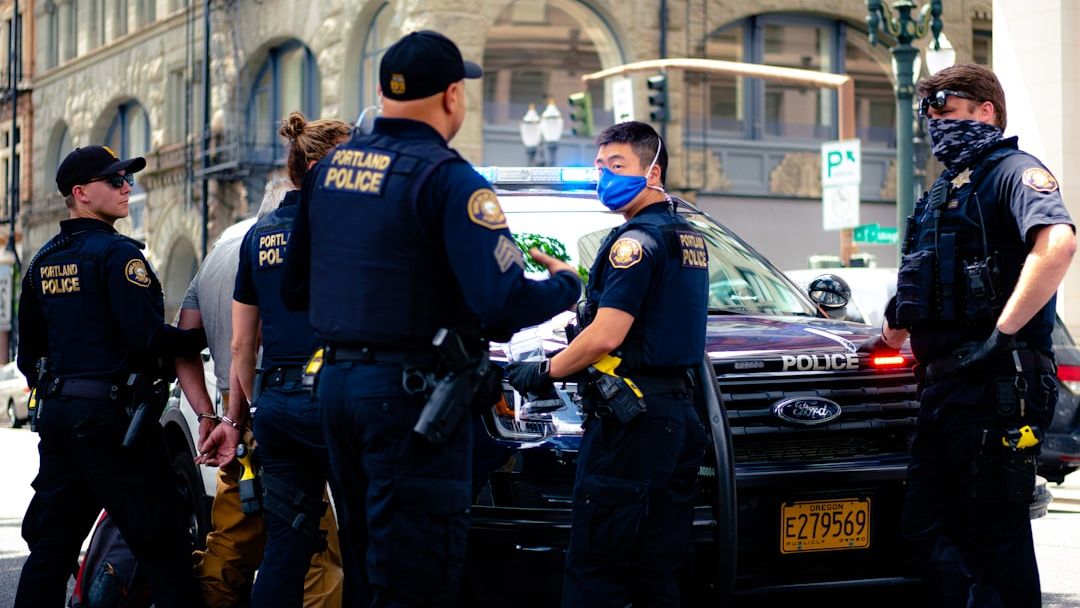
Engineered to endure harsh border winds, the Centinela Tower anchors Chihuahua’s Centinela program, relocated to Ciudad Juárez after the city topped global danger rankings. Officials note progress: Juárez has slipped from 12th to 17th among the world’s most violent cities. The 15th floor hosts the main C7 command center, where state police, the National Guard, and the Ministry of Defense monitor operations around the clock.
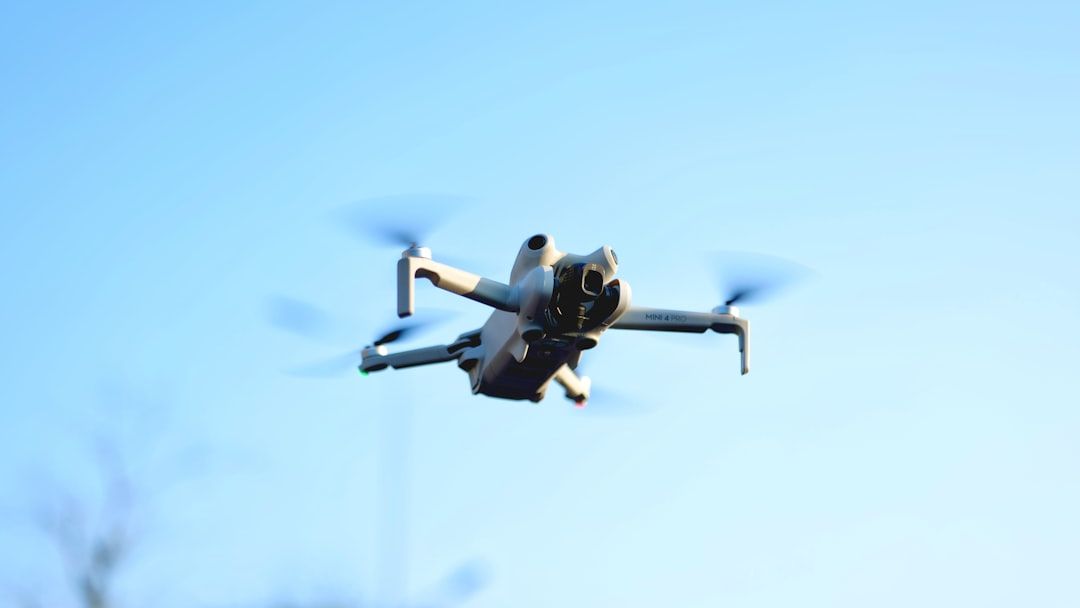
Chavira detailed the system’s scope during a tour of three operational floors. The state boasts 13 regional C7 centers powered by artificial intelligence. Surveillance covers 67 municipalities through more than 10,000 cameras on 3,065 poles, 102 highway arches, and 11 checkpoints. Mobile assets include 75 drones, 25 anti-drone defenses, and 40 satellite-linked camera trailers deployable statewide.
These tools support joint federal-state efforts against arms and drug trafficking. Operations have boosted fentanyl seizures, earning federal praise. Pablo Nava, director of operations at the C7, described the shift as a “complete 180-degree turn” from past strategies.
From Crime Hotspot to Coordinated Defense
The tower’s placement in Juárez responded directly to entrenched violence. High crime rates once defined the city, but relocation of the security secretariat brought measurable gains. Chavira attributed the improved rankings to concentrated resources, allowing real-time responses to threats.
Coordination extends beyond state lines under programs like the Border Security Protocol. Loya stressed President Claudia Sheinbaum’s view that such collaboration remains legal when foreign ministry representatives participate. Joint raids have disrupted narcotics flows, with state undersecretariats leading deployments that yield tangible results. Yet the involvement of U.S. personnel in local ops, confirmed in the drug lab takedown, triggered an official probe into potential sovereignty breaches.
Future Under a Cloud of Uncertainty
Construction nears completion, but the tower’s full potential hinges on resolving foreign access questions. Officials sidestep direct answers, focusing instead on technological transformations. Visible even from El Paso, Texas, the structure symbolizes Chihuahua’s determination to reclaim security amid cartel pressures.
As debates persist, the Centinela initiative underscores a broader tension: leveraging cutting-edge tools and international ties to combat organized crime without compromising national control. Whether the 18th floor opens to U.S. agencies could redefine border security dynamics in the years ahead.