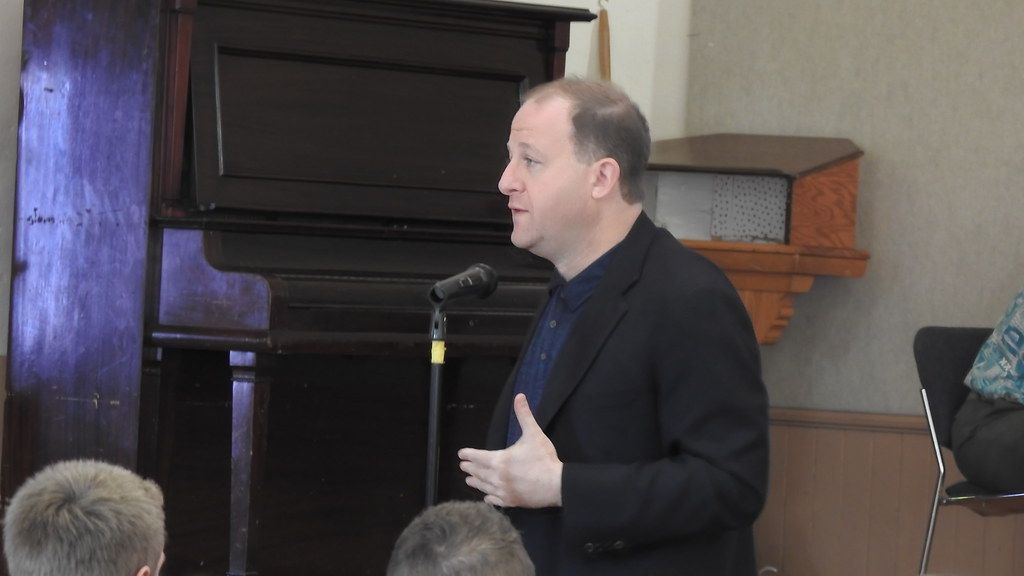
Gobernador de Colorado fue censurado por los demócratas por su decisión de liberar a Tina Peters, negacionista electoral – Image for illustrative purposes only (Image credits: Flickr)
Colorado’s political landscape shifted noticeably this week as the state’s Democratic Party took the unusual step of formally rebuking one of its own. Governor Jared Polis, long viewed as a pragmatic leader within the party, now faces internal consequences after he reduced the prison term of former Mesa County Clerk Tina Peters. The move has exposed fresh fault lines over how Democrats should handle cases tied to election integrity and accountability.
The Case That Sparked the Rift
Tina Peters served as the elected clerk in Mesa County until her 2024 conviction on charges related to unauthorized access to voting equipment. Prosecutors showed that she allowed outside individuals linked to election conspiracy theories to copy sensitive data from county systems in 2021. A jury found her guilty of conspiracy and other offenses, and an appeals court recently upheld the core convictions while ordering a resentencing on narrower grounds.
Polis acted on that resentencing by cutting Peters’ remaining time in state prison roughly in half. She is now scheduled for release on June 1. The governor’s office described the decision as a straightforward application of the facts and the appeals ruling, emphasizing that sentencing should not hinge on protected political speech.
How the Party Responded
State Democratic leaders moved quickly to distance the party from the governor’s choice. In a formal vote, the Colorado Democratic Party censured Polis and stripped him of several honorary roles, including appearances as a featured speaker at major party events such as the Obama Gala and DemFest. The party’s statement framed the reduction in sentence as a dangerous signal that political connections could soften consequences for election-related misconduct.
Party officials argued that the timing and context of the decision undermined public trust in democratic institutions. They stressed that the censure would remain in place until further review by the state central or executive committees. The action marks one of the sharper public rebukes a sitting Democratic governor has received from his own state organization in recent years.
Key Points from the Party’s Position
- The reduction sends the wrong message to anyone considering interference with election systems.
- Accountability must apply equally, regardless of political alliances.
- Polis will no longer receive official recognition or speaking slots at party-sponsored functions.
- The party reaffirmed its commitment to protecting voting integrity and the rule of law.
Voices on Both Sides of the Divide
Polis defended his action as an exercise of independent judgment. A spokesperson noted that doing what is right sometimes means accepting short-term unpopularity and that open debate strengthens democracy more than internal punishment. The governor has previously pointed to the appeals court’s concern that parts of the original sentence improperly weighed protected speech about elections.
Other Democrats offered support for the party’s stance. U.S. Representative Jason Crow issued a statement backing the censure and calling for consistency in defending democratic norms. Crow said the party must be willing to hold its own members accountable when actions appear to conflict with core principles of fairness and institutional respect.
Looking Ahead in Colorado Politics
The episode leaves Polis in a more isolated position within his party at a time when national attention on election-related cases remains high. Peters has been portrayed by some supporters as a victim of overreach, while critics see her release as a concession that could embolden further challenges to election processes. The coming months will show whether the censure remains largely symbolic or leads to longer-term shifts in how the state party handles internal disagreements.
For now, the episode underscores a broader tension: how parties balance calls for mercy or legal nuance against the need to project unwavering commitment to electoral safeguards. Colorado Democrats have chosen a clear public signal, and the governor has chosen to stand by his decision. The conversation is far from over.