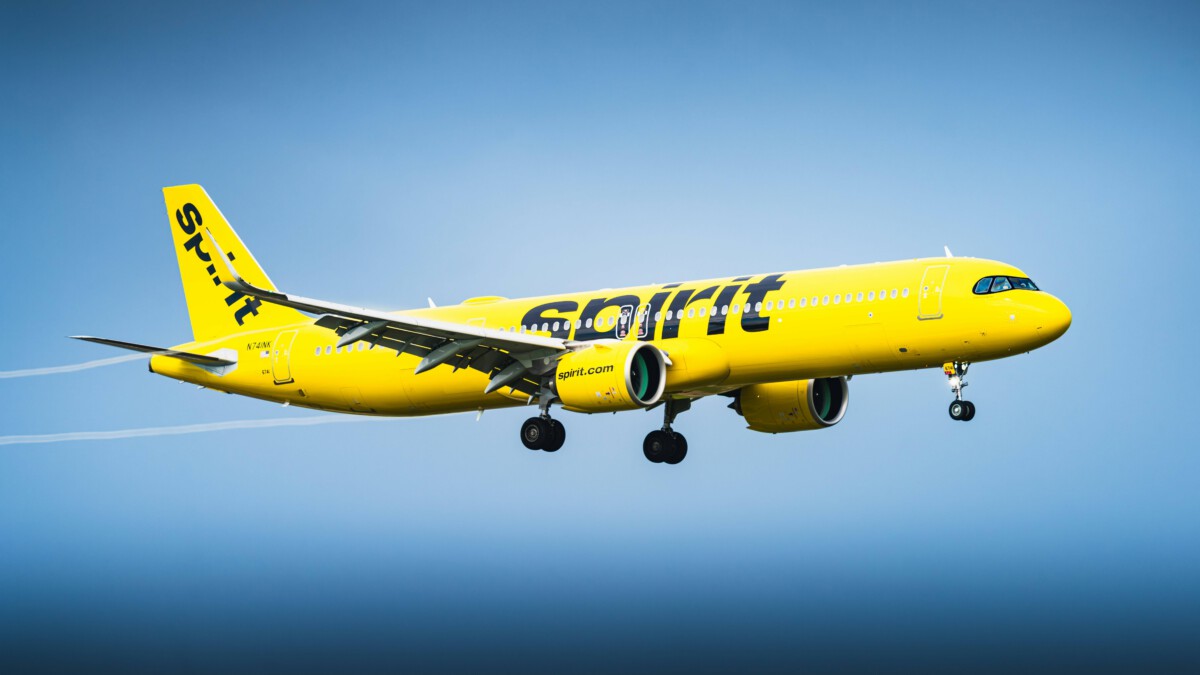
Spirit Airlines poised to cease operations as soon as Saturday, barring last minute intervention – Image for illustrative purposes only (Image credits: Unsplash)
Spirit Airlines has reached a critical juncture, with the budget carrier preparing to halt operations as early as Saturday morning due to depleted cash reserves. Reports from multiple outlets detail how stalled negotiations for a $500 million government bailout have left the airline without a lifeline.[1][2] This situation threatens to disrupt travel plans for thousands of passengers across the United States, amplifying concerns for those holding tickets on upcoming flights.
The Tight Timeline Ahead
Sources familiar with the matter indicated that Spirit Airlines expects to cease operations around 3 a.m. ET on Saturday, unless last-minute intervention materializes.[2] The airline’s cash on hand had dwindled to the point where it could sustain only a few more days of flying. High jet fuel prices, exacerbated by geopolitical tensions including the U.S.-Iran war, accelerated the cash burn.[3]
Spirit continued normal operations through Friday, with flights departing as scheduled and tickets still available for sale. Employees had not received directives to stay home over the weekend as of late afternoon.[4] A company spokesperson emphasized that the airline remained focused on safely completing current flights.
Collapse of the Bailout Effort
Negotiations for federal assistance broke down after bondholders objected to the proposed terms, viewing them as detrimental to their interests. President Trump announced that his administration presented a final rescue proposal to Spirit, potentially involving government warrants convertible into a significant equity stake.[1][2] Transportation Secretary Sean Duffy questioned the wisdom of further funding, describing it as throwing good money after bad.
The $500 million package aimed to bridge Spirit’s immediate shortfall amid ongoing losses. Trump signaled that any deal would prioritize taxpayer interests, stating his administration came first. No last-minute push for a bailout appeared likely as of Friday evening.[4]
Direct Consequences for Travelers
A shutdown would immediately affect passengers with confirmed bookings, potentially leaving them without flights and requiring rapid adjustments to itineraries. The carrier serves key routes from hubs like Detroit, Orlando, and Fort Lauderdale, where disruptions could cascade through busy travel periods.[2] While Spirit has navigated financial distress before, including two bankruptcies since late 2024, this scenario marks a sharper escalation.
Other airlines positioned themselves to assist. American Airlines implemented fare caps on main cabin tickets for affected Spirit routes. United Airlines and Frontier Airlines pledged support for displaced customers, including low-fare rebooking options.[4]
- Monitor your flight status closely through the Spirit app or website for cancellations.
- If a flight cancels, contact your credit card issuer promptly to dispute charges for undelivered services, as refunds may be possible.
- Review travel insurance policies; some may cover alternate arrangements, though exclusions for known financial issues like bankruptcy often apply.
- Explore rebooking with competitors like United or Frontier, which have signaled readiness to help, and remain flexible on dates and airports.
- Avoid new bookings until clarity emerges, given the high summer demand and elevated fuel costs.
Industry Ripples and Employee Stakes
Beyond individual travelers, a Spirit exit would remove a major ultra-low-cost player from the market, potentially leading to higher fares overall as competition eases. The airline employs about 17,000 people, whose jobs hang in the balance.[4] Analysts noted that Spirit’s presence had helped keep prices in check for all carriers.
Spirit had shrunk its fleet and refocused on core markets in recent months, emerging from its most recent bankruptcy last August. Surging fuel costs, now over 80% higher than earlier projections, upended those plans.[3]
As Saturday approaches, the airline industry watches closely for any reversal. While federal involvement remains a slim possibility, affected passengers would be wise to secure alternatives swiftly. The outcome underscores the fragility of budget travel in an era of volatile energy prices and economic pressures.