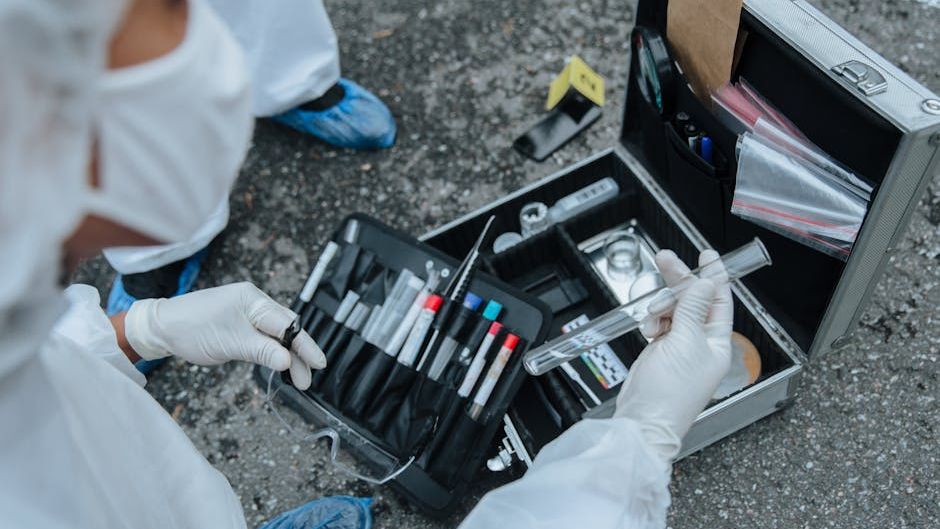
50-year-old missing persons cold case cracked after remains of San Francisco woman found in Texas ID’d – Image for illustrative purposes only (Image credits: Pexels)
San Francisco authorities have closed a long-standing missing persons investigation after DNA analysis matched remains discovered in Texas to a local woman who vanished more than five decades ago. The identification of the individual previously known only as Jane Doe marks the end of a case that began in the early 1970s and stretched across state lines. For the family left without answers for generations, the development delivers a measure of finality that had seemed increasingly unlikely with each passing year.
From Disappearance to Discovery
The woman, identified through genetic testing as Lanier, was reported missing from San Francisco in the years following her disappearance. Her case remained open as investigators pursued leads that ultimately yielded no resolution at the time. Decades later, remains recovered in Texas were submitted for advanced forensic examination, setting the stage for the eventual match. The San Francisco Police Department applied modern DNA techniques to compare samples from the remains against available records. This process confirmed the identity and allowed officials to link the Texas discovery directly to the original San Francisco report. With the match established, investigators formally closed the file after 53 years of active status.
Power of Forensic Advances
DNA analysis has transformed the handling of cold cases by providing objective links where traditional methods fell short. In this instance, the technology bridged the gap between an unidentified set of remains and a documented missing person from another state. The successful outcome highlights how stored evidence can yield results long after initial efforts concluded. Investigators noted that the identification process relied on careful preservation of samples and ongoing improvements in genetic databases. Once the match was verified, the department moved quickly to notify next of kin and update official records. The closure removes the case from active review while preserving the details for any future reference.
Resolution for Those Left Behind
Family members who waited through more than half a century of uncertainty now have confirmation of what happened to their loved one. The identification ends the open-ended questions that defined their experience for so long. Officials described the result as a step toward peace, even as it arrives well after the events themselves. A short list of immediate outcomes includes:
– Official closure of the San Francisco missing persons file
– Notification completed to surviving relatives
– Remains now properly accounted for under the correct name This development stands as one more example of how persistent forensic work can alter the final chapter of an old case. The family’s long wait has concluded with facts rather than continued speculation.