
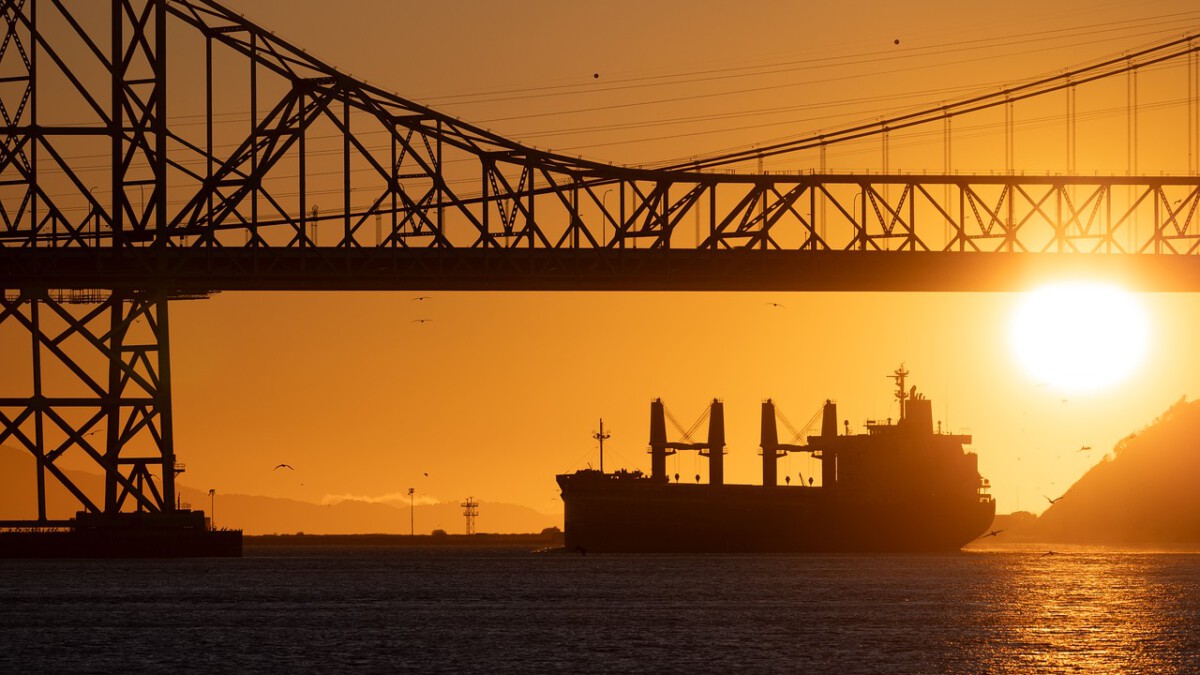
California gas prices could spike as imported oil supply dries up, industry warns – Image for illustrative purposes only (Image credits: Pixabay)
The last vessel to depart the Strait of Hormuz bound for California has completed its unloading at the port of Long Beach. This arrival signals the close of a supply route that has long supported the state’s imported oil needs. Industry analysts are now pointing to the possibility of tighter supplies and higher gasoline prices for California motorists in the weeks ahead.
Arrival Signals Shift in Supply Patterns
The completion of this delivery at Long Beach stands out because it is described as the final shipment from that route. Ports along the California coast have relied on such imports to help meet demand for refined fuels. With this particular channel now closed, attention has turned to how refiners will adjust their sourcing strategies.
Logistics experts note that vessels traveling through the Strait of Hormuz typically carry crude that is later processed into gasoline and other products sold at local stations. The end of these arrivals removes one steady source of feedstock for California refineries. Observers expect companies to explore alternative origins or increase output from domestic fields to compensate.
Industry Raises Alarm on Potential Price Pressure
Representatives from the energy sector have issued direct warnings that the drying up of imported oil could translate into higher pump prices. They emphasize that California already operates with limited refining capacity and strict environmental rules that can amplify the effects of any supply disruption. The timing of this final shipment has therefore drawn particular scrutiny from market watchers.
Analysts point out that even modest reductions in available crude can ripple through the supply chain quickly in a state that consumes large volumes of fuel daily. Refiners may need to pay more for replacement barrels from other regions, and those added costs often reach consumers within a short period. The warnings have prompted some drivers to monitor price trends more closely in the near term.
At the same time, the sector acknowledges that other factors, such as seasonal demand changes and global crude benchmarks, will also influence the final outcome. Still, the loss of this specific import stream is viewed as a notable development that could compound existing pressures on California fuel markets.
Outlook for Motorists and the Broader Market
California drivers may begin to notice gradual increases at the pump if replacement supplies prove more expensive or slower to arrive. The state’s unique blend of regulations and geography already makes it more sensitive to shifts in crude availability than many other regions. Industry forecasts suggest the impact could become clearer over the next several weeks as inventories are assessed.
Refiners and distributors are expected to communicate any adjustments in pricing as they secure new sources. Consumers who track weekly fuel reports may see the first signs of movement in those updates. The situation remains fluid, with companies continuing to evaluate options to maintain steady deliveries across the state.