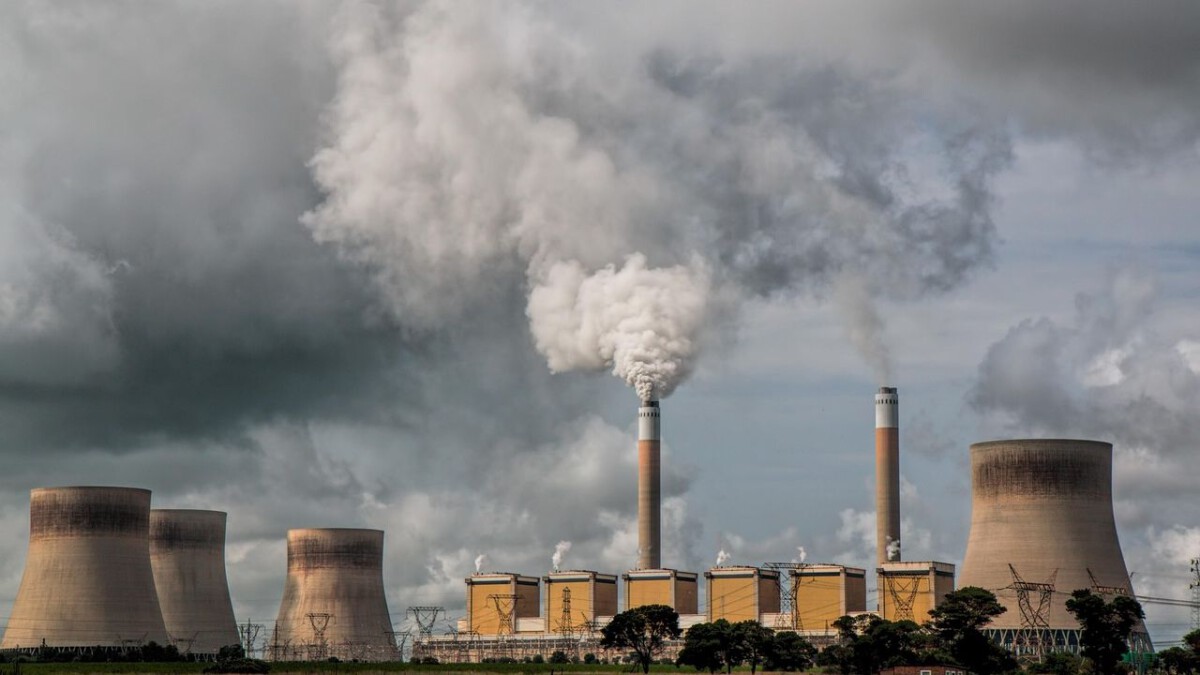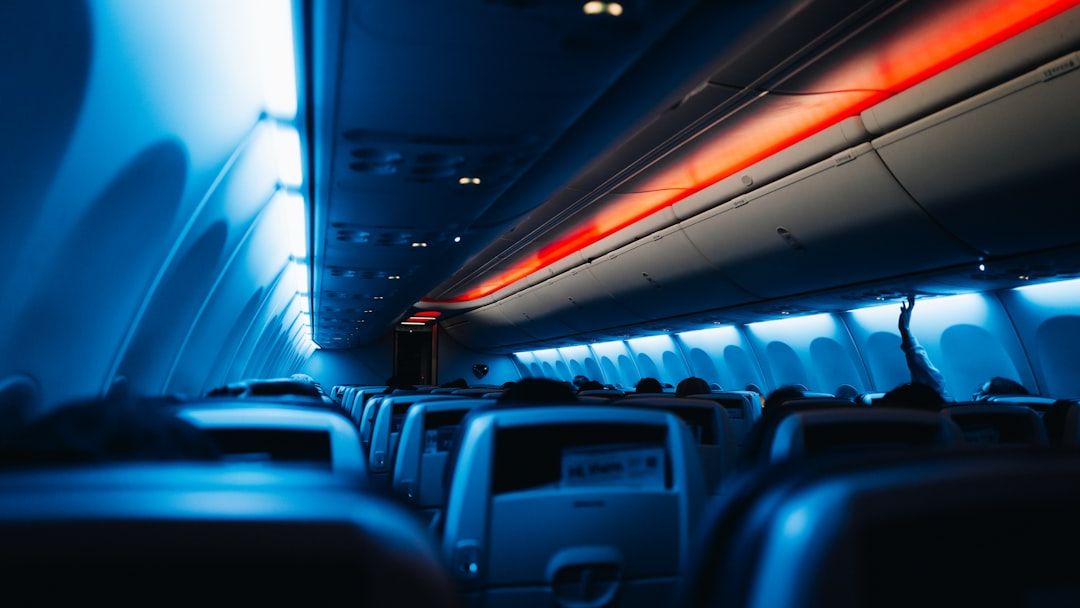

Air travel costs have climbed steadily in recent years, even during stretches when jet fuel prices eased after earlier spikes. Travelers often expect lower fuel bills to bring immediate relief at the ticket counter, yet that connection rarely holds in practice. A mix of structural changes in the industry keeps fares elevated regardless of short term shifts in energy markets.
Airlines operate with thin margins and face pressures that extend well beyond the price of a barrel of oil. These factors include everything from staffing to infrastructure, and they tend to persist even when fuel markets calm. The result is a pricing environment that feels disconnected from fuel trends alone.
Labor Costs Continue to Climb
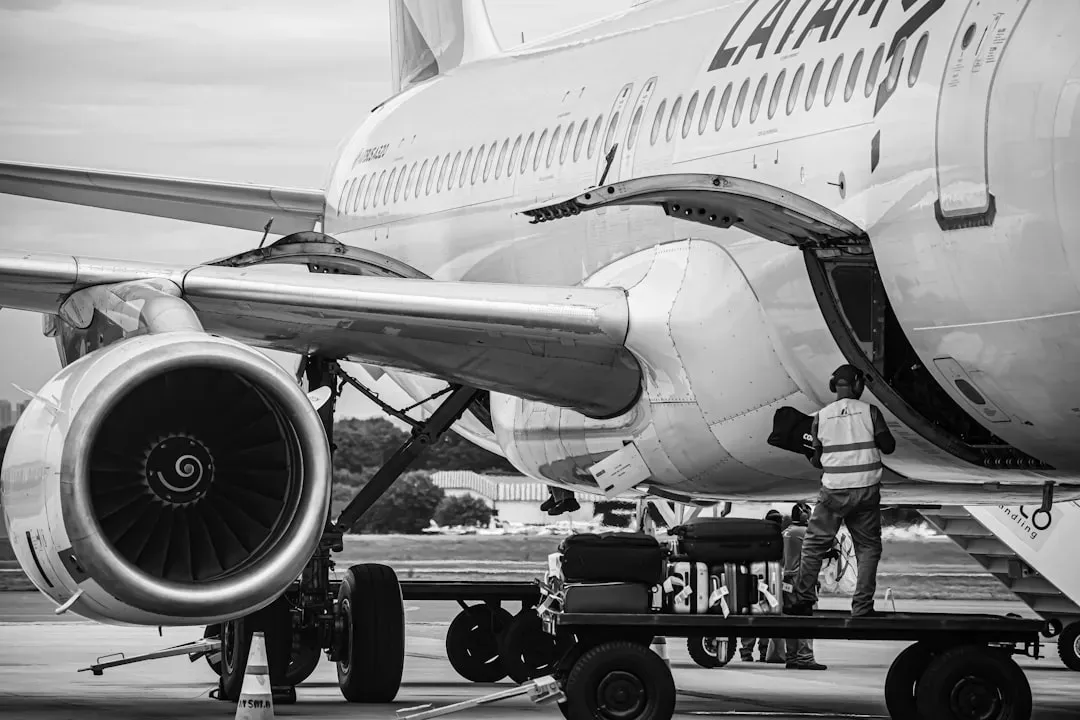
Airlines have seen steady rises in wages for pilots, cabin crew, and ground staff following a wave of contract renewals. These agreements often include annual increases that compound over time and now form a larger portion of total expenses. Industry data shows labor outlays growing several percentage points each year in many markets.
Because these contracts lock in higher pay for multiple years, carriers cannot quickly reverse course when fuel prices fall. The added expense gets built into base fares and stays there. Passengers end up covering part of that ongoing adjustment through higher ticket prices.
Airport Fees and Taxes Add Up

Airports around the world have raised landing fees, gate charges, and security levies to cover their own rising costs. These charges appear on every flight and add directly to the price travelers pay. Many facilities also pass along expenses tied to infrastructure upgrades and staffing.
Unlike fuel, which can fluctuate monthly, airport fees tend to move in one direction over longer periods. Airlines absorb some of the increase but pass most of it along. The cumulative effect shows up in every itinerary regardless of current oil market conditions.
Airlines Cut Capacity to Boost Profits
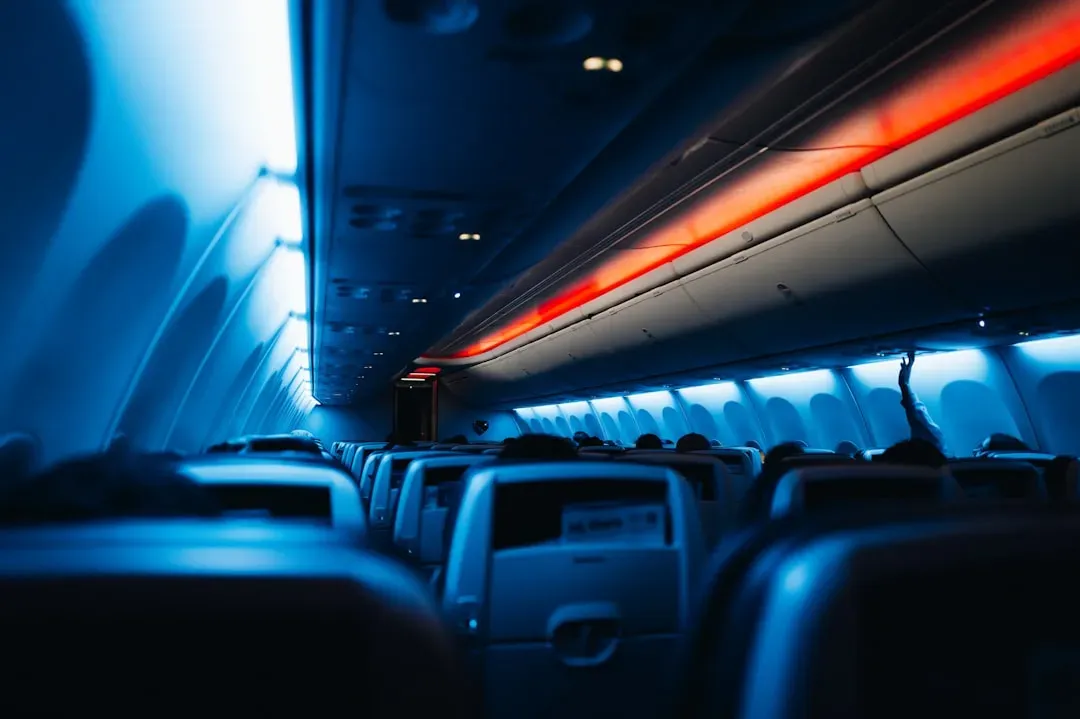
Carriers have trimmed flight schedules on many routes to match available aircraft and crews more tightly. Fewer seats on popular paths create scarcity that supports higher fares. This approach helps protect revenue even when fuel costs ease.
Capacity discipline became a standard practice after the pandemic and shows no sign of reversing soon. When supply stays limited, prices remain firm. Travelers notice the change through both higher costs and fewer convenient options.
Strong Demand Keeps Prices Elevated
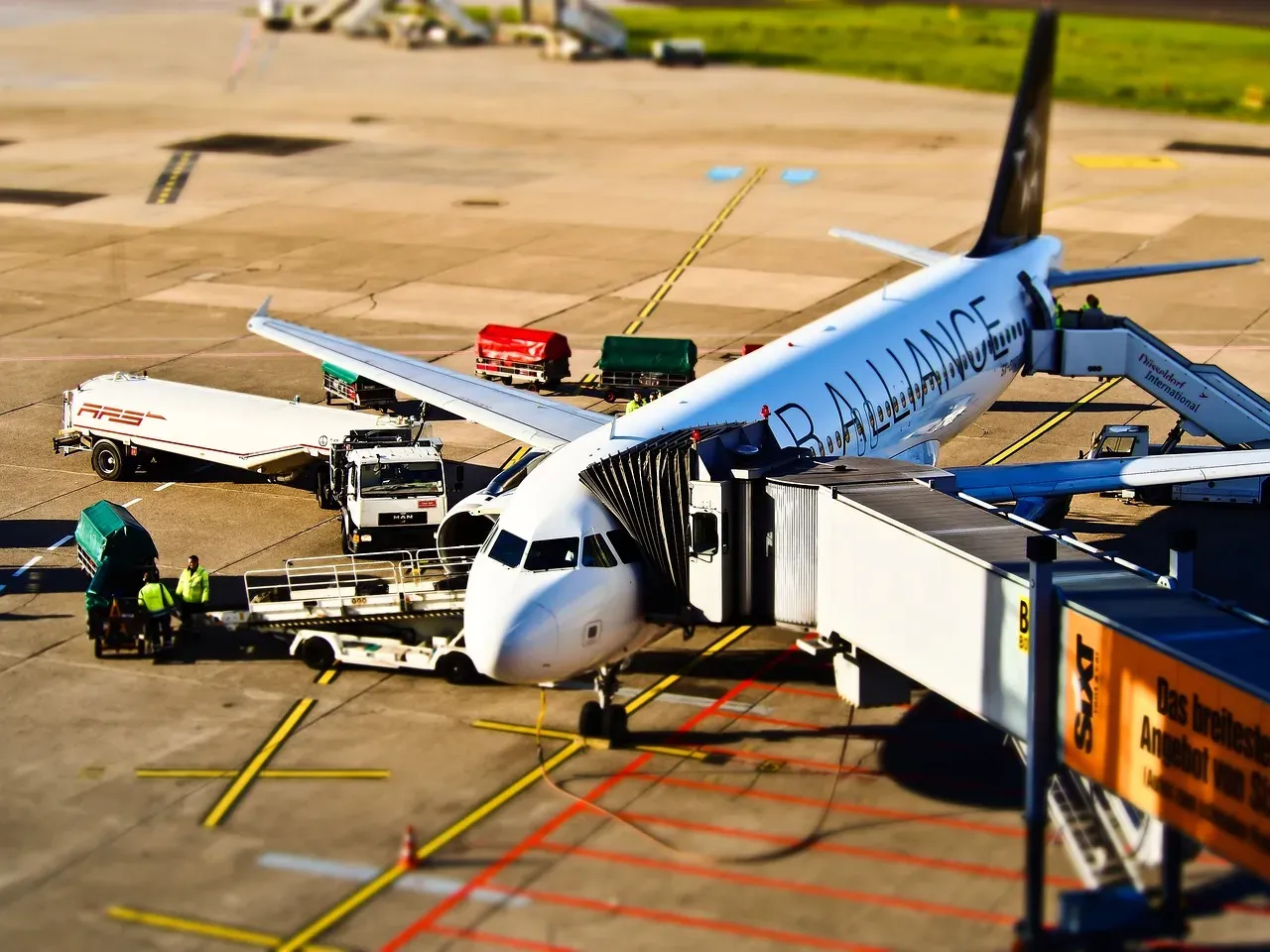
Leisure and business travel have rebounded strongly in many regions, with passenger numbers holding near record levels. Airlines respond by maintaining pricing power rather than discounting aggressively. Demand stays resilient even as individual ticket costs rise.
Premium cabins and flexible fares continue to sell well, which subsidizes the overall revenue picture. Carriers see little need to lower base fares when seats fill at current levels. The pattern holds steady across seasons.
Ancillary Fees Become More Common
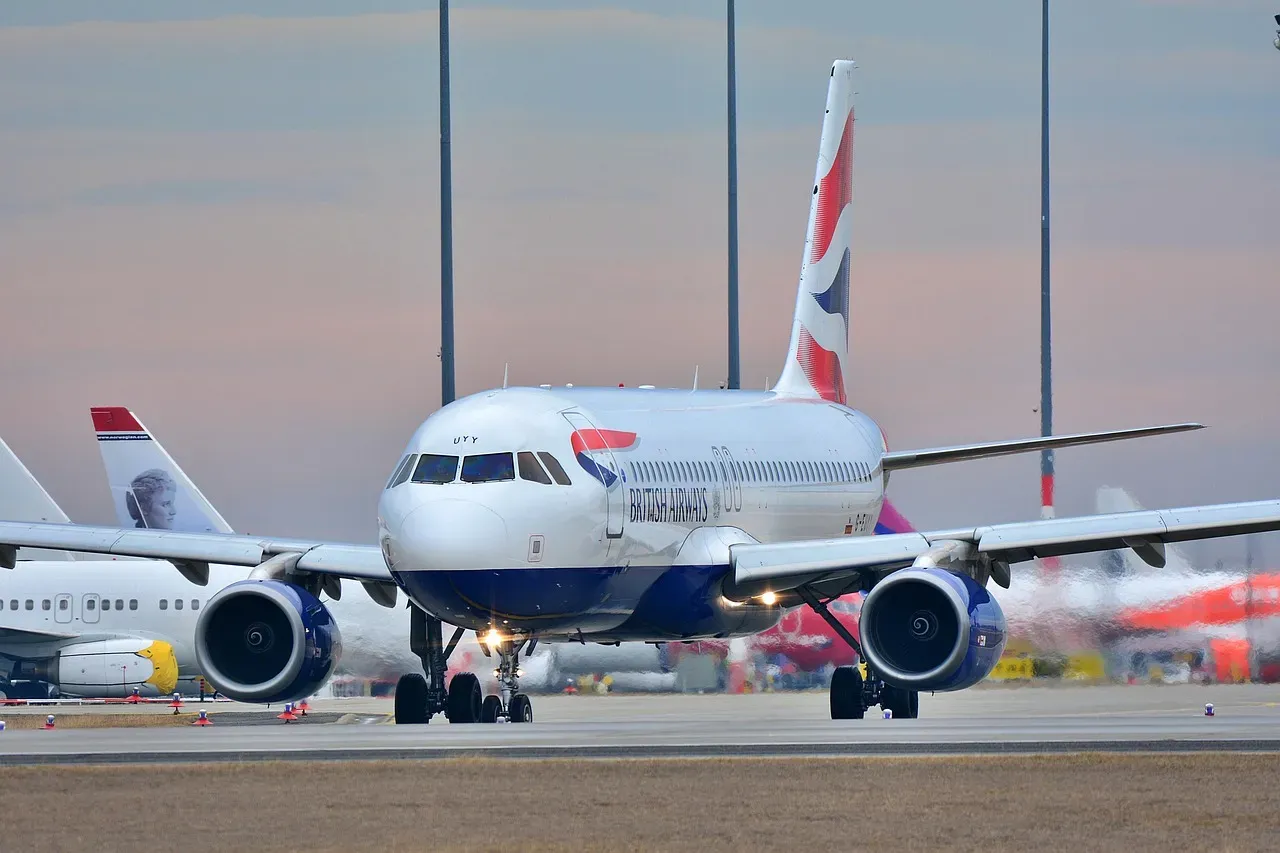
Airlines have expanded charges for checked bags, seat selection, and changes to reservations. These add ons now generate significant revenue that offsets other expenses. Recent adjustments have pushed many of these fees higher by ten dollars or more per item.
Because the fees appear separate from the base fare, they allow carriers to keep advertised prices from rising as sharply. The total cost to fly still increases for most passengers. This structure has become a permanent feature of airline economics.
Maintenance and Supply Chain Challenges
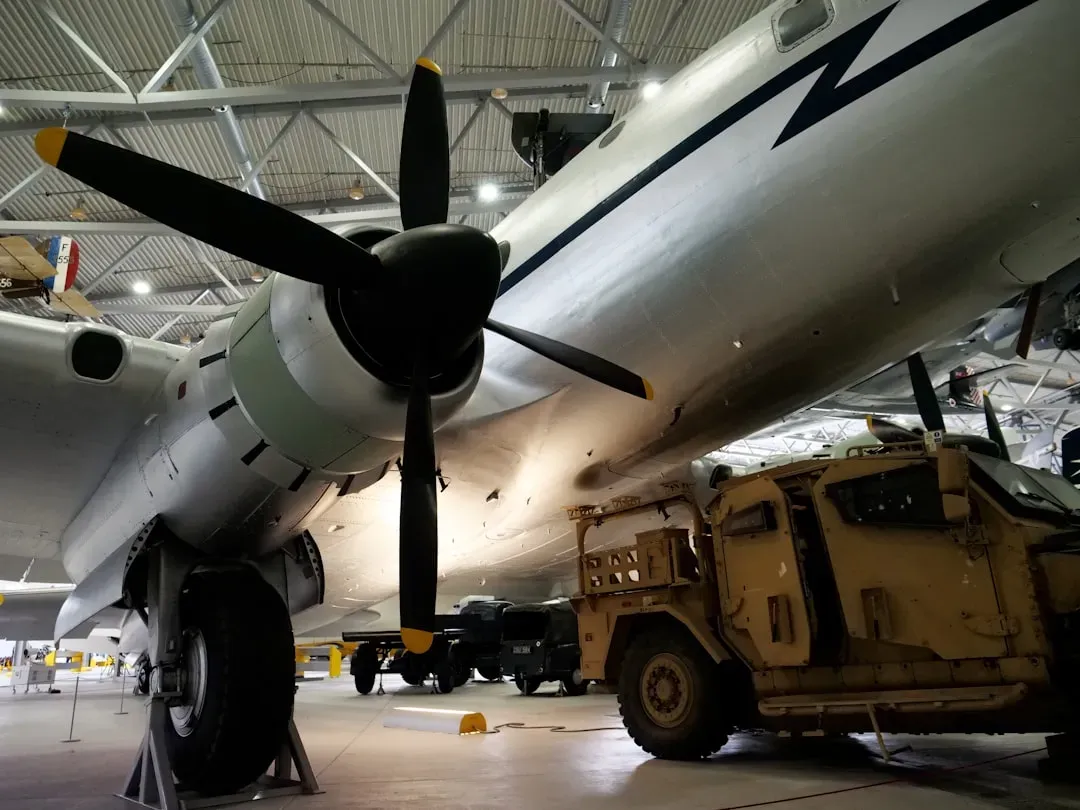
Parts, repairs, and aircraft maintenance have grown more expensive due to global supply constraints and specialized labor needs. These costs do not drop quickly when fuel prices fall. Airlines must cover them through ongoing operations.
Delays in obtaining components can ground planes longer, which reduces available capacity and supports higher fares. The ripple effects last months or longer. Carriers build these realities into their pricing models.
Regulatory and Environmental Pressures

New rules around emissions, noise, and sustainability require investments in newer aircraft and alternative fuels. These mandates add expenses that airlines spread across their networks. Compliance costs do not disappear when oil prices dip.
Many carriers also face carbon offset programs or taxes in certain regions. The cumulative burden influences ticket pricing across routes. Passengers ultimately share part of that regulatory load.
Insurance and Security Expenses Rise
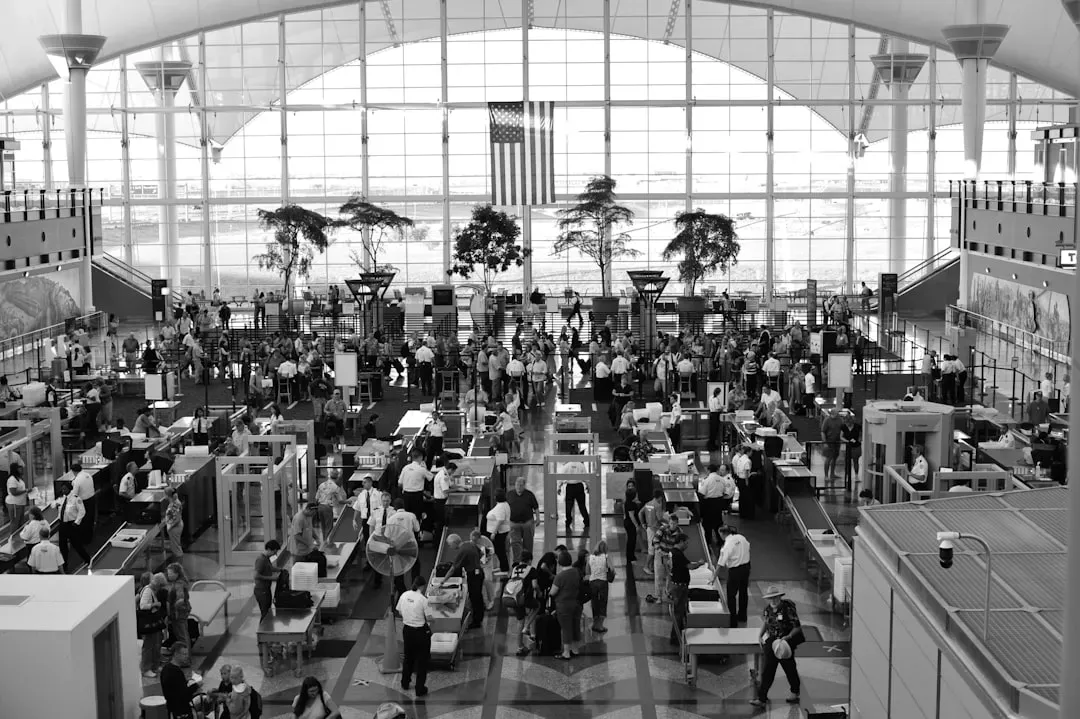
Premiums for liability coverage and security measures have increased with broader industry risks and inflation. These fixed costs apply to every flight and do not track fuel markets directly. Airlines include them in their baseline calculations.
Heightened screening and protection protocols at airports add further layers of expense. The combined impact appears in fares year after year. Relief from fuel savings rarely offsets these steady outlays.
Pricing Strategies Focus on Long Term Stability
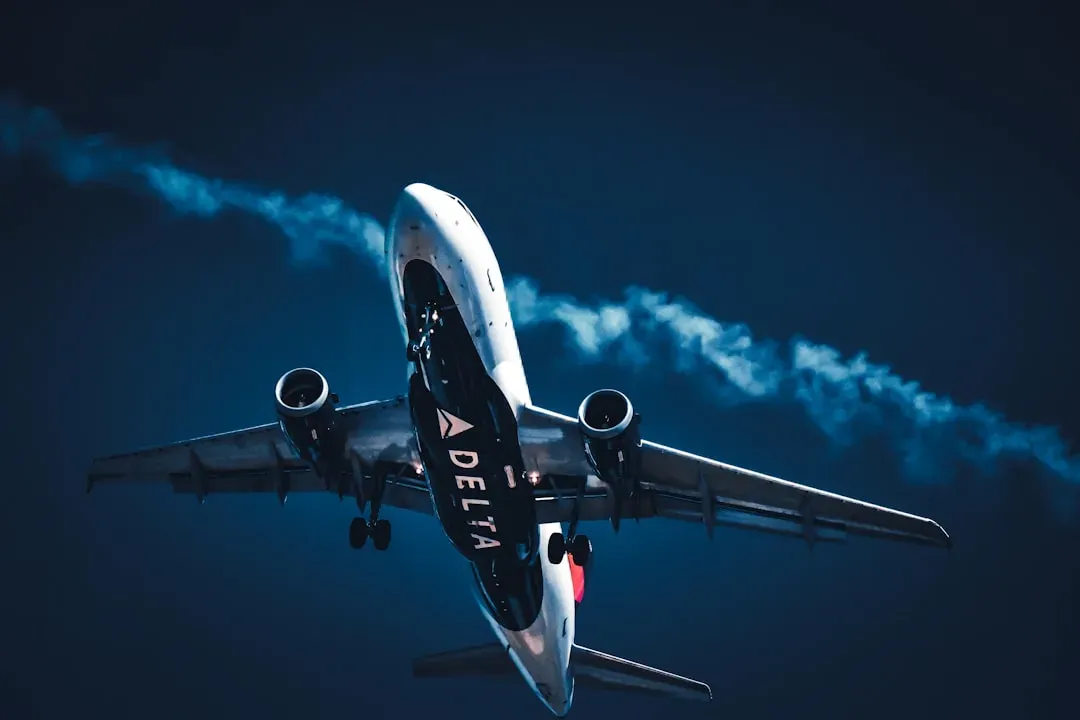
Airlines prefer steady revenue streams over sharp swings tied to commodity prices. They often hold fares higher even after fuel costs moderate to rebuild margins and fund future needs. This approach creates a buffer against future volatility.
Analysts note that ticket prices have room to remain elevated because they stayed below general inflation for years after the pandemic. Carriers use periods of lower fuel costs to strengthen their financial position rather than cut fares. The strategy supports consistent operations.
The Outlook for Travelers in Coming Years
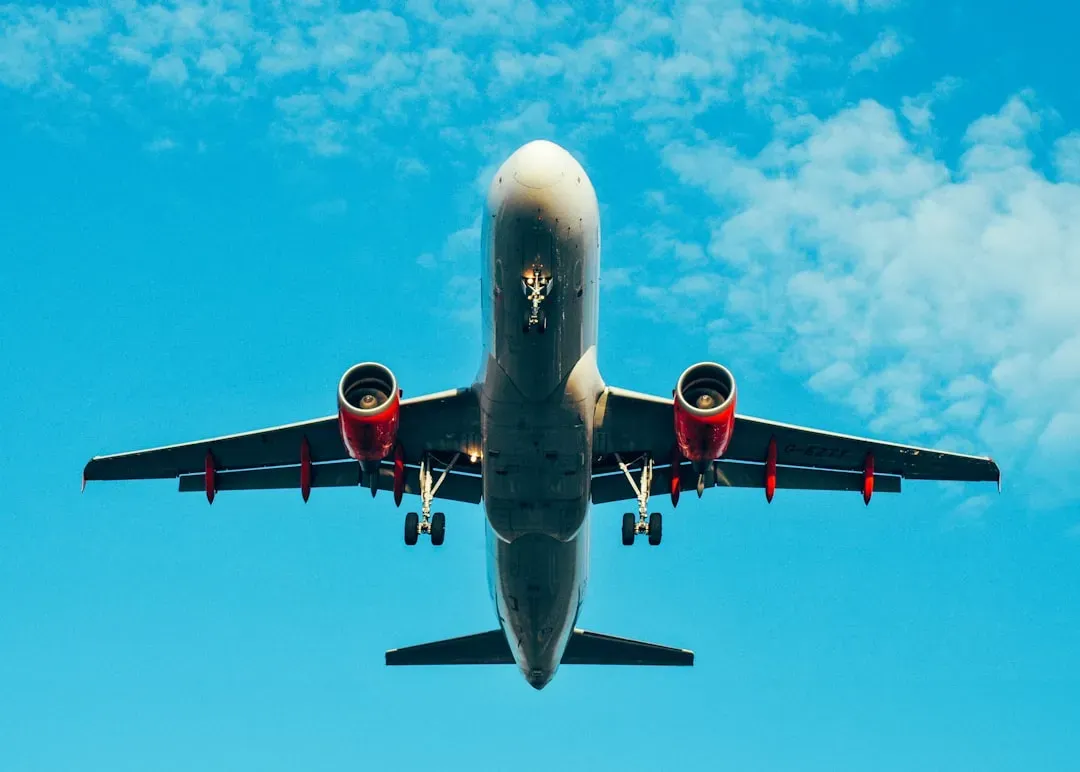
Airfares are likely to stay sensitive to multiple cost drivers beyond fuel alone. Passengers can expect continued emphasis on fees and capacity management as airlines balance expenses. Planning ahead and comparing options across dates remains useful.
While occasional dips in fuel prices may offer brief windows of relief, broader trends point to sustained higher costs. Travelers who understand these dynamics can adjust expectations and booking habits accordingly. The industry continues to evolve around these realities.