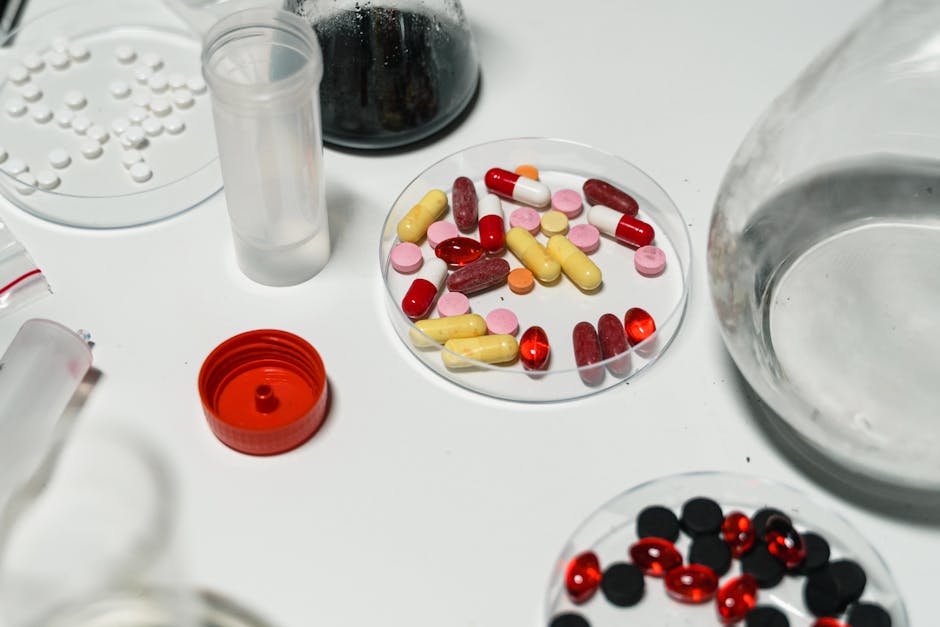
The GLP-1 Boom and Its Hidden Perils (Image Credits: Pexels)
Advertisements for GLP-1 medications flooded screens during the 2026 Super Bowl, with Serena Williams highlighting her transformation in a prominent commercial. Searches for drugs like Ozempic and Wegovy skyrocketed since 2022, reflecting intense consumer interest amid persistent shortages and steep prices. Limited insurance support has steered many toward online vendors promising affordable access. Health experts urge caution, as this boom has unleashed a wave of risky alternatives.
The GLP-1 Boom and Its Hidden Perils
Serena Williams captivated viewers in February 2026 by sharing her weight-loss story powered by GLP-1 drugs during the Super Bowl broadcast. This spotlight mirrored a national trend, where Google searches for terms like Wegovy, Mounjaro, Ozempic, and Zepbound climbed sharply over the past four years. High demand strained supplies, while costs often exceeded $1,000 monthly without coverage.
Telehealth promotions and social media ads proliferated, blending legitimate offers with deceptive pitches. The FDA flagged misleading marketing by over 30 telehealth firms in recent actions. Patients faced confusion over product legitimacy, prompting researchers to scrutinize online marketplaces closely. Inconsistent quality in alternatives raised alarms about potential harm.
FDA-Approved Versus Compounded GLP-1s: Critical Distinctions
FDA-approved GLP-1 medications underwent exhaustive testing for safety and efficacy before reaching the market. Semaglutide appears as Wegovy, Ozempic, and Rybelsus; tirzepatide as Mounjaro and Zepbound; orforglipron as Foundayo. Manufacturers detailed clinical data, production methods, and facility standards to secure approval.
Compounded versions, produced by specialized pharmacies, mimic active ingredients but introduce variations in salts, fillers, dosages, or storage. These lack the same oversight, leading to quality inconsistencies. The FDA’s February 2026 alert highlighted counterfeits mimicking Ozempic and unapproved additives like retatrutide. Reports detailed over 1,000 adverse events by mid-2024, including nausea, dehydration, pancreatitis, and gallstones from dosing errors.
| Feature | FDA-Approved | Compounded |
|---|---|---|
| Regulatory Review | Full clinical trials and inspections | Limited to personalized needs |
| Ingredients | Standardized active and inactive | Variable concentrations |
| Safety Reports | Monitored post-market | High adverse event risks |
| Labeling | Brand-specific | Often generic descriptors |
Spotting Red Flags in Online GLP-1 Offers
Scammers exploit the demand with traps like subscription schemes, as noted by consumer watchdogs. Vendors skipping prescriptions or medical reviews operate illegally. Promises of instant approvals via simple forms bypass essential health checks.
Other warnings include foreign-based pharmacies without U.S. addresses or phone numbers. Lack of transparency on licensing signals trouble. Products labeled “not for human use” evade rules. Always verify against FDA databases for registered compounders and state pharmacy boards.
- No prescription required
- Overly cheap prices without explanation
- Spelling errors in brand names
- Missing physical U.S. location
- Terms like “compounded” or “same as [brand]”
- Unclear pharmacy details
- Foreign-language packaging upon arrival
Proven Steps for Legitimate Online Access
Medical groups like the American Diabetes Association advise GLP-1s primarily for BMI over 30, or 27-plus with conditions such as diabetes, hypertension, or high cholesterol. Consult a primary care provider first for personalized assessment. Avoid compounded options unless prescribed specifically.
Scrutinize site labels for hints of compounding. Opt for manufacturer platforms like NovoCare or LillyDirect for verified info, pricing, and delivery. Confirm pharmacy credentials via official registries. Inspect arrivals for proper labeling and expiration.
- Secure a doctor’s evaluation and prescription.
- Steer clear of unverified telehealth quick-fixes.
- Question “generic” or altered formulations.
- Use brand-direct sites when available.
- Validate licenses on FDA and state sites.
Key Takeaways
- Prioritize FDA-approved brands over compounded for proven safety.
- Consult healthcare providers before any purchase.
- Verify sellers rigorously to dodge counterfeits and dosing dangers.
Consumers hold the power to demand quality amid this GLP-1 frenzy by sticking to regulated paths. Proactive checks prevent adverse outcomes and ensure effective treatment. What steps have you taken to navigate online drug buys? Share your thoughts in the comments.