
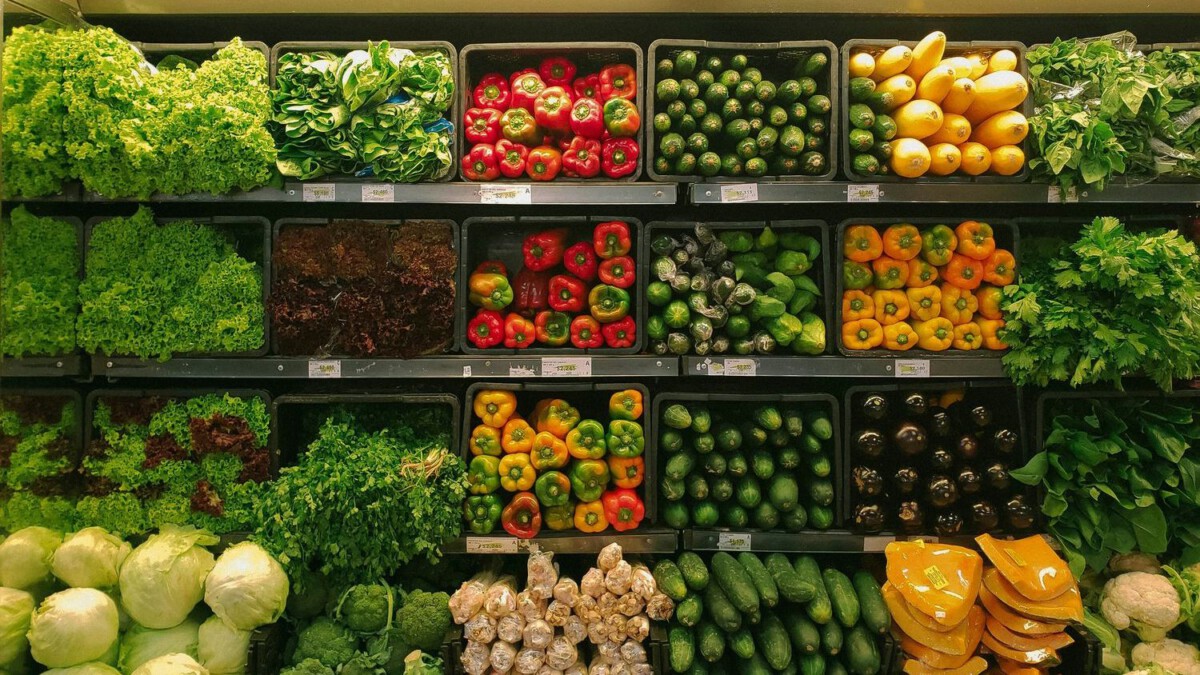
Why Have Grocery Prices Shot Up the Most in 4 Years? We Explain. – Image for illustrative purposes only (Image credits: Unsplash)
Shoppers across the United States have watched their weekly food bills climb steadily higher in recent months. Government figures released this week confirm that the cost of groceries rose 0.7 percent in April alone. That single-month gain stands as the largest recorded since 2022. Year-over-year, food-at-home prices have advanced 2.9 percent, placing fresh strain on household budgets already stretched by other living expenses.
Numbers That Reflect Everyday Reality
The latest reading from the Labor Department captures a clear acceleration in the pace of grocery inflation. Food purchased for home preparation now costs noticeably more than it did just a few months earlier. Families who track their receipts have reported similar patterns at stores ranging from national chains to regional grocers. The April figure breaks a stretch of more modest monthly changes that had offered brief relief after earlier spikes. These increases arrive at a time when many households continue to adjust spending across categories. Higher prices for staples such as dairy, produce, and packaged goods add up quickly over repeated shopping trips. The cumulative effect shows up in larger totals at the register rather than in any single dramatic jump on one item.
Converging Pressures Behind the Rise
Several forces have aligned to push costs higher at once. Supply-chain disruptions continue to affect the movement of goods from farms and processing plants to store shelves. At the same time, new tariffs on imported ingredients and packaging materials have raised input expenses for producers. These factors combine with ongoing labor and transportation costs that have not fully eased since earlier disruptions. The result is a broad-based lift rather than an isolated spike in one category. Items that rely on imported components or seasonal harvests have shown particular sensitivity. Retailers have passed along portions of those added expenses, and the pattern appears across multiple regions rather than in isolated markets. Analysts note that the simultaneous nature of these pressures makes quick reversal unlikely in the near term.
How Households Are Feeling the Effects
For many families the change registers first in routine decisions about meal planning and brand choices. Shoppers report trading premium options for store brands or reducing purchases of higher-priced proteins. Budget-conscious households have also increased the frequency of comparing unit prices and seeking sales on core items. These adjustments help stretch dollars but do not fully offset the overall rise. Smaller retailers and regional chains face their own challenges in absorbing or passing along the increases. Larger national operators have more flexibility to negotiate with suppliers, yet even they have adjusted pricing in recent weeks. The net outcome is a noticeable shift in what a typical cart of groceries costs compared with the same period last year.
Looking Ahead at Price Trends
Current indicators suggest the upward pressure may persist through the summer months. Seasonal factors such as weather-related harvest variability could add further volatility to certain produce categories. Policy developments around trade and tariffs will also influence the trajectory of costs in the months ahead.
– Track unit prices and sales on staples to manage weekly totals.
– Consider bulk or frozen alternatives for items showing consistent gains.
– Monitor official monthly releases for signs of stabilization or continued acceleration.
The April data underscores how quickly everyday expenses can shift when multiple economic threads pull in the same direction. Families will continue to adapt their routines while watching for any signs that the pace of increases may ease.