
One evacuated passenger tests positive for hantavirus and another develops symptoms on flight home – Image for illustrative purposes only (Image credits: Pexels)
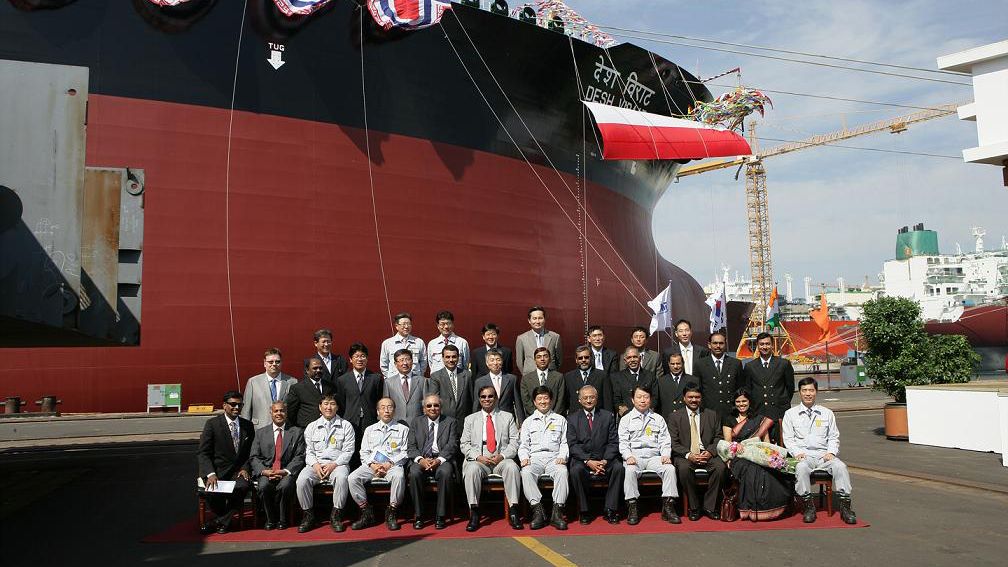
Tenerife, Canary Islands – Passengers from the MV Hondius began returning to their home countries on Sunday aboard military and government aircraft after the cruise ship anchored off the Canary Islands. The move followed an outbreak of hantavirus linked to the vessel, which has already resulted in three deaths and several confirmed infections. One American among the 17 U.S. evacuees tested positive for the virus without showing symptoms, while a French passenger developed symptoms during a separate repatriation flight.
Evacuation Flights Begin
Authorities coordinated the departures after the ship reached Tenerife, with passengers ferried ashore in small groups and transported directly to waiting planes. The operation involved specialized aircraft equipped for medical monitoring, including biocontainment units for higher-risk individuals. Seventeen Americans and additional passengers from other nations, including France, were among those airlifted out of the port area.
Spanish officials emphasized that all disembarking passengers and crew underwent symptom checks before boarding. No one on the vessel itself displayed signs of illness at the time of evacuation, according to statements from health authorities and the cruise operator. The process aimed to minimize any potential spread during the journey home.
Health Findings During Travel
U.S. health officials reported late Sunday that one of the American passengers had tested positive for hantavirus through PCR analysis but remained asymptomatic. This individual was directed to a biocontainment unit upon arrival for further monitoring and testing. A separate French evacuee began exhibiting symptoms mid-flight and was placed in strict isolation with plans for immediate evaluation upon landing.
These developments occurred even as the broader group of evacuees showed no outward signs prior to departure. Officials noted that the positive result was described as mild, prompting precautionary measures rather than immediate alarm. All affected passengers are now under medical supervision in their respective countries.
Outbreak Background and Response
The MV Hondius outbreak involves the Andes strain of hantavirus, which has been linked to person-to-person transmission in rare cases. Earlier infections among passengers who had already left the ship brought the total confirmed cases to five before the latest reports. Health agencies continue to track contacts and monitor for any additional developments.
Public health statements stress that the overall risk to the general population remains low. Countries involved have implemented isolation protocols and follow-up testing for returning travelers. The focus now rests on careful observation of those exposed during the cruise.
What matters now: Continued monitoring of evacuees and their contacts will determine whether additional cases emerge, while authorities work to contain any further spread.
The situation underscores the challenges of managing infectious disease outbreaks on international vessels, where rapid repatriation and medical oversight become essential. Officials across affected nations remain in close coordination as the evacuees settle into care facilities.