Picture this: you’re enjoying retirement, checking emails from the comfort of home, when a slick scam drains your savings overnight. It’s not just a nightmare – it’s happening more than ever. The Federal Trade Commission reports Americans lost over $10 billion to fraud in 2023, the highest ever, with older adults hit hardest.
The FBI’s Internet Crime Complaint Center found people 60 and older lost more than $3.4 billion that year alone, topping all age groups. Meanwhile, the Identity Theft Resource Center tallied over 3,200 data breaches exposing billions of records. About 75% of those 65 and up now use the internet, per Pew Research Center, putting everyone at risk. Ready to fight back? Let’s explore these vital tips.
1. Know the Scams Targeting Seniors

Older adults face unique dangers online because crooks think you’ve got retirement nest eggs to steal. The National Institute on Aging points out phishing emails, tech support cons, and romance schemes prey on this assumption. In 2023, these tactics fueled massive losses reported by the FBI.
AARP highlights impostor scams, where fraudsters pose as officials or family, as a top threat. The numbers don’t lie – seniors lost billions. Staying aware is your first shield; knowledge turns suspicion into action.
2. Craft Rock-Solid Passwords
Weak or repeated passwords open doors to hackers like an unlocked back entrance. The Cybersecurity and Infrastructure Security Agency stresses unique, strong ones for every account to stop takeovers. Password managers make this easy, generating and storing them securely.
Reusing logins across sites? That’s a huge no, as it lets one breach cascade everywhere. Think of it as one master key for your whole house – disastrous if lost. Start today; your future self will thank you.
3. Turn On Multi-Factor Authentication

MFA adds a second check, like a deadbolt after the front lock, blocking most bot attacks. The National Cybersecurity Alliance says it stops the vast majority of automated threats beyond just passwords. Enable it on email, banking, and social media right away.
Even if hackers snag your password, they need that phone code or app approval. It’s simple, often free, and game-changing. Honestly, I wish more folks did this from the start.
4. Update Devices Without Delay

Software patches seal holes hackers exploit daily. The Cybersecurity and Infrastructure Security Agency urges installing updates pronto to slash risks. Old systems? They’re sitting ducks for known vulnerabilities.
Set auto-updates on phones, computers, and tablets. It takes minutes but prevents breaches that expose your data. Skipping them is like driving without brakes – eventually, trouble hits.
5. Spot Phishing Emails Fast

Phishers mimic trusted senders to trick you into clicking bad links or sharing info. The National Institute on Aging warns these emails target seniors heavily. Check sender addresses, hover over links, and never rush replies.
Typos, urgent demands for money or data? Red flags waving. Delete and report suspicious ones. Practice makes you sharp; soon, you’ll dodge them effortlessly.
6. Ignore Unsolicited Tech Support Calls

Pop-ups or calls claiming your computer’s infected? Classic scam luring access or payments. The National Institute on Aging flags these as prime hits on older users with savings to protect. Hang up; real support doesn’t cold-call.
Use official sites for help instead. No remote access to strangers, ever. It’s empowering to take control this way.
7. Beware Impostor Scams

Fraudsters fake being government agents, banks, or grandkids in trouble to extract details. AARP reports these as hugely common against seniors. Verify independently – call back using numbers from statements, not the caller.
Pressure tactics scream scam. Pause, think, check. Your caution saves thousands.
8. Handle Robocalls Smartly

Caller ID spoofing fools you into trusting fake numbers. The Federal Communications Commission notes scammers ramp up robocalls for personal info grabs. Don’t engage; block and report via apps or carriers.
Register on Do Not Call lists, though not foolproof. Silence is golden here. Fewer answers mean fewer victims.
9. Stick to Secure Internet Connections
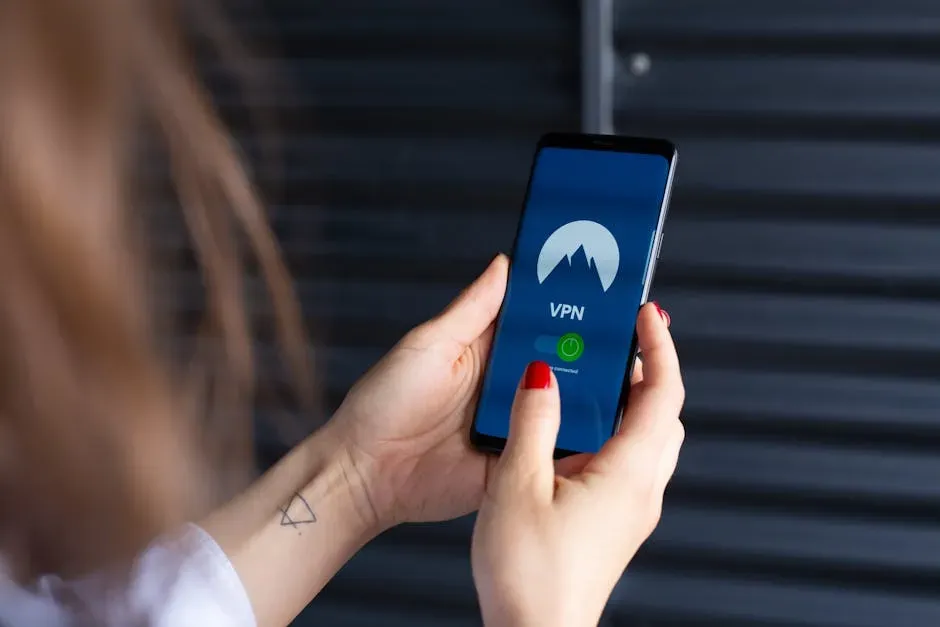
Public Wi-Fi? Hackers lurk, snatching data like low-hanging fruit. Use VPNs to encrypt traffic, especially for banking. Home routers need strong passwords too, updated firmware.
Avoid sensitive tasks on open networks. It’s like whispering secrets in a crowded room. Privacy tools keep you safe anywhere.
10. Monitor Accounts Regularly

Check statements weekly for odd charges or new accounts. Free credit freezes block unauthorized credit opens post-breach. With 3,200+ data spills in 2023 per Identity Theft Resource Center, vigilance matters.
Alerts from banks flag issues fast. Act quick on anything fishy. Peace of mind comes from staying proactive.