
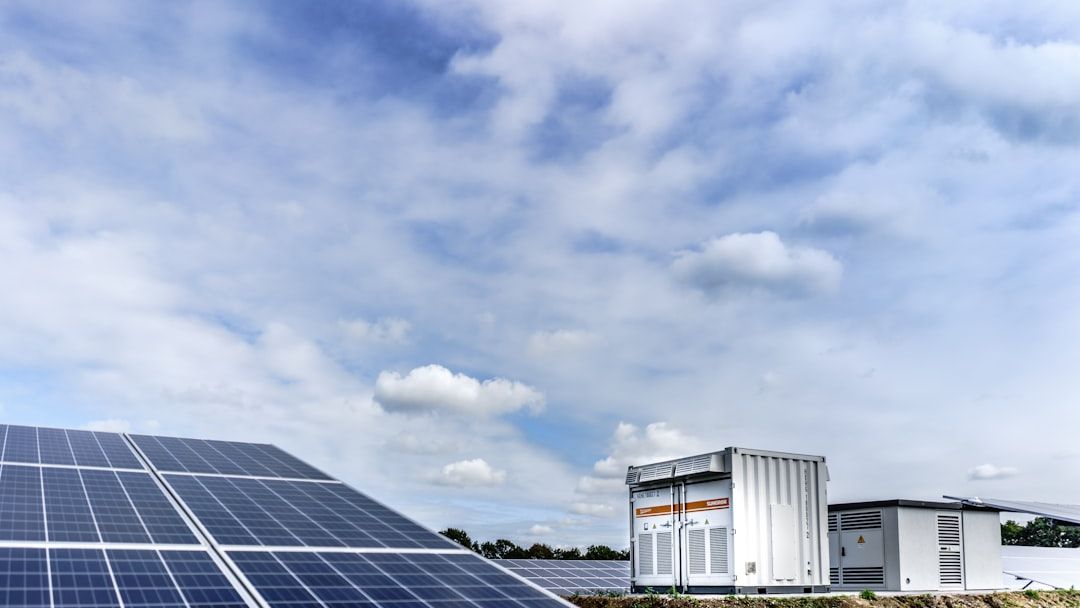
India may need over 60 GW energy storage capacity by 2030 to support clean energy transition: Report – Image for illustrative purposes only (Image credits: Unsplash)
India’s expanding cities and factories now draw more electricity than ever before, and the push toward solar and wind power has made steady supply harder to guarantee. Without enough ways to hold excess energy for later use, the grid risks shortfalls during peak hours or when the sun and wind fade. A new report underscores that the country may require more than 60 GW of storage capacity by 2030 to keep power flowing reliably and affordably.
Electricity Demand Keeps Rising
Population growth and industrial expansion continue to lift India’s overall power consumption each year. Households install more air conditioners and appliances, while factories scale up production to meet domestic and export needs. These trends create sharper daily peaks that traditional generation alone struggles to match evenly.
Utilities already face pressure to deliver uninterrupted supply across diverse regions. Any mismatch between supply and demand quickly translates into higher costs or temporary restrictions for businesses and residents alike.
Variable Renewables Add New Pressures
Solar and wind installations have grown rapidly across the country, bringing clean power to the grid in large volumes. Yet output from these sources fluctuates with weather and time of day, creating periods of surplus followed by sudden drops. Grid operators must balance these swings without relying solely on fossil-fuel backups.
The report notes that this variability increases the urgency for flexible solutions. Storage systems can absorb excess generation during high-output hours and release it when renewable output dips, smoothing the overall supply curve.
Storage Delivers Grid Stability
Energy storage technologies, including batteries and pumped hydro, allow operators to store surplus electricity and dispatch it on demand. This capability supports a more resilient network that can handle both routine fluctuations and unexpected events. Cost savings also emerge when storage reduces the need for expensive peaking plants.
Without adequate capacity, the system would depend more heavily on conventional sources during low-renewable periods, slowing the clean-energy transition. The report frames storage as a practical requirement rather than an optional upgrade.
Key Steps Ahead for Policymakers
Officials and industry leaders now face several coordinated actions to meet the projected need:
- Accelerate permitting and land allocation for large-scale storage projects.
- Update grid codes to integrate storage resources more seamlessly.
- Expand financing mechanisms that lower upfront costs for developers.
- Support research into longer-duration storage suited to India’s climate and demand patterns.
These measures would help translate the report’s findings into concrete infrastructure over the coming years.
Looking Toward a Reliable Future
Meeting the storage target would strengthen India’s ability to deliver consistent power while cutting emissions. Households and industries alike stand to benefit from fewer disruptions and more predictable pricing. The path forward hinges on timely investment and clear policy signals that turn the report’s assessment into lasting grid improvements.