
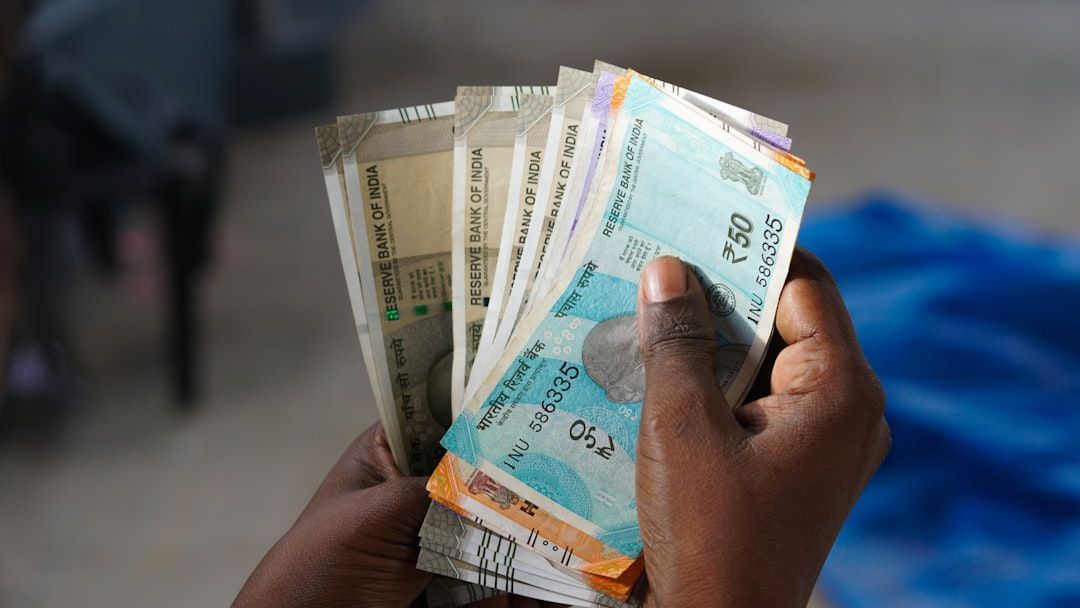
Asia FX slides as Iran tensions persist; Indian rupee hits record low – Image for illustrative purposes only (Image credits: Unsplash)
Mumbai – The Indian rupee touched a new all-time low against the U.S. dollar early on Tuesday, extending losses that have built over recent sessions amid renewed concerns over a fragile ceasefire between the United States and Iran. Traders reported the currency weakening past 95.55 per dollar before some recovery, surpassing the previous record set just last week. The move came as oil prices climbed on worries that the Middle East standoff could disrupt energy supplies through the Strait of Hormuz, a critical route for global crude shipments.
Record Low for the Rupee
The rupee opened weaker and slid as much as 0.2 percent during the session, reflecting broad investor caution toward emerging-market assets exposed to higher energy costs. Central bank intervention in both spot and forward markets helped limit the damage, though reserves have already shown signs of strain from earlier rounds of support. Analysts noted that India, as a major net importer of oil, faces direct pressure on its current account and inflation outlook whenever crude prices rise sharply. The previous low of 95.4325 was eclipsed within hours of trading, underscoring how quickly sentiment can shift when geopolitical risks reappear. Market participants pointed to thin liquidity in early Asian hours as a factor that amplified the move. Despite the intervention, the currency closed the day still near its weakest levels on record.
Regional Currencies Follow Suit
Other Asian units also faced selling pressure, though none matched the rupee’s pace. The Japanese yen slipped toward 149.80 per dollar, while the South Korean won and offshore Chinese yuan each lost ground against the greenback. The Indonesian rupiah and Philippine peso showed similar softness, highlighting the shared vulnerability of the region to any sustained rise in oil prices. A strengthening dollar index added to the headwinds, as investors sought safety in U.S. assets amid the uncertainty. Exporters in some economies may eventually benefit from weaker local currencies, yet the immediate effect has been higher import bills and tighter financial conditions across the board.
Oil Prices and Forward Outlook
Crude benchmarks climbed on the fresh doubts about the durability of the U.S.-Iran truce, pushing up costs for energy-dependent economies. Traders expect volatility to persist until clearer signs emerge on whether the ceasefire can hold or whether further military actions will follow. Central banks in the region are likely to continue monitoring flows closely, with the Reserve Bank of India already active in defending the rupee. Economists forecast that any prolonged period of elevated oil prices could trim growth forecasts for the second half of the year and keep policy makers on alert.
- Further moves in USD/INR above 95.60
- Weekly oil inventory data and any new diplomatic signals
- Reserve Bank of India statements on intervention
- Performance of other oil-sensitive Asian currencies
The episode serves as a reminder that even modest geopolitical flare-ups can transmit quickly through currency markets, particularly for nations that rely heavily on imported energy. Markets will remain sensitive to any fresh developments in the Gulf in the days ahead.