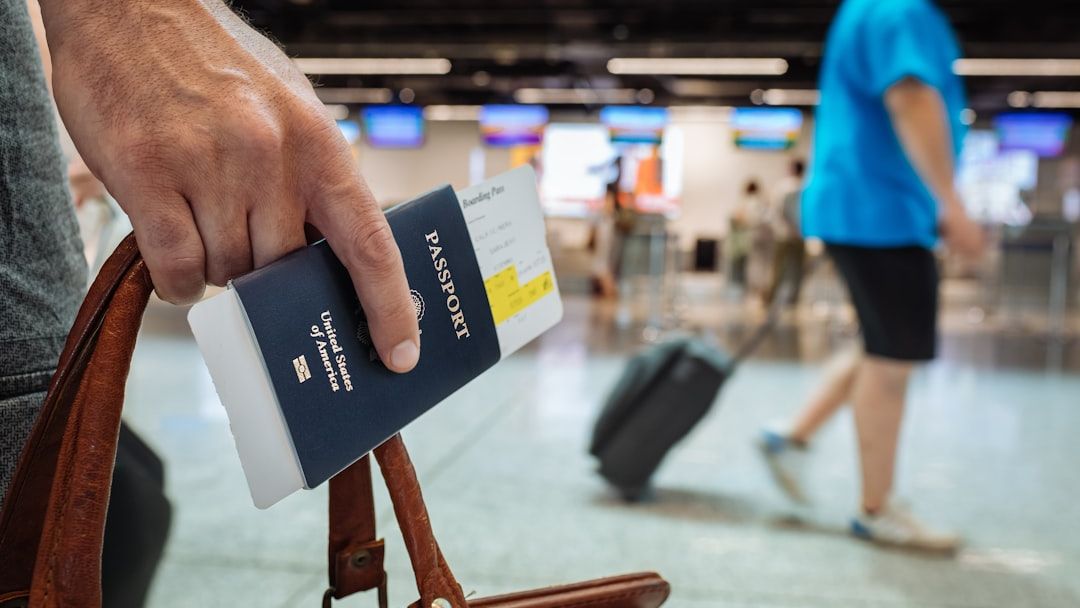
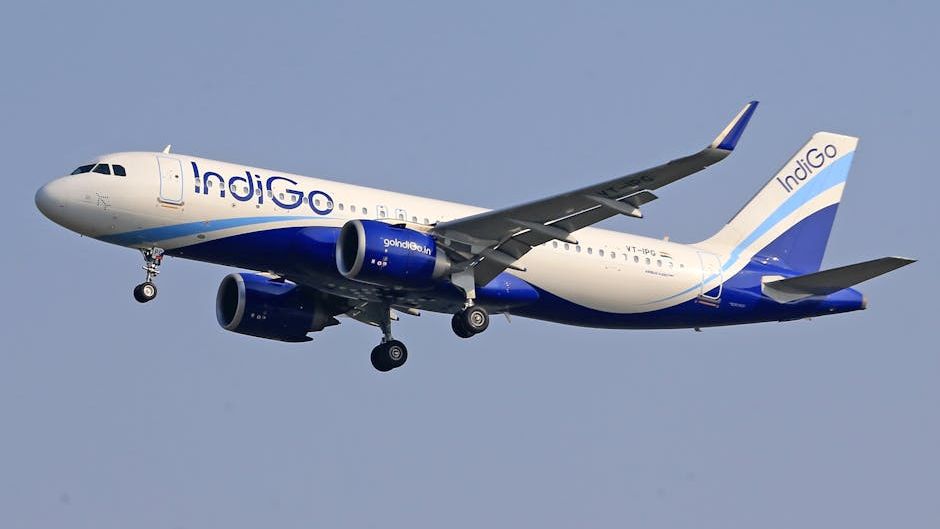
IndiGo, hotel & hospitality stocks fall after Modi’s appeal to curb overseas travel – Image for illustrative purposes only (Image credits: Pexels)
InterGlobe Aviation, the listed parent of IndiGo, recorded a sharp decline in its share price during recent trading. The stock fell from 4,522.70 rupees to 4,287.10 rupees, representing a drop of more than 5 percent. Market participants linked the movement to growing apprehension that reduced demand for leisure and international journeys could slow the airline’s passenger growth trajectory in the months ahead.
Precise Movement in Share Price
The decline unfolded over a single trading session and stood out against broader market trends. Investors reacted quickly once concerns about future booking patterns surfaced. The price change translated into a noticeable reduction in the company’s market capitalization for that day. Analysts noted that the scale of the fall exceeded typical daily volatility for the stock. The closing level marked one of the more pronounced single-day retreats in recent weeks. Such movements often prompt closer scrutiny of forward-looking indicators within the aviation sector.
| Price Point | Amount (₹) |
|---|---|
| Opening / Previous Close | 4,522.70 |
| Closing Level | 4,287.10 |
| Approximate Decline | Over 5 percent |
Core Reasons Cited by Observers
Market commentary centered on expectations of softer demand for non-essential and cross-border trips. Leisure travel forms a sizable portion of IndiGo’s revenue mix, and any sustained slowdown could affect load factors and yield management. International routes, in particular, have contributed to recent capacity additions and revenue growth. Stakeholders pointed out that policy signals encouraging reduced overseas movement can influence consumer behavior even before formal restrictions take effect. Airlines with heavy exposure to discretionary travel therefore face immediate valuation pressure. The reaction illustrated how quickly sentiment can shift when external factors intersect with operational forecasts.
Consequences for Passenger Traffic Outlook
A prolonged dip in leisure bookings would directly challenge the carrier’s plans for steady traffic expansion. Management teams typically rely on consistent year-over-year growth in passenger numbers to support fleet utilization and route profitability. Any deviation from those targets could require adjustments in capacity deployment or pricing strategies. Industry observers emphasized that IndiGo operates one of the largest domestic networks in India, yet international and leisure segments remain important levers for incremental revenue. A measurable slowdown in those areas would therefore ripple through overall performance metrics. Investors will likely monitor upcoming monthly traffic data for early signs of such a shift.
Positioning for Stakeholders Going Forward
Shareholders now face a period of heightened uncertainty regarding near-term earnings visibility. Portfolio managers may reassess exposure to aviation names until clearer demand signals emerge. At the same time, the airline continues to execute on its broader network and fleet expansion initiatives. The episode underscores the sensitivity of listed carriers to changes in travel sentiment. Companies in this sector must balance long-term growth ambitions with short-term fluctuations driven by external appeals or policy cues. Continued transparency on booking trends will help clarify whether the recent price reaction reflects temporary caution or a more durable change in demand patterns.