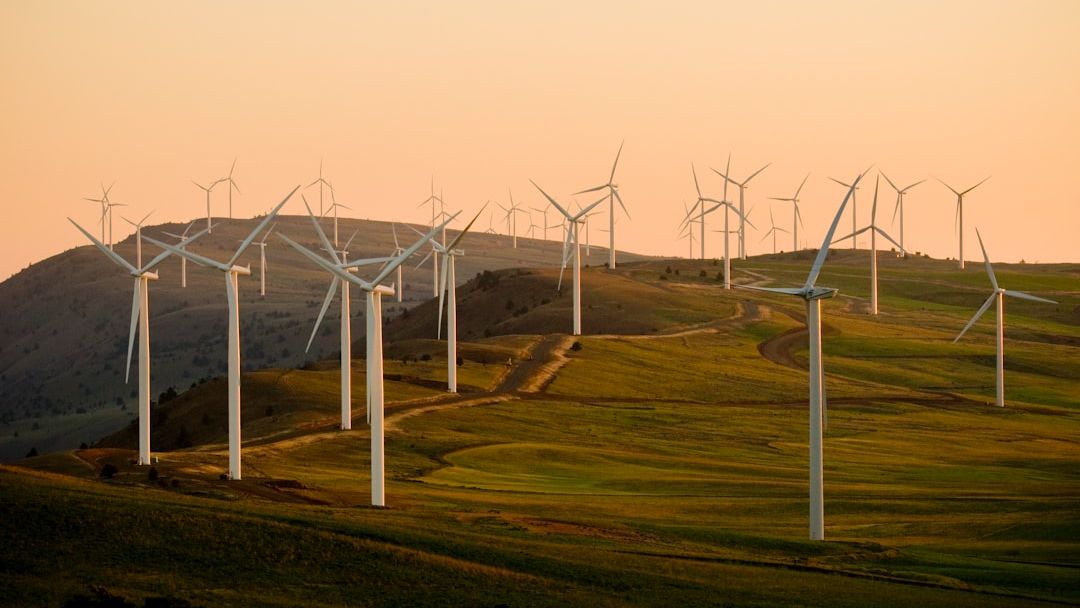

Green technology has moved from niche experiments to mainstream investment opportunities. Markets are expanding rapidly as costs fall and policies support cleaner alternatives across energy, transport, and industry.
Projections show the overall green technology and sustainability sector growing at a compound annual rate near 23 percent through the early 2030s, driven by real deployment data rather than hype. Several specific areas stand out for their scale and momentum in the coming years.
Solar Energy
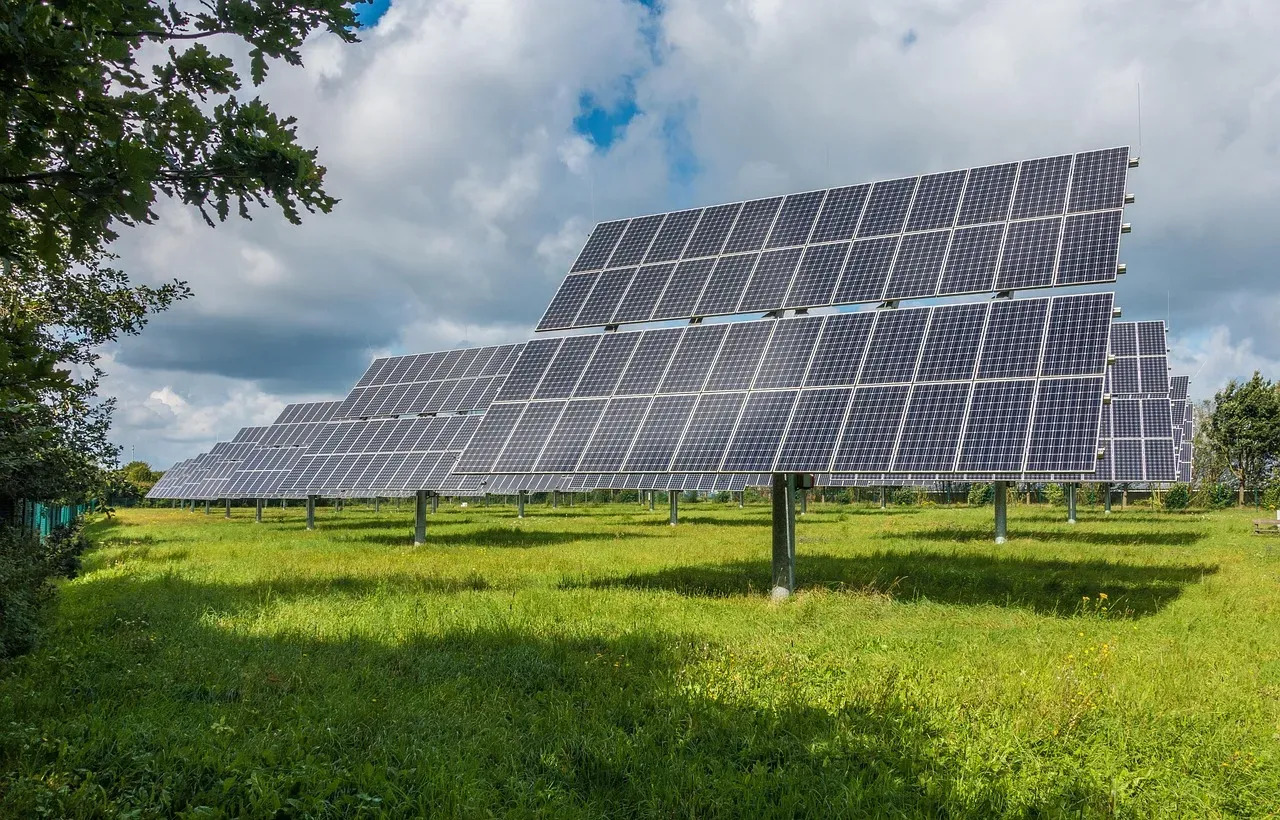
Global solar capacity already surpassed 1.5 terawatts by the end of 2024, more than doubling in just four years. Investment in solar reached record levels, with utility-scale and rooftop projects together drawing hundreds of billions annually. China alone hit its 2030 solar target six years early, while costs continue to drop and efficiency climbs above 26 percent in newer panels.
Analysts expect another surge in installations through 2030 as grids integrate more variable power. Storage pairing helps smooth output, and corporate buyers lock in long-term contracts for predictable pricing. This combination keeps solar among the most accessible entry points for investors seeking steady growth in renewables.
Wind Energy
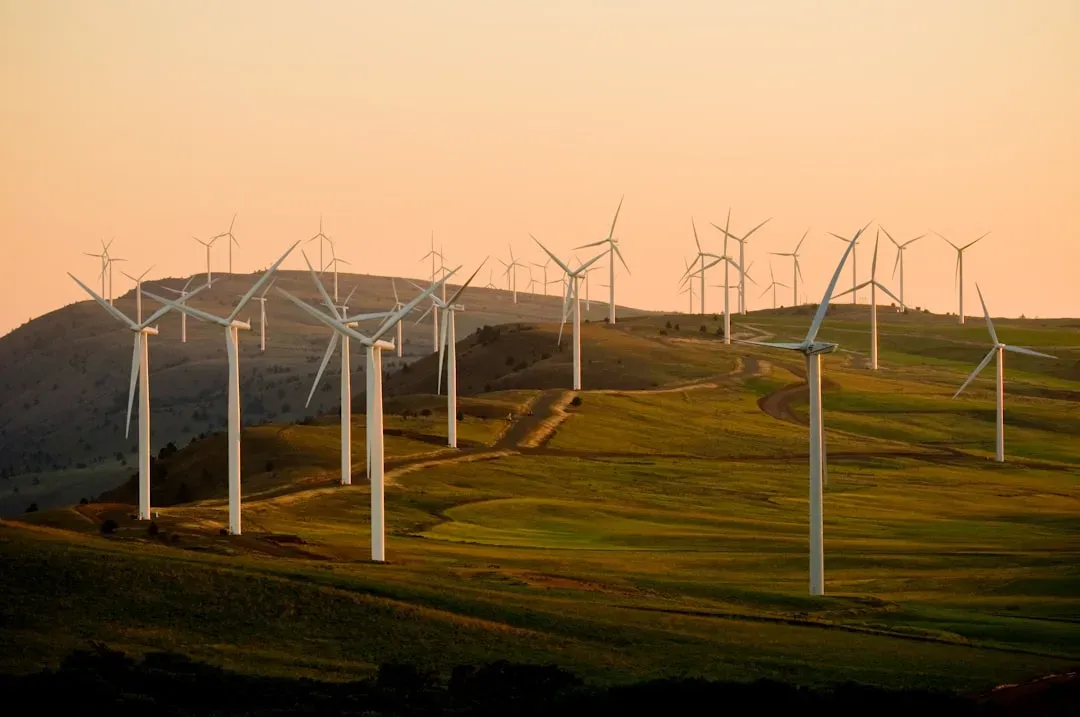
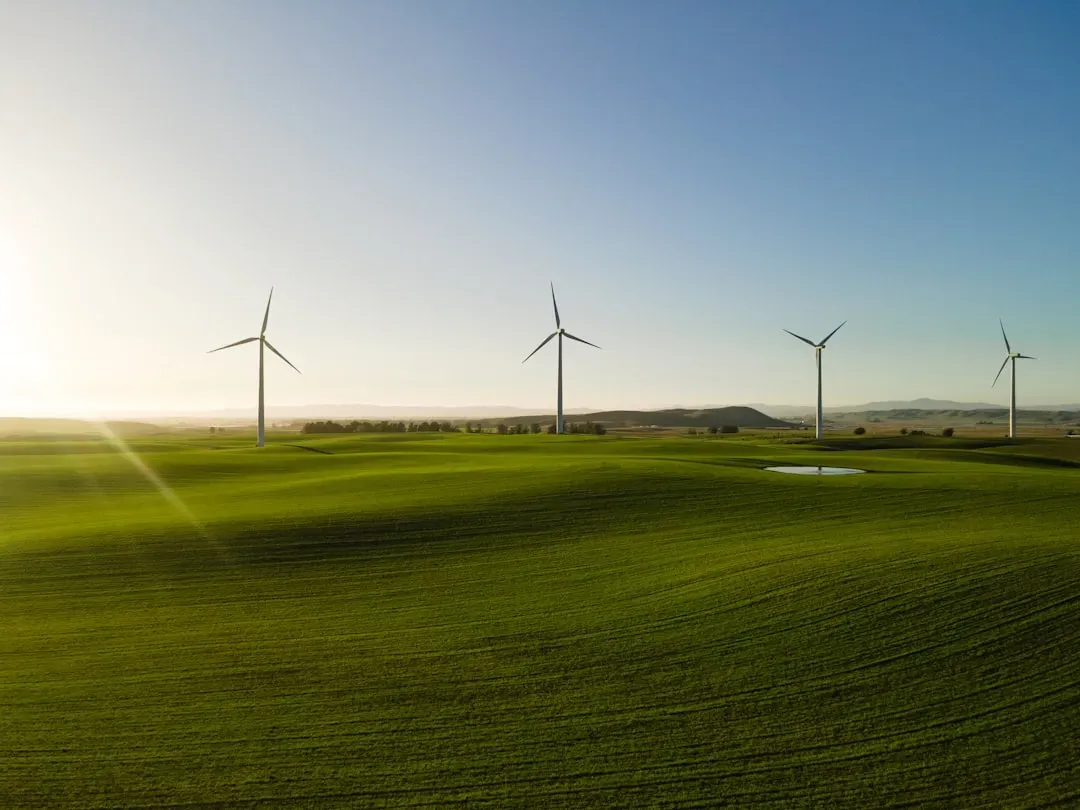
Wind power installations are accelerating, with global additions supporting a 67 percent increase in new capacity over the next five years compared with the prior period. Onshore projects dominate volume, yet offshore developments are scaling in Europe and parts of Asia. Service and maintenance roles for turbines rank among the fastest-growing occupations tied to clean energy.
Policy frameworks in multiple regions continue to clear permitting hurdles, unlocking larger projects. Turbine technology improvements raise capacity factors and lower levelized costs. Investors see reliable returns from both new builds and repowering older farms with modern equipment.
Electric Vehicles

Electric vehicle sales crossed 25 percent of global car sales recently and are forecast to reach 40 percent by 2030. Manufacturing investments have poured into battery plants and assembly lines, especially in North America and Asia. Government incentives and falling battery prices widen the appeal beyond early adopters.
Charging infrastructure is expanding in parallel, though gaps remain in rural areas. Fleet operators adopt electric models first for cost savings on fuel and maintenance. The sector’s momentum creates opportunities across supply chains, from raw materials to software for vehicle management.
Battery Energy Storage

Annual global battery storage installations are projected to exceed 100 gigawatts for the first time in 2026 and keep climbing past 200 gigawatts later in the decade. Lithium-ion systems lead deployment, with costs falling steadily and round-trip efficiency often above 90 percent. Grid operators use storage to balance renewable output and reduce curtailment.
Utility-scale projects pair with solar and wind farms to provide firm power. Residential and commercial batteries gain traction where time-of-use rates reward shifting consumption. This technology underpins the broader energy transition by making intermittent sources more dependable.
Green Hydrogen

Green hydrogen projects are moving from pilots to commercial scale, supported by a pipeline of approved investments nearly doubling year over year. Electrolysis capacity is expanding in regions with abundant renewables, targeting hard-to-abate sectors like steel and chemicals. Production costs are declining as electrolyzer manufacturing ramps up.
Policy support includes tax credits and mandates for low-carbon fuels in transport and industry. Early offtake agreements from refineries and fertilizer plants provide revenue visibility. Investors track progress on cost curves that could make green hydrogen competitive with fossil alternatives within the decade.
Carbon Capture and Storage

Global carbon capture capacity is expected to more than quadruple by 2030, reaching over 200 million metric tons per year if current projects advance. Approved facilities span power plants, industrial sites, and direct-air-capture pilots. Investment in this area is set to rise sharply as regulatory frameworks tighten emissions rules.
Utilization pathways turn captured carbon into fuels or materials, adding revenue streams beyond storage. Early movers secure government funding and carbon credit markets. The technology addresses residual emissions that renewables alone cannot eliminate in heavy industry.
Green Building Technologies

Smart building systems already account for a large share of green technology spending, with applications in lighting, HVAC, and occupancy sensing cutting energy use by double-digit percentages. Commercial real estate owners adopt these tools to meet ESG reporting requirements and attract tenants. Retrofit markets grow alongside new construction in urban centers.
Digital twins and automation optimize performance over a building’s lifetime. Certification programs reward verified efficiency gains, supporting higher property values. Investors find stable demand here because buildings represent a major slice of global energy consumption.
Precision Agriculture Technologies

Sensor networks, drones, and data platforms for crop monitoring are expanding at a compound rate above 24 percent in some segments. Farmers use real-time soil and weather data to reduce water and fertilizer inputs while maintaining or increasing yields. Adoption spreads from large operations to smaller holdings through service models that lower upfront costs.
These tools support both productivity and emissions reductions in the food system. Integration with satellite imagery and machine learning improves decision accuracy. The sector benefits from rising food demand and tighter sustainability standards across supply chains.
Advanced Recycling and Waste Technologies
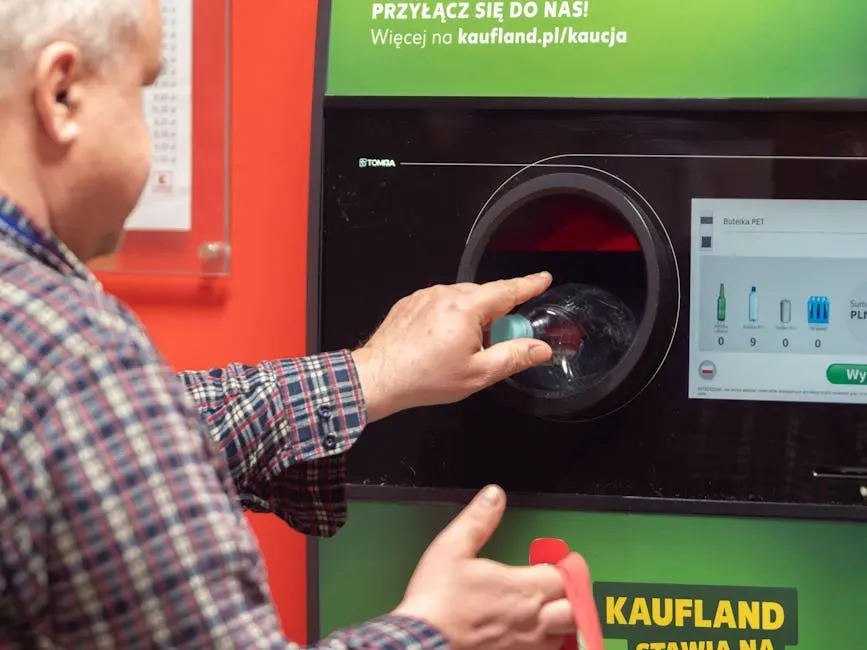
Innovations in sorting, chemical recycling, and waste-to-energy systems are gaining traction as circular economy policies take hold. Markets for recycled materials grow with corporate commitments to reduce virgin plastic and metal use. Asia-Pacific leads deployment due to rapid urbanization and waste volumes.
Technologies that recover critical minerals from batteries and electronics create new value loops. Automation lowers labor costs and raises recovery rates. Investors see resilience in this space because waste streams remain steady regardless of economic cycles.
IoT and Digital Platforms for Sustainability
Internet of Things devices hold roughly one-quarter to one-third of the green technology market, enabling real-time tracking of energy, emissions, and resources across industries. Blockchain applications for carbon credit verification are advancing at even faster rates near 25 percent compound growth. These tools turn sustainability data into actionable insights for compliance and optimization.
Companies deploy connected sensors in factories, farms, and grids to spot inefficiencies quickly. Platforms aggregate information for ESG reporting and supply-chain transparency. The segment grows because digital solutions scale rapidly once infrastructure is in place.
These ten areas reflect measurable deployment trends and investment flows documented through 2026. Returns will vary with policy stability and technology execution, yet the underlying drivers of cost reduction and regulatory pressure remain consistent. Careful selection based on regional strengths and supply-chain realities can position portfolios for the decade ahead.