

The Rise of Micro-Cities as New Destinations

People are noticing that smaller places with big city energy are pulling in residents who once headed straight for sprawling suburbs. These micro-cities offer walkable downtowns, local shops, and community events without the high costs or traffic of major metros. Around twenty percent of remote workers planned to relocate in twenty twenty five, and many of them landed in these spots because they combine convenience with a slower pace. The trend shows up clearly in places like Boise or Asheville where new arrivals find everything from craft breweries to hiking trails right in town. Housing demand has risen sharply in these areas as families seek larger homes at prices that still feel reasonable compared to big city suburbs. Young adults between ages twenty five and forty four are moving to small towns and smaller cities at the highest rate in nearly a decade, reversing older patterns that sent everyone toward dense urban cores. This shift feels steady rather than sudden, with remote work making it possible for more people to choose based on lifestyle instead of job location alone. Communities that once struggled with empty storefronts now see fresh energy from newcomers who bring skills and spending power.
Local leaders in these micro-cities have started investing in parks, public transit, and small business grants to keep the momentum going. The result is a mix of old charm and modern updates that appeals to families and professionals alike. Research from twenty twenty five showed a clear increase in migration from major urban cores toward these smaller cities and lower density regions across the United States. Residents often mention the sense of belonging they gain when they can actually know their neighbors and participate in town events without long commutes. Housing prices in many rural and small city counties increased dramatically between twenty nineteen and twenty twenty five, with some regions recording more than seventy percent growth in home prices due to this migration demand. Still, the growth stays balanced because micro-cities tend to limit large scale development to preserve their character. People who make the move report feeling more connected to their surroundings and less stressed by daily routines. This pattern continues into twenty twenty six as more workers realize they no longer need to live near traditional job centers.
Remote Work as the Main Catalyst

Flexible schedules have opened doors that once stayed closed for most workers. Since twenty twenty, millions of Americans have continued leaving major metropolitan counties, with hundreds of thousands relocating annually to smaller communities and suburban areas. Remote work has become a long term structural shift rather than a temporary pandemic trend, continuing to influence housing and migration patterns in twenty twenty five and twenty twenty six. Families now weigh factors like school quality and outdoor space more heavily than proximity to an office building. Many choose micro-cities because they can log on from a home office with a view of mountains or a quiet street instead of staring at concrete. The change feels practical, with workers saving time and money on gas while gaining hours for family or hobbies. Companies have adapted by keeping hybrid models in place, which supports this ongoing movement. Data shows the pattern holds steady even as some offices call people back part time.
Workers in tech, marketing, and consulting fields lead the way because their jobs translate easily to any location with good internet. Smaller cities and suburban regions experienced increased housing demand because remote workers wanted larger homes, lower costs, and improved quality of life. This demand shows up in rising interest for homes with extra rooms that double as offices. People describe the freedom of setting their own hours and then stepping outside for a walk in a nearby park without fighting crowds. The shift also helps parents who juggle childcare and meetings more smoothly in quieter settings. Studies confirm that remote work keeps reshaping where Americans choose to live, with no sign of slowing down soon. Communities benefit when new residents bring steady incomes and volunteer for local projects. Overall the change feels lasting because it ties directly to how work itself has evolved.
Why Smaller Communities Win Out
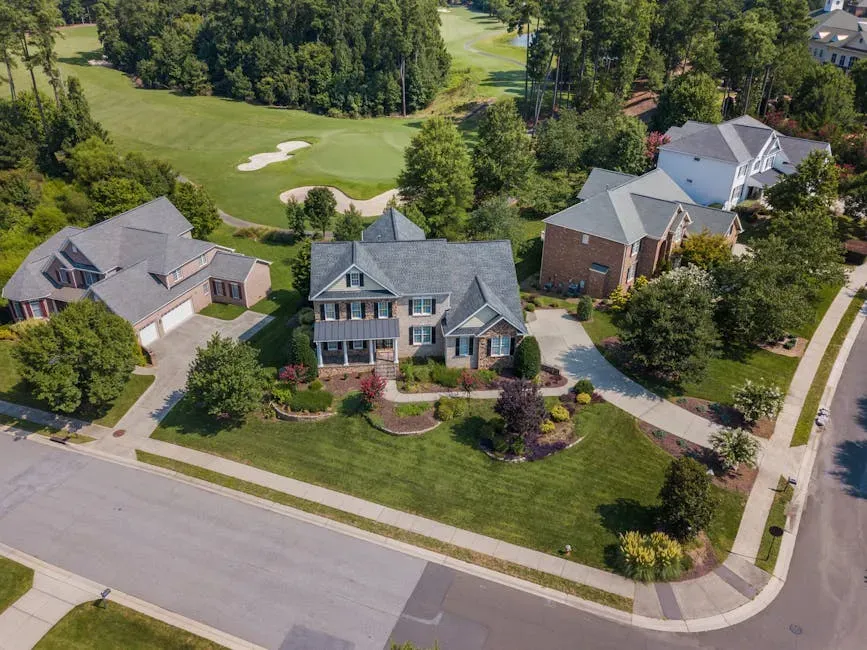
Nearly forty nine percent of remote workers planning to move preferred suburban or smaller communities, while fewer chose dense urban centers. Micro-cities stand out because they deliver suburban space with urban style amenities like independent restaurants and art galleries. Residents enjoy shorter lines at the grocery store and easier parking without giving up access to weekend festivals or live music. The preference shows in how quickly homes sell in these areas once listed. Families appreciate the room for kids to play outside while still having neighbors close enough for playdates. This balance attracts people tired of long drives to reach basic services in traditional suburbs. The appeal grows stronger when costs stay lower than in big city outskirts. Many newcomers say they feel they finally found the right mix after years of compromise.
Local economies gain when new arrivals open small businesses or support existing ones through regular spending. Zillow related migration research reported a fourteen percent increase in relocations to smaller cities and suburban areas during the remote work era. This growth creates jobs in construction, retail, and hospitality that keep the cycle going. People often highlight the safety and community feel that comes with knowing local shop owners by name. The move also reduces daily stress from traffic and noise that many associate with larger suburbs. Young professionals find it easier to build networks in these tighter knit places. The trend keeps building as word spreads through social media and personal stories. It points to a broader rethinking of what makes a place worth calling home.
Housing Market Shifts in Micro-Cities
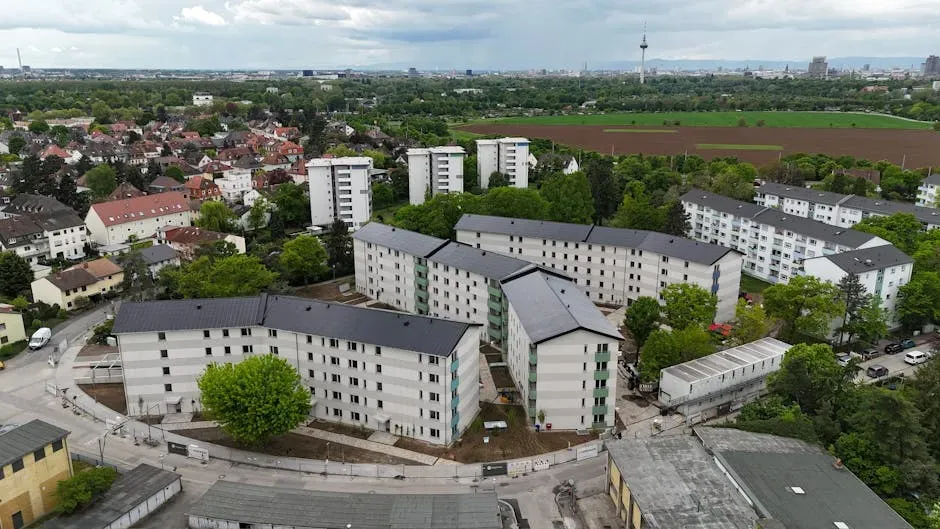
Prices have climbed in many smaller cities as demand outpaces supply in desirable neighborhoods. Housing prices in many rural and small city counties increased dramatically between twenty nineteen and twenty twenty five, with some regions recording more than seventy percent growth in home prices due to migration demand. Buyers now compete for homes with yards and updated kitchens that once sat on the market for months. Sellers benefit from quick closings and multiple offers in the most popular micro-cities. The changes bring both opportunities and adjustments for long time residents who see their property values rise. New construction focuses on mixed use buildings that blend homes with shops to maintain walkability. This keeps the character intact while adding needed inventory. The market stays active because remote workers continue arriving throughout the year.
Real estate agents report that buyers prioritize features like high speed internet and home offices over luxury finishes. Smaller cities and suburban regions experienced increased housing demand because remote workers wanted larger homes, lower costs, and improved quality of life. This demand spreads to surrounding towns as people look for the next affordable spot. Communities respond by updating zoning rules to allow more accessory dwelling units and townhomes. The result is steady growth without the sprawl seen in older suburbs. Families find they can afford more square footage for the same budget they once spent on smaller city apartments. The pattern supports local tax bases that fund better schools and roads. It creates a positive loop that draws even more interest over time.
Who Leads the Migration Wave
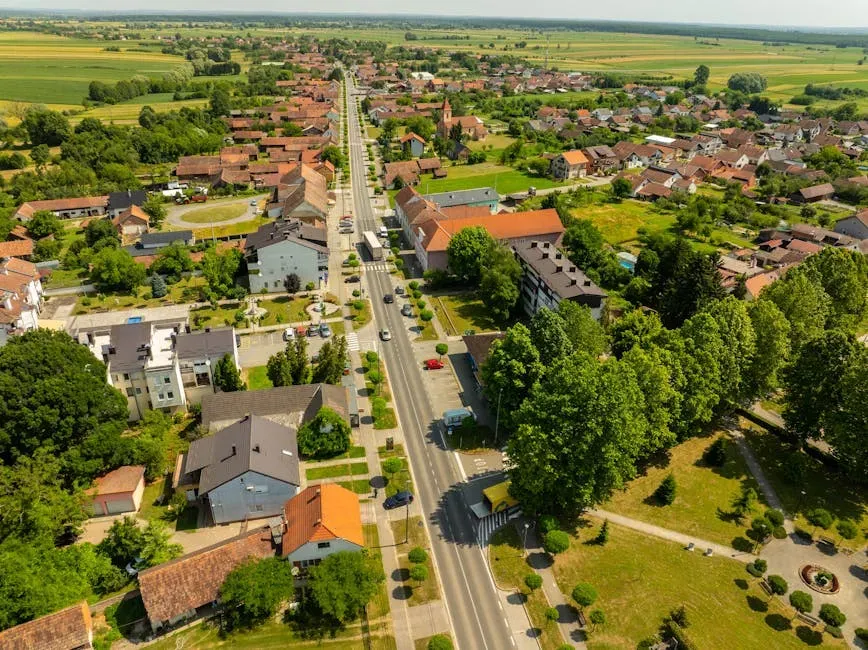
Young adults between ages twenty five and forty four are moving to small towns and smaller cities at the highest rate in nearly a decade, reversing previous migration trends toward large metros. These workers often bring families or plan to start them soon, seeking space and safety. Professionals in their thirties value the chance to buy homes earlier than they could in big cities. The group includes teachers, engineers, and creatives who can work from anywhere with reliable connections. Many cite the desire for outdoor activities and community involvement as key reasons. The shift shows up in school enrollments that rise in micro-cities while holding steady or dropping in some urban districts. This demographic change brings fresh ideas and volunteer energy to local groups. It also supports businesses that cater to younger households.
Older remote workers join the trend too, though at lower rates, drawn by lower taxes and healthcare access in smaller settings. Research from twenty twenty five found a clear increase in migration from major urban cores toward smaller cities and lower density regions across the United States. The mix of ages creates vibrant neighborhoods where different generations interact daily. People describe feeling part of something growing rather than settled into routine. The movement stays broad because it crosses income levels and job types. Communities welcome the diversity that comes with these arrivals. The pattern looks set to continue as more workers gain experience with location independent careers. It reshapes the makeup of these micro-cities in lasting ways.
Quality of Life Gains in Smaller Settings

Daily life changes in noticeable ways once people settle into micro-cities. Commutes shrink to minutes instead of hours, freeing time for exercise or meals together. Residents enjoy cleaner air and quieter nights that improve sleep and mood. Local events like farmers markets or concerts become regular parts of the calendar rather than special trips. Families report stronger connections with neighbors through block parties and shared projects. The gains add up to lower stress levels and higher satisfaction with where they live. Rural and smaller communities that previously experienced population decline began seeing net population growth for the first time in years after the rise of remote work. This growth supports new services like expanded transit or youth programs.
Health benefits appear when people walk more and drive less in compact downtowns. Studies show that remote work has become a long term structural shift rather than a temporary pandemic trend, continuing to influence housing and migration patterns in twenty twenty five and twenty twenty six. The lifestyle supports hobbies that were hard to maintain in busier suburbs. Children gain access to nature and community activities that build confidence. Adults find time for volunteering or side projects that enrich their days. The overall effect feels like reclaiming hours that once disappeared in traffic. Communities thrive when residents have energy left for local involvement. The improvements keep attracting new arrivals who seek the same balance.
Challenges That Come With the Move
Not every aspect of the shift runs smoothly for newcomers. Some micro-cities face growing pains like rising rents that affect long time residents on fixed incomes. Internet speeds vary in outlying areas, which can frustrate workers during video calls. Limited public transit means cars remain essential for most daily needs. Schools sometimes struggle to expand quickly enough for incoming families. These issues require planning and patience from those who relocate. Local governments work on solutions such as broadband grants and new bus routes. The challenges stay manageable in places that prepare ahead.
Job opportunities outside remote work can feel limited compared to big metros. Around twenty percent of remote workers planned to relocate in twenty twenty five, yet some return when they miss certain urban services. Housing inventory can run low during peak seasons, pushing buyers to nearby towns. Cultural adjustments take time as people learn local customs and rhythms. Still, many find the trade offs worthwhile once they settle in. Communities address concerns through town meetings and feedback programs. The process builds stronger ties between old and new residents. It keeps the growth sustainable over the long term.
What Comes Next for This Trend

The movement toward micro-cities looks likely to continue as work patterns stay flexible. More places will invest in amenities that appeal to remote workers and families. Population gains in smaller regions will support better infrastructure and services. Young adults between ages twenty five and forty four will keep leading the way with their preferences for balanced living. Housing markets will adjust with new builds that fit the scale of these communities. The American dream keeps evolving to match what people value most today. Rural and smaller communities that previously experienced population decline began seeing net population growth for the first time in years after the rise of remote work. This cycle brings fresh opportunities to places once overlooked.
People who make the change often encourage others to visit first and test the fit. The trend reflects a broader desire for connection and space that traditional suburbs no longer deliver alone. Studies show that remote work has become a long term structural shift rather than a temporary pandemic trend, continuing to influence housing and migration patterns in twenty twenty five and twenty twenty six. Future years may see even more micro-cities emerge as success stories spread. The shift stays grounded in practical choices rather than fleeting trends. It points to lasting changes in how Americans define a good place to live. The story continues to unfold with each new arrival who finds their fit.