Perfect Fonts Are Boring – Kyoto Proves the Point (Image Credits: Unsplash)
Fast Company recently unveiled its Spring 2026 issue, spotlighting innovative minds in business and design. Creative director Mike Schnaidt selected the Kyoto typeface as the star font, drawn to its distinctive handmade quality.[1] This choice underscores a growing appreciation for typefaces that prioritize human imperfection over sterile precision in editorial design.
Perfect Fonts Are Boring – Kyoto Proves the Point
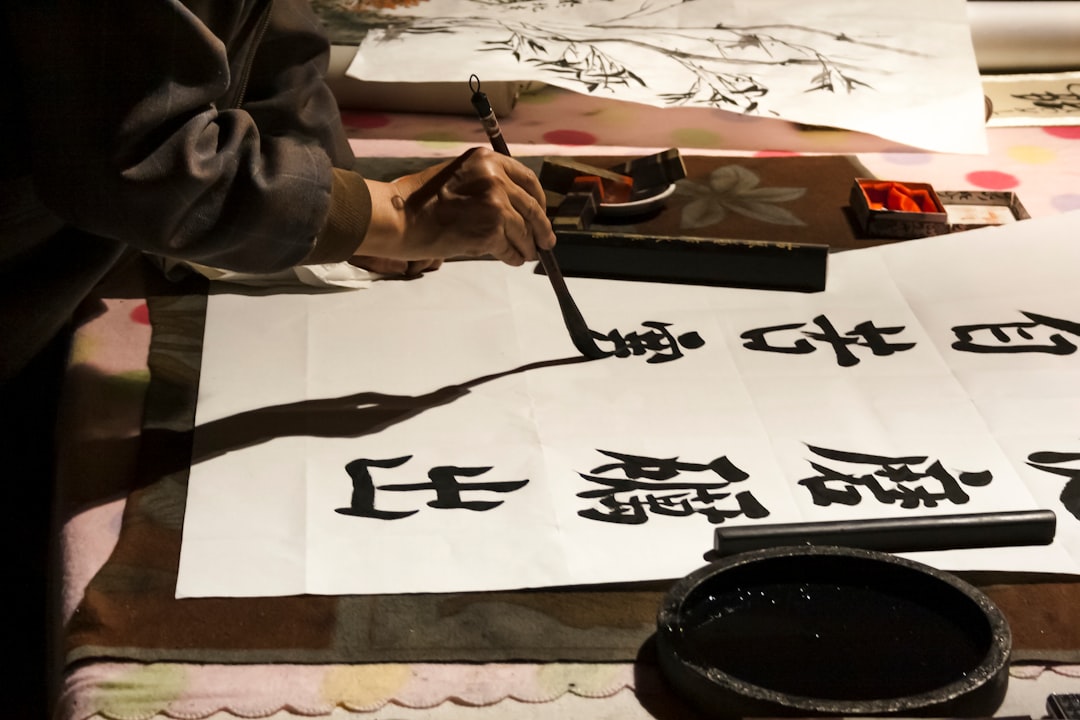
Mike Schnaidt, Fast Company’s creative director, opted for Kyoto to infuse the publication’s pages with a tangible sense of artistry. The typeface stands out through its intentional “bleeding” effect, mimicking the organic flow of ink in traditional calligraphy.[1] This deliberate design choice captures attention in an era dominated by flawless digital renders.
Part of the acclaimed “It’s All in the Typeface” video series, the Kyoto episode highlights how such fonts elevate print media. The series itself earned a nomination at the 30th Annual Webby Awards, recognizing its insightful dives into typography. Schnaidt emphasized the font’s role in reflecting exploration and human effort throughout the issue.
Bridging Japanese Calligraphy and Latin Elegance
Kyoto masterfully merges Eastern and Western typographic traditions. It draws from Japanese calligraphy to create fluid, expressive forms while adhering to classic Latin structures for readability.[1] This fusion results in a slab serif that feels both bold and refined.
The typeface features elegant teardrop terminals that evoke ink bleeding on rice paper, adding a layer of authenticity. Designers praise its versatility for bilingual projects, supporting full Latin characters alongside hiragana and katakana.[3] Such capabilities make it ideal for global business publications like Fast Company.
A Design Born from Trial and Persistence
The development of Kyoto stemmed from extensive experimentation. Creators shaped it through repeated iterations, balancing modernity with cultural heritage.[4] This process mirrors the exploratory spirit Schnaidt sought for the Spring 2026 issue.
- Nine weights ranging from Thin to Heavy, each with matching italics.
- Comprehensive OpenType features for professional typesetting.
- Optimized for headlines, branding, and editorial layouts.
- Robust glyph support for multilingual text.
- Slab serifs with subtle imperfections for a human touch.
These elements position Kyoto as more than a font – it’s a statement on craftsmanship in digital times.
Why Businesses Are Turning to Expressive Typefaces
In the competitive landscape of media, typefaces like Kyoto help brands convey personality. Fast Company’s selection signals a shift toward designs that prioritize emotional resonance over uniformity.[1] Publications increasingly use such fonts to differentiate issues and engage readers visually.
The “It’s All in the Typeface” series has chronicled similar choices, from tech-inspired serifs to retro revivals. Kyoto fits this narrative, enhancing stories on innovation with its own innovative form.[5]
| Feature | Description |
|---|---|
| Weights | 9 (Thin to Heavy) + Italics |
| Character Sets | Latin, Hiragana, Katakana |
| Style | Slab Serif with Teardrop Details |
| Best For | Headlines, Bilingual Editorial |
Key Takeaways
- Kyoto’s bleeding effect and calligraphy influences deliver a uniquely human feel in print.[1]
- Mike Schnaidt chose it to embody exploration in Fast Company’s Spring 2026 issue.
- With broad language support, it suits modern global business communication.
Fast Company’s embrace of Kyoto reminds designers that true innovation often lies in embracing imperfection. This typeface not only adorns the pages but also inspires a deeper connection between reader and content. What role do you think expressive typefaces play in today’s business media? Tell us in the comments.