

Skyrocketing Insurance Premiums Hit Hard

Homeowners insurance has climbed sharply in recent years, with average costs rising more than 24 percent between 2021 and 2024 in many areas. For a large McMansion, that jump can add thousands of dollars annually, especially in states prone to storms or wildfires. Retirees on fixed budgets feel the pinch first because they lack the income growth to absorb these increases.
Some regions saw even steeper rises, topping 50 percent in places like Illinois. A 2026 report from Zillow highlighted how these premiums turn oversized homes into ongoing liabilities rather than assets. Owners often discover that shopping around or raising deductibles only goes so far when the base rates keep climbing.
Property Taxes Keep Climbing Steadily

Property tax bills have increased by more than 27 percent since 2019 across much of the country, according to CoreLogic data. Large homes with bigger assessed values bear the brunt of these hikes, pushing annual payments well beyond what many retirees planned for during their working years. Local governments often raise rates to cover rising service costs, leaving homeowners with little recourse.
In 2024, the median percentage of income spent on housing costs for mortgaged owners reached 21.4 percent. Retirees who own outright still face these tax burdens without the buffer of a paycheck. Many now find themselves trimming other expenses just to stay current on their tax obligations.
Energy Bills Add Up Quickly in Big Spaces
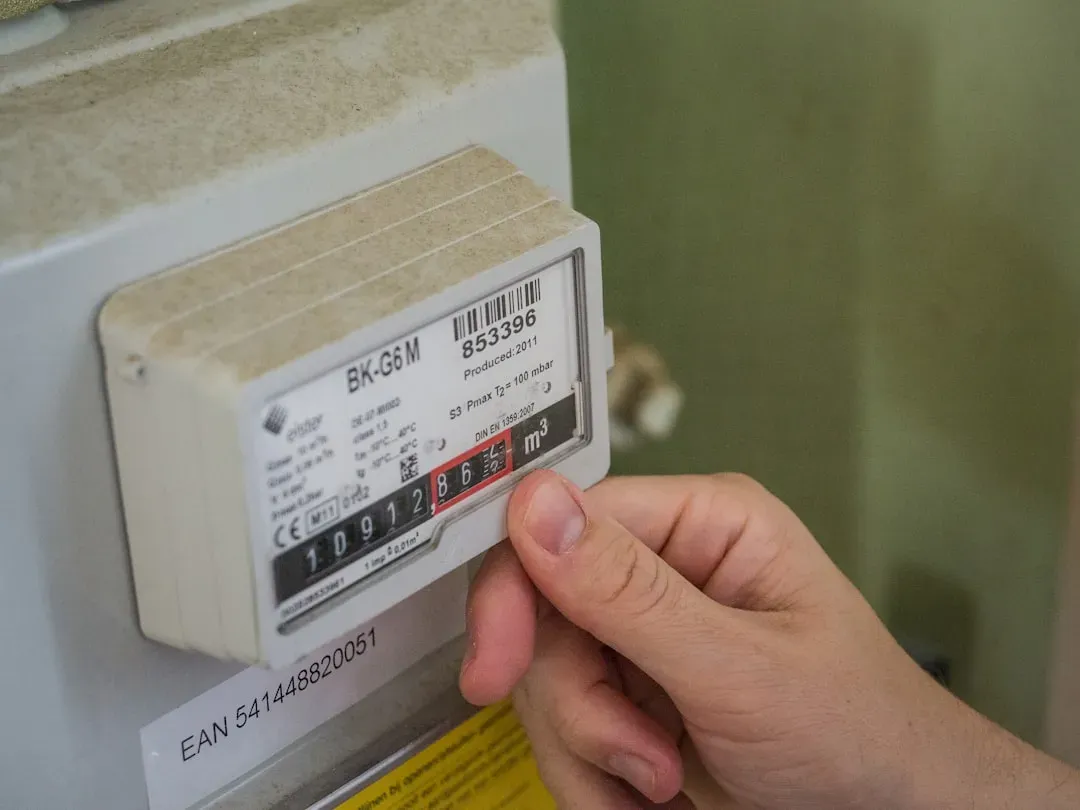
Heating and cooling a 4,000 or 5,000 square foot home costs far more than a modest residence, especially as utility rates rise. Older McMansions often lack modern insulation or efficient systems, driving up monthly electric and gas charges. Retirees report spending hundreds extra each month compared to smaller homes in the same neighborhood.
A Realtor.com study released in 2026 found that owners of newer, efficient homes save an average of $25,335 over ten years on energy and maintenance alone. For those stuck in older large properties, the gap widens every year. Simple upgrades like better windows help only modestly when the overall square footage remains so high.
Maintenance and Repairs Become Constant Drains

Annual maintenance for a large home can easily reach $10,000 or more, according to Zillow and Thumbtack research from 2025. Roofs, HVAC systems, and plumbing in bigger structures require more frequent attention and costlier fixes. Retirees often face surprise bills that eat into savings meant for travel or healthcare.
Experts recommend budgeting 1 to 2 percent of home value each year, yet many large-home owners exceed that figure regularly. Aging construction in McMansions from the early 2000s adds to the problem, with poor materials wearing out faster than expected. The result is a steady stream of projects that never seem to end.
Finding Buyers Gets Tougher Over Time

Younger buyers increasingly prefer smaller, efficient homes over sprawling McMansions, according to 2026 Zillow analysis. This shift leaves many retirees with properties that sit on the market longer when they finally decide to sell. Lower demand means accepting reduced offers or making expensive updates just to attract interest.
High mortgage rates above 7 percent in early 2025 further cooled the market for oversized homes. Retirees who counted on home equity for retirement income now see slower appreciation and harder sales. The once-reliable path of selling and downsizing has grown more complicated.
Fixed Incomes Struggle to Cover Everything

The average retiree household spends roughly $60,000 a year, with housing taking up about one third of that total. When a large home pushes those housing costs higher through taxes, insurance, and utilities, other parts of the budget suffer. Many retirees report cutting back on dining out, hobbies, or even medical care to keep up.
Studies from 2025 show that housing costs have pressured some older adults to delay full retirement. Those who stay in their big homes longer often work part time just to manage the expenses. The gap between expected and actual retirement spending continues to widen for this group.
Mobility Issues Make Large Homes Impractical

Stairs, wide layouts, and distant rooms become daily challenges as retirees age and mobility changes. What once felt like luxurious space now requires extra effort or hired help for cleaning and upkeep. Many owners realize too late that their home no longer matches their physical needs.
Adapting a large property with ramps or elevators adds significant expense without guaranteeing long-term comfort. Smaller homes with single-level designs often prove easier and cheaper to maintain in later years. The mismatch between house size and lifestyle grows more obvious with each passing year.
Opportunity Costs Mount While Staying Put
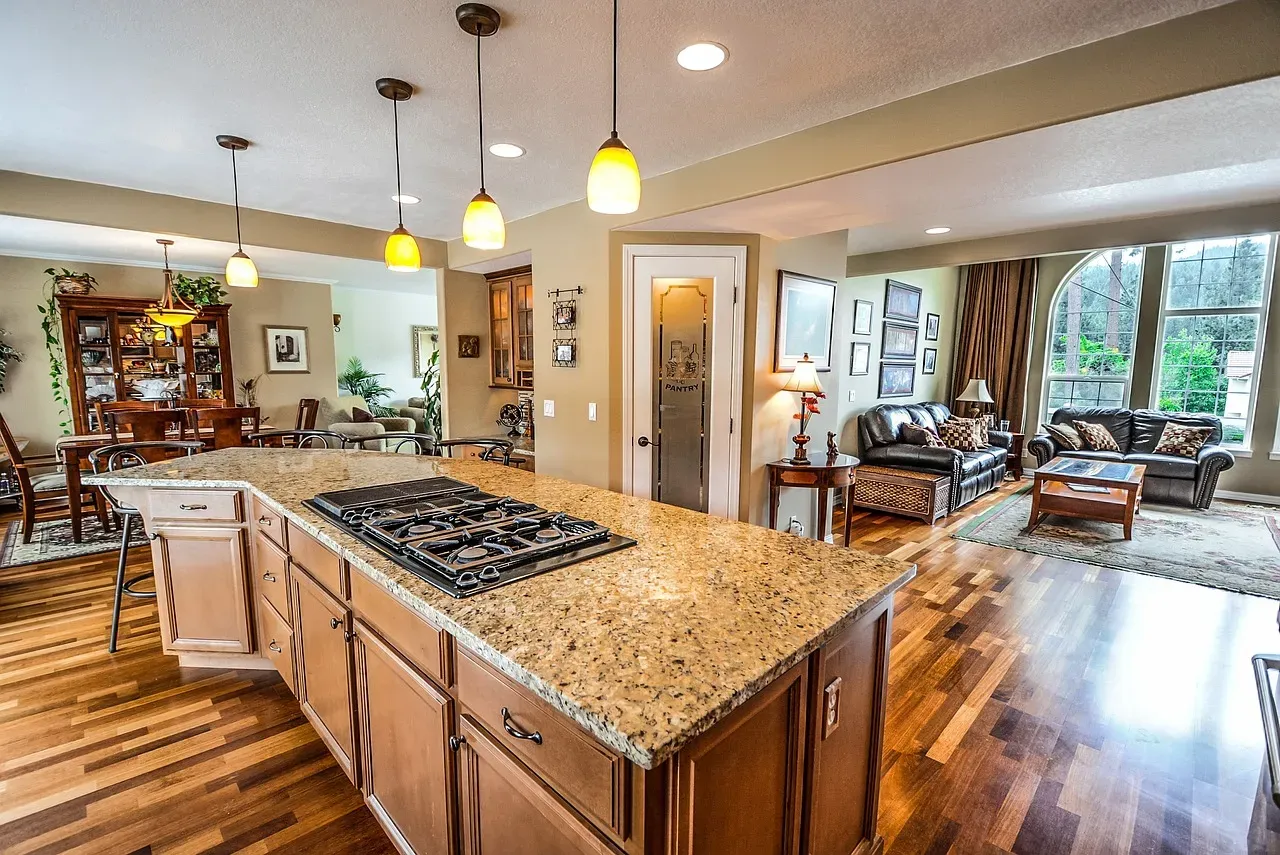
Money tied up in a large home could otherwise fund travel, investments, or gifts to family. Retirees who remain in oversized properties often miss chances to simplify and redirect funds toward experiences they value more. The emotional attachment to space sometimes outweighs the financial trade-offs.
Downsizing frees up equity that can generate income through conservative investments or annuities. Those who delay this step watch potential returns slip away year after year. The true cost includes not just bills but also the lifestyle adjustments that never happen.
Market Trends Favor Smaller, Efficient Homes
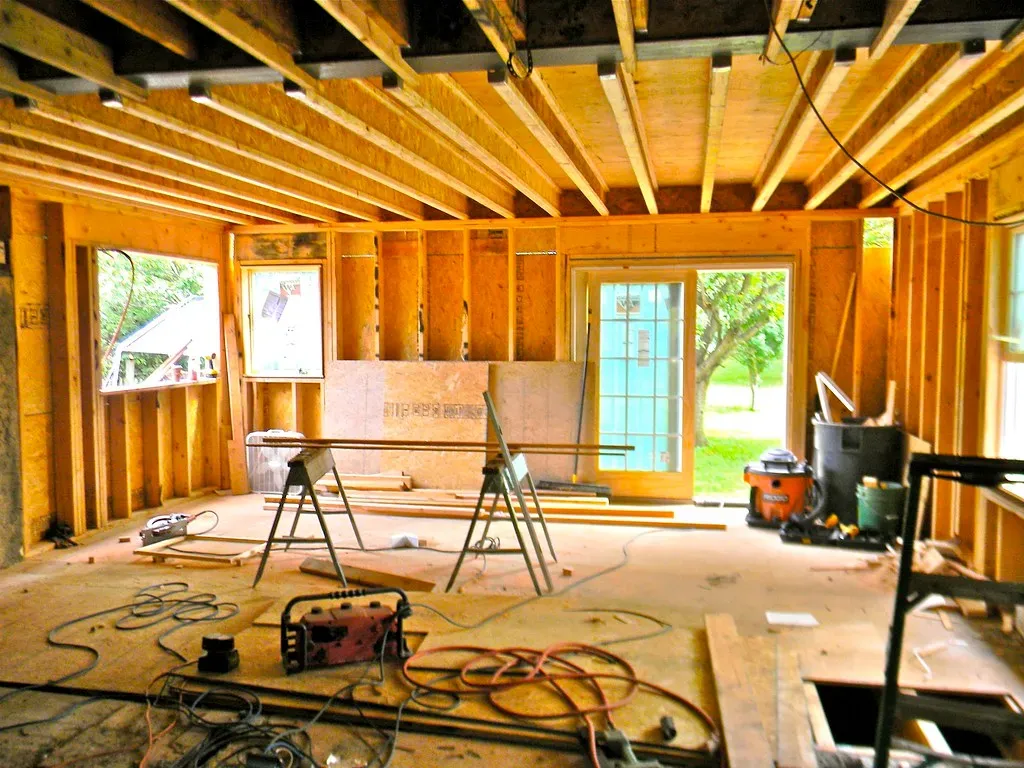
Recent data shows buyers moving away from “wasted scale” toward high-efficiency sanctuaries that cost less to run. McMansions built during the mid-2000s boom now compete against newer construction with better energy ratings and lower upkeep. This preference shift affects resale values in many suburban neighborhoods.
Redfin figures from 2024 placed the median U.S. home price near $413,000, yet large older homes often require discounts to sell. Retirees hoping to cash out find the market less forgiving than it was a decade ago. The era of easy appreciation for oversized properties appears to be fading.
Long-Term Strain Affects Overall Retirement Security
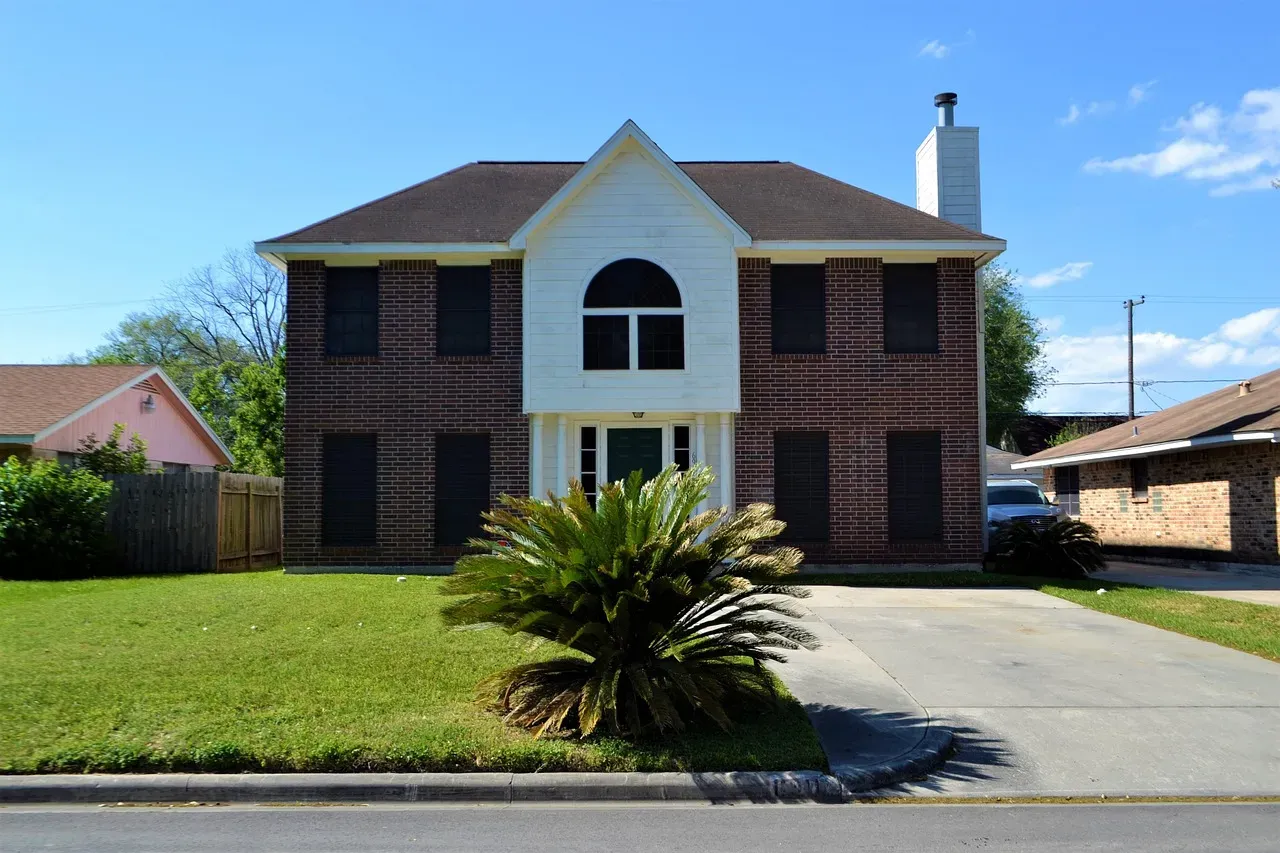
Continued high housing costs can deplete savings faster than planned, leaving less buffer for healthcare or unexpected needs. Retirees who carry these burdens into their 80s and beyond face greater risk of financial insecurity. The cumulative effect turns what seemed like a solid asset into a source of ongoing stress.
Many now weigh the benefits of staying against the peace of mind that comes from a smaller, more manageable home. Those who make the change often report lower monthly outlays and greater flexibility in how they spend their time. The decision ultimately comes down to matching the house to the realities of retirement rather than holding on to past expectations.