
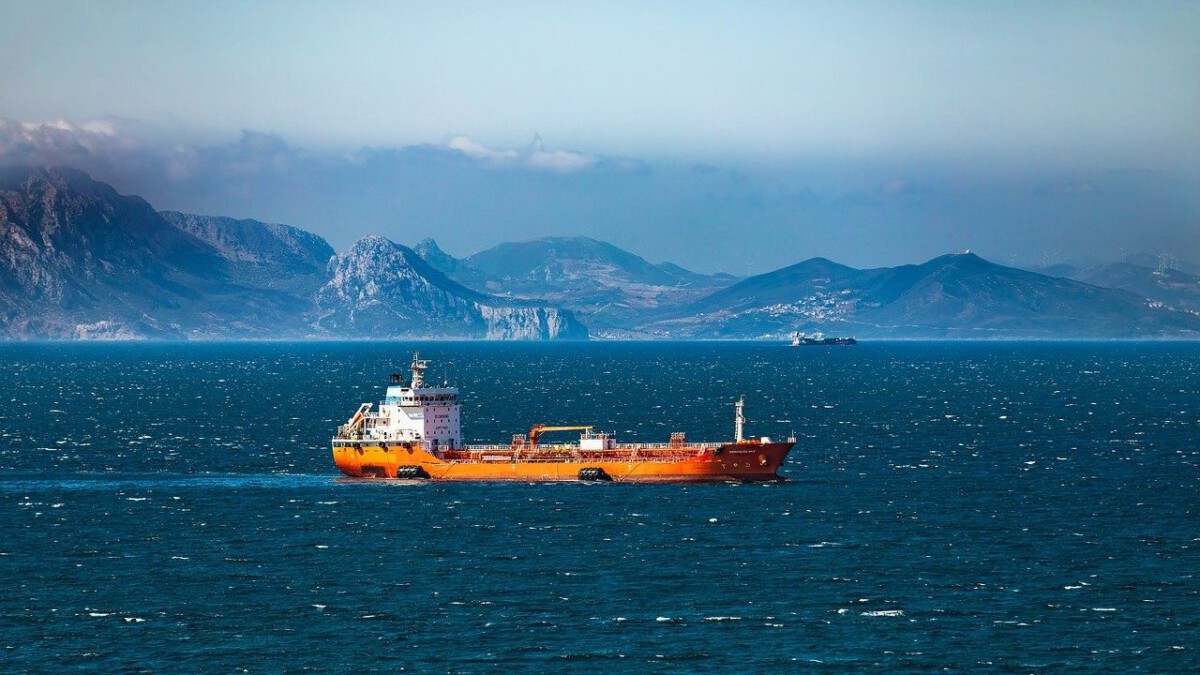
Is Pakistan’s grey gamble sinking in the Strait? – Image for illustrative purposes only (Image credits: Pixabay)
Recent developments in the Persian Gulf have placed renewed pressure on Pakistan’s efforts to secure reliable oil shipments through the Strait of Hormuz. A series of diplomatic agreements and practical transits have unfolded against a backdrop of heightened regional tensions involving the United States and Iran. These moves reflect Islamabad’s attempt to address ongoing energy shortages while navigating complex international dynamics.
Diplomatic Breakthroughs and Initial Successes
Pakistan reached an arrangement with Iran earlier this year that permitted up to 20 Pakistani-flagged vessels to pass through the strait. Officials described the deal as a practical step to ease fuel shortages that have strained the economy. Two ships were expected to cross daily under the terms, providing a predictable flow of crude imports.
The agreement came after months of negotiations and followed approvals for specific routes. Early transits demonstrated that the arrangement could function despite broader restrictions in the waterway. Ship tracking data confirmed several successful passages in the weeks following the announcement.
Impact of Recent Blockades and Reversals
Tensions escalated when the United States imposed restrictions on traffic through the strait in late February. Traffic volumes dropped sharply, with most days seeing only single-digit transits. Several tankers, including Pakistani-flagged vessels, reversed course before completing their journeys.
One notable case involved the Shalamar, which turned back near the entrance to the strait in mid-April. The vessel had been heading toward loading facilities in the United Arab Emirates but altered its path after talks between the United States and Iran concluded without resolution. Similar reversals affected other carriers bound for regional ports.
Signs of Resilience in Recent Transits
Despite the challenges, at least one Pakistani-flagged tanker completed a full round trip in April. The Shalamar loaded approximately 450,000 barrels of crude at Das Island and exited the strait toward Karachi. This marked the first such exit with cargo since the blockade began, according to vessel tracking reports.
The limited success highlighted both the potential and the fragility of the transit route. Volumes remain far below normal levels, and operators continue to monitor developments closely. Energy analysts note that sustained access will depend on further diplomatic progress and stable conditions in the waterway.
Broader Implications for Energy Security
Pakistan’s reliance on these transits underscores the country’s vulnerability to disruptions in global shipping lanes. The strait remains a critical chokepoint for oil supplies, and any prolonged restrictions could intensify domestic fuel shortages. Government statements have emphasized the need for diversified import options while pursuing additional agreements with regional partners.
Observers expect continued monitoring of tanker movements in the coming weeks. The outcome of ongoing talks between key players will likely determine whether Pakistan can expand its current transit arrangements or must seek alternative supply routes.